Rhine Low Water Levels Expose Fragility in European Industrial Supply Chains
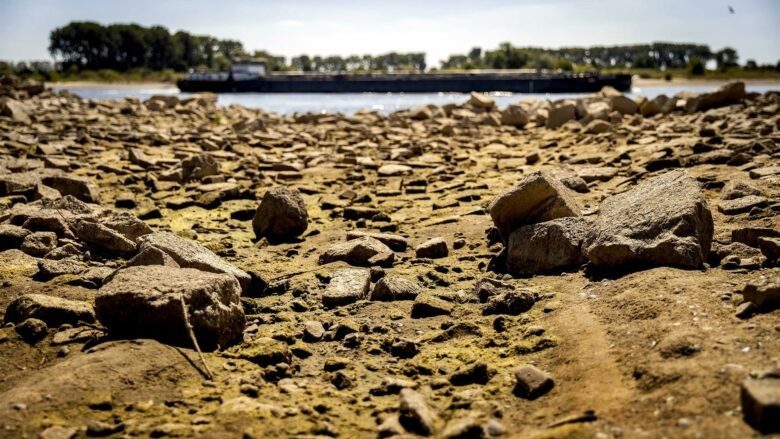
Persistently low water levels on the Rhine are severely restricting barge cargo capacity, exposing the fragility of Europe’s industrial supply chains and driving up freight costs amid already weak manufacturing demand.
Persistently low water levels at the Kaub chokepoint on the Rhine river are severely restricting barge cargo capacity across Europe’s primary industrial corridor. Although water levels have recovered slightly from mid-August record lows, they remain well below the benchmark required for normal commercial traffic.
This bottleneck is forcing barges to carry drastically reduced loads, fragmenting the market between the Amsterdam-Rotterdam-Antwerp hub and industrial centers in southern Germany, eastern France, and Switzerland. Consequently, freight rates have surged, with the assessed ARA-Karlsruhe barge rate rising five-fold to €215 per tonne from €45 per tonne at the end of June.
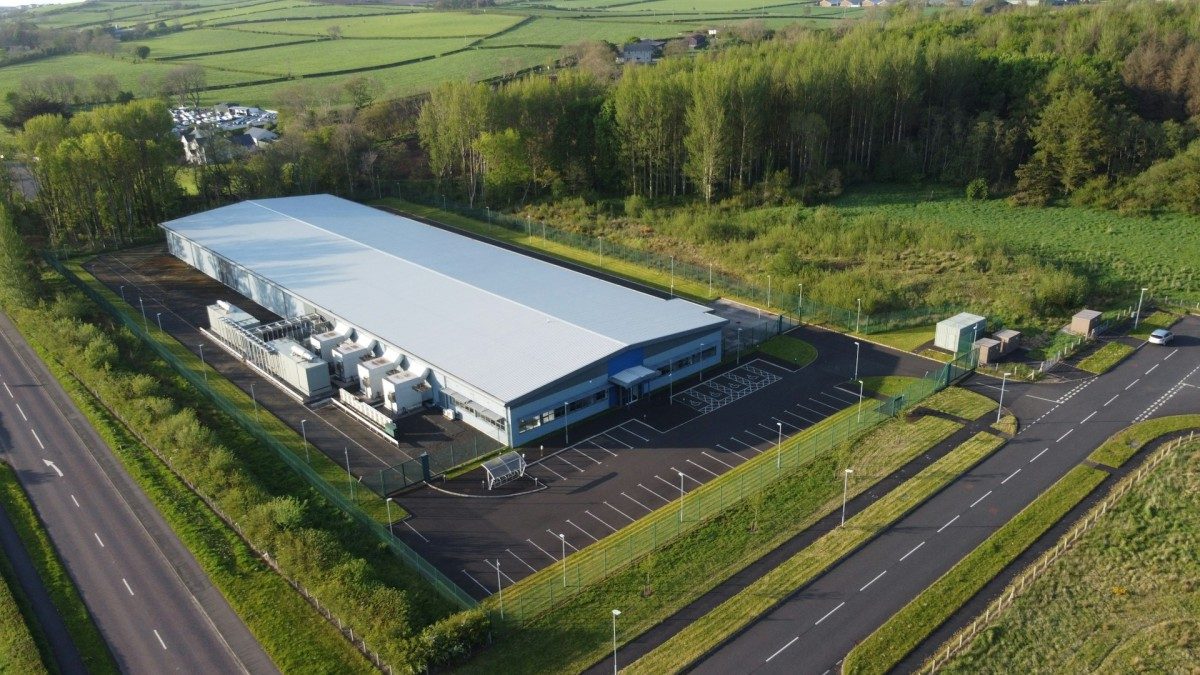
The chemical sector is absorbing the initial shock of these transport constraints. Major operators including BASF, INEOS, LyondellBasell, and Shell hold approximately 3.1 million tonnes per year of combined ethylene capacity along this corridor. BASF’s Ludwigshafen complex is particularly vulnerable, as it relies on the river to move 40 percent of its incoming and outgoing goods.
While naphtha feedstock arrives via pipeline, finished chemical products cannot easily exit, leading to filled storage and curbed production runs. LyondellBasell recently declared force majeure at its 170,000 tonnes per year Wesseling butadiene unit following restricted feedstock flows and declining crude C4 production.
Refining operations face similar logistical traps. The 320,000 barrel per day Miro refinery in Karlsruhe is relying on road trucks to move fuel, forcing the site to hold surplus refined products while distant markets pay shortage premiums. This physical imbalance contributed to Amsterdam-Rotterdam-Antwerp naphtha inventories reaching 598,000 tonnes in mid-August, a 75 percent increase from the previous month.
Crucially, these localized shortages have not triggered a broader systemic crisis only because European industrial demand is already depressed. Chemical crackers were operating at roughly 70 percent capacity in July due to expensive energy, weak construction and automotive demand, and competition from Asian imports.
Road and rail networks cannot adequately substitute for high-volume river transport. A single fully loaded barge carrying 2,400 tonnes of diesel equals the capacity of 90 trucks, and alternative transport modes are quickly overwhelmed by competing industrial workarounds. For instance, Covestro declared force majeure on polyether polyols at Dormagen, and Salzgitter shifted coal shipments to rail for its HKM steelmaking division.
This fragile equilibrium leaves European markets highly exposed to any uptick in economic activity. A recovery in manufacturing, increased diesel demand, or winter stockpiling would intensify the disruption, as the current logistics network cannot handle normal volumes.
Furthermore, this year’s conditions may not represent the worst-case scenario. A potential super El Niño could reduce Alpine snowpack and meltwater buffers, raising the risk that Rhine water levels in the summer of 2027 could fall below this year’s records.