US Imposes 50% Tariffs on $20 Billion of Canadian Goods as Trade Talks Collapse
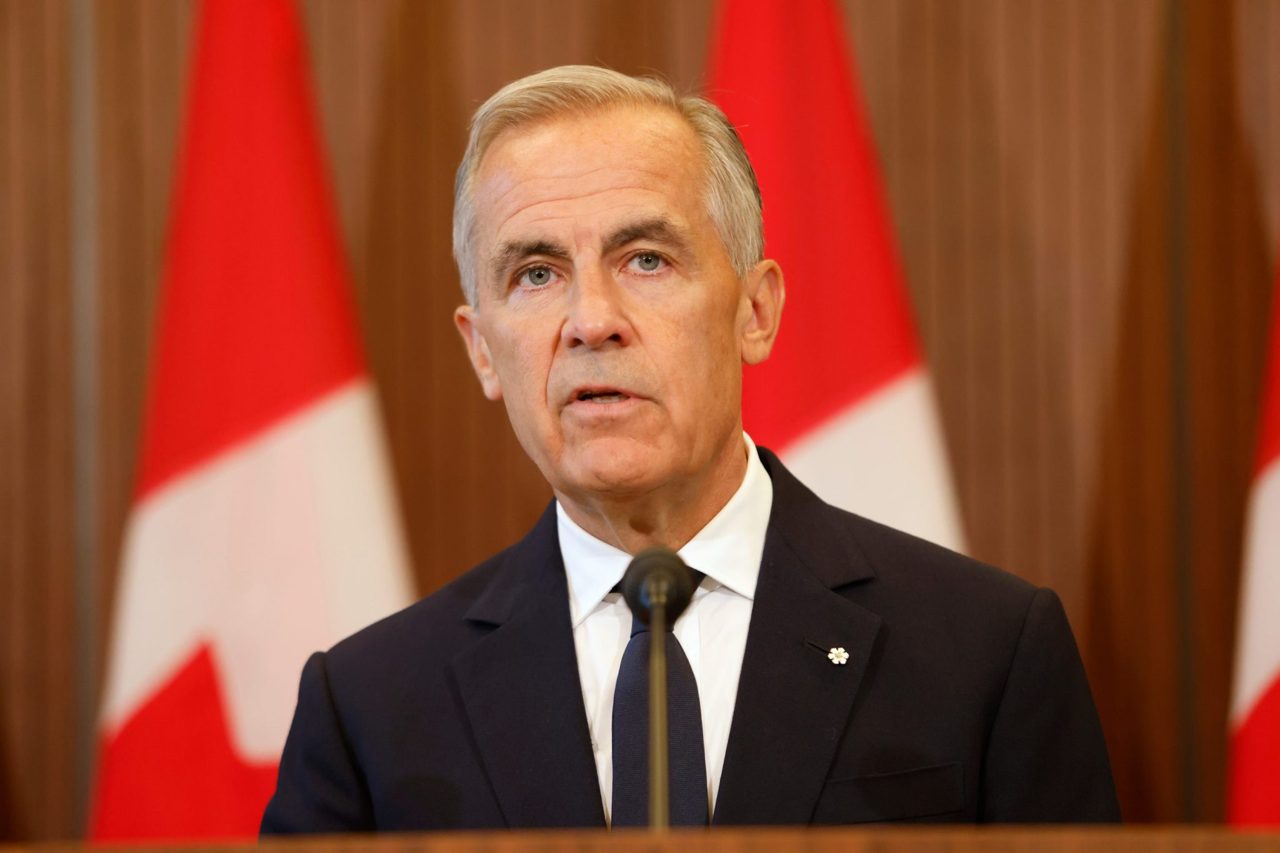
The collapse of bilateral trade negotiations has triggered a 50 percent US tariff on $20 billion of Canadian goods, threatening supply chains and the broader North American trade framework.
The United States has imposed 50 percent tariffs on $20 billion worth of Canadian goods following the collapse of trade negotiations in Washington late Friday. In response, Canada has scheduled retaliatory penalties to begin on September 8, targeting sectors exposed to the new American duties.
The new US import taxes affect approximately 5 percent of Canada’s annual shipments to the United States, covering products ranging from hockey sticks to tongue depressors. Prime Minister Mark Carney stated Ottawa will deploy targeted tariff protection for Canadian steel, dairy, appliances, agricultural equipment, pulp and paper, and electronics.
Both governments blamed each other for the failed talks. Carney accused Washington of adding last-minute demands that would restrict Canada’s ability to strike independent trade deals and weaken cultural sovereignty, describing the US approach as using economic integration as a weapon.
US chief trade negotiator Jamieson Greer countered that the administration was compelled to act after a year of Canadian retaliation. Greer stated the US had offered favorable terms to cut tariffs on steel, autos, and lumber, but claimed Ottawa rejected the proposal to protect American workers and supply chains.
The escalation carries profound implications for cross-border commerce, with the two nations exchanging $880 billion in goods and services last year. To bypass a February Supreme Court ruling that struck down his earlier tariff program, President Donald Trump invoked Section 338 of the Tariff Act of 1930.
This Depression-era provision allows tariffs of up to 50 percent against countries deemed to discriminate against US businesses, though it has never been used to impose such penalties before. The move signals a stark departure from decades of cooperative trade relations along the undefended border.
Market professionals and corporate leaders are warning of immediate economic fallout. Joshua Bolten, CEO of the Business Roundtable, cautioned that the reciprocal tariffs risk raising costs for American businesses and families while disrupting vital supply chains.
With 72 percent of Canada’s goods exports directed to the United States last year, the pressure on both economies is mounting. Ryan Majerus, a partner at King & Spalding and former US trade official, noted that both sides will face immense pressure to find an off-ramp before consumer prices rise further.
The dispute also casts doubt on the future of the US-Mexico-Canada Agreement. While the United States has initiated formal talks with Mexico to revamp the pact, negotiations with Canada have not begun, leaving a crucial trilateral trade framework in jeopardy.