GE Vernova gas turbine backlog extends to 2031 amid AI power shortage
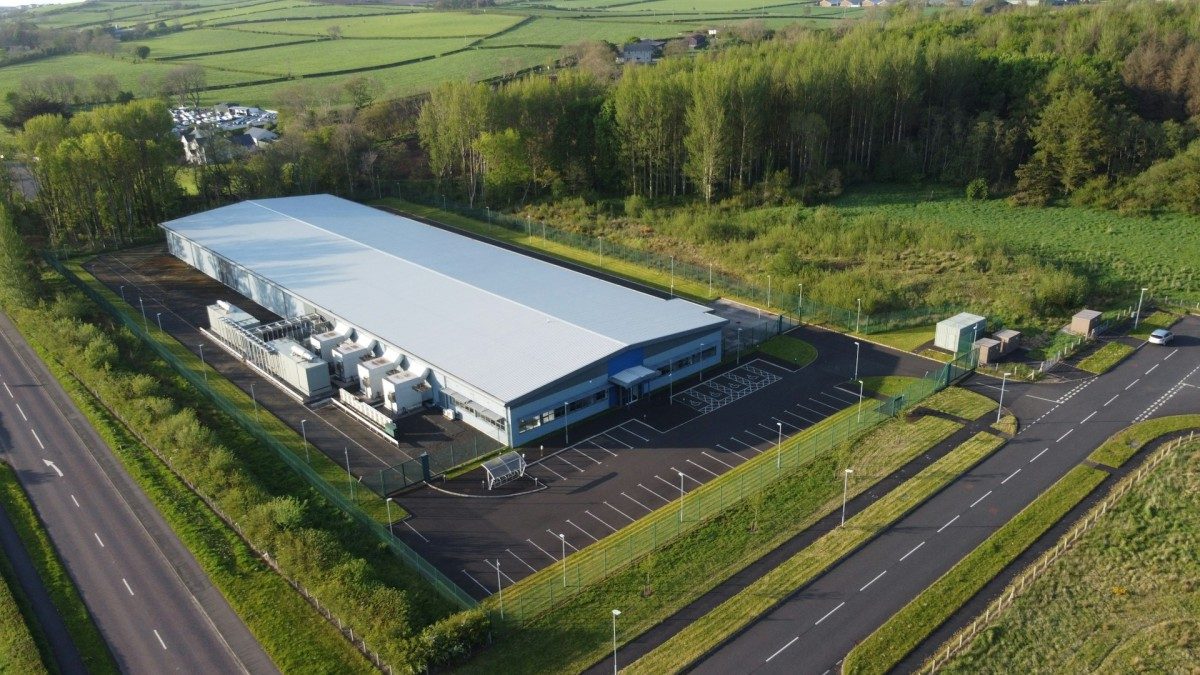
Record orders for heavy-duty gas turbines have pushed delivery schedules into the next decade, creating a severe bottleneck for artificial intelligence data center expansion and driving wholesale power prices to regulatory caps.
GE Vernova is now taking slot reservations for heavy-duty gas turbine deliveries in 2031, confirming that the equipment required to power artificial intelligence data centers is booked solid for the rest of the decade. Chief Executive Scott Strazik noted the company expects to be more than halfway contracted for that year by the end of 2026.
This production schedule highlights a severe disconnect between data center expansion plans and industrial manufacturing capacity. Goldman Sachs projects U.S. data center capacity additions will reach 36.3 gigawatts in 2027, while GE Vernova currently produces only about 20 gigawatts annually across all its global customers.
The supply constraint is evident across the major original equipment manufacturers. Siemens Energy reported a 69-gigawatt firm backlog with lead times exceeding three years, while Mitsubishi Heavy Industries holds a 35-gigawatt large-frame backlog with deliveries scheduled through 2030.
The shortage is already distorting wholesale power markets and project economics. The PJM capacity auction for the 2028 and 2029 delivery year cleared at the regulatory cap of $325 per megawatt-day while still falling nearly 7 gigawatts short of reliability requirements.
Capital costs for new power generation are surging as a result of the hardware bottleneck. BloombergNEF estimates the average combined-cycle project cost reached $2,157 per kilowatt last year, and Wood Mackenzie expects turbine prices alone to jump 195 percent from 2019 levels by the end of 2027.
Equipment manufacturers are capitalizing on the scarcity while protecting themselves from past industry cycles. GE Vernova generated $5.1 billion in second-quarter free cash flow, heavily aided by customer down payments on slot reservations that function as paid options on future production.
However, the actual demand for this power may be lower than initial projections suggest. Exelon recently cut its high-probability data center load forecast by nearly 40 percent to 11 gigawatts, filtering out speculative projects from its interconnection pipeline.
Chief Financial Officer Jeanne Jones explained the shift in strategy, stating, "We now weed out speculative projects, and it gives us proactive insight into what is real." This suggests the physical supply bottleneck may ultimately be matched by a correction in projected demand.