Nigeria growth of 3.87% too slow to sustain economic reforms
Nigeria's recent macroeconomic reforms have stabilized key indicators, but a 3.87% growth rate remains insufficient to build the consumer base needed to sustain those reforms.
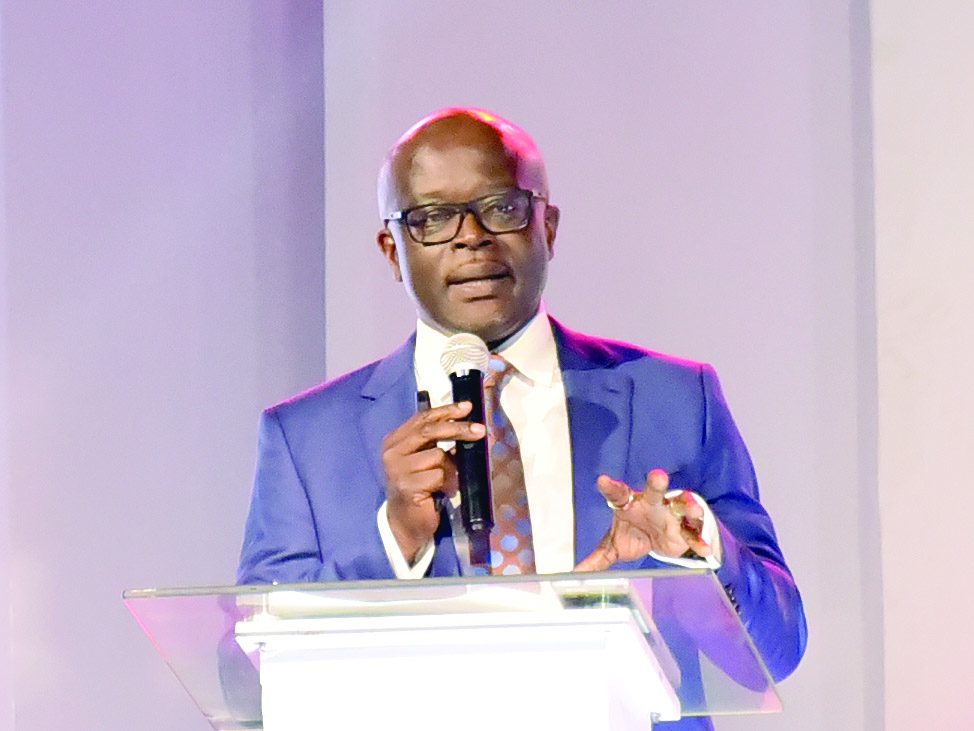
Nigeria's economy is expanding, but not fast enough to support the government's ongoing reform agenda. Speaking at the 14th BusinessDay Annual CEO Forum in Lagos, Tola Adeyemi, CEO of KPMG One Africa, warned that current GDP growth of 3.87% falls short of the 4.2% required to outpace the country's 2.09% population growth.
For investors and corporate executives, this gap represents a structural risk to the domestic market. If economic expansion does not significantly outpace demographics, rising aggregate GDP will fail to translate into increased purchasing power. This ultimately constrains the long-term revenue potential for businesses operating in Africa's most populous nation.
A KPMG illustrative scorecard highlights the depth of this structural challenge. Multidimensional poverty stands at roughly 33% in Nigeria, more than double the 16% average for selected comparator economies. The assessment also found significant deficiencies in critical business enablers, including the proportion of children out of school, electricity access, internet penetration, and access to credit.
These deficits persist despite acknowledged progress in stabilizing the macroeconomic environment. Recent policies aimed at dismantling unsustainable fuel subsidies and consolidating multiple exchange rates have successfully improved external trade balances and restored foreign exchange stability. These foundational fixes have bolstered confidence among foreign investors.
However, executing these adjustments amid security challenges, external headwinds, and institutional weaknesses remains a precarious exercise. Adeyemi compared the current reform process to “flying a plane while attempting to fix the engine”.
Sustaining these macroeconomic gains ultimately requires broader wealth distribution to ensure political and social stability. “Shared prosperity is what helps to make reforms sustainable. Reforms are stronger and more resilient when a large proportion of the population participates in and benefits from them,” Adeyemi said.
To bridge the gap, KPMG urged the government to accelerate high-impact reforms in power, tax, and trade. Reducing bureaucratic bottlenecks across ministries and improving coordination between federal, state, and local governments will be critical. Furthermore, the firm recommended publishing measurable targets to track progress, emphasizing that unlocking Nigeria's market potential requires a collaborative effort between the public sector, private enterprises, and civil society.