India Bans Crew From Hormuz Transits After Fatal Tanker Strike
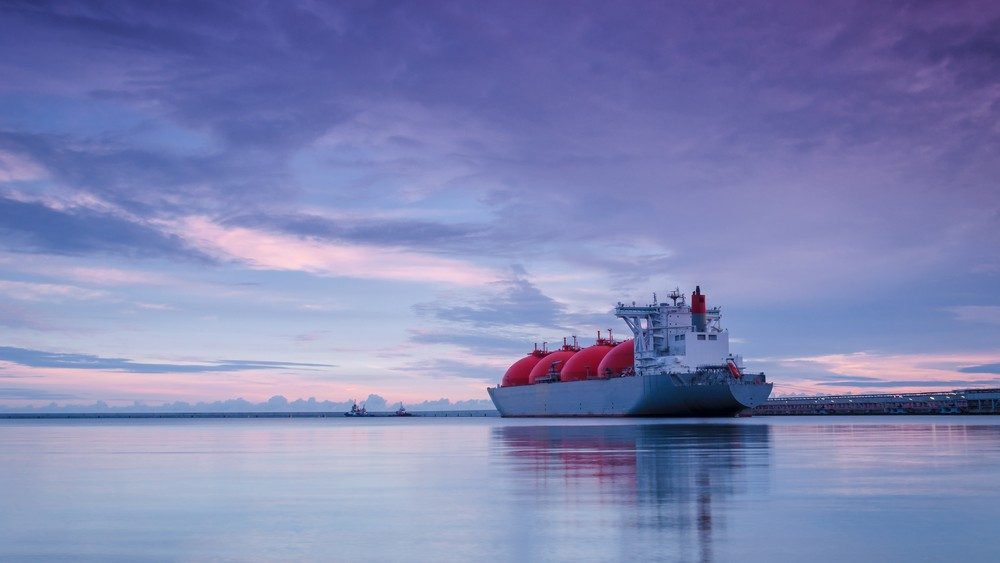
India has barred its seafarers from transiting the Strait of Hormuz following a fatal Iranian attack on oil tankers, a move that threatens to disrupt global crude shipping operations and lift crewing costs.
India’s Directorate General of Maritime Administration has ordered ship owners and managers to stop deploying Indian nationals on vessels transiting the Strait of Hormuz. The late Wednesday advisory, issued until further notice, follows the death of an Indian crew member during an Iranian strike on two UAE-managed oil supertankers earlier this week.
The assault marked a major escalation in regional hostilities following the effective collapse of a U.S.-Iran ceasefire. Iran targeted the vessels in the southern lane of the strait, a critical bottleneck for global energy supplies.
For the shipping industry, the Indian directive introduces immediate operational friction. India is a dominant supplier of global maritime labor. Forcing shipowners to source non-Indian crews for Hormuz transits, or execute complex crew changes outside the danger zone, will elevate operational costs and potentially delay voyages for crude tankers.
The regulatory move aligns with a sharp deterioration in the regional security outlook. The Joint Maritime Information Center on Tuesday reaffirmed its threat level for the Strait of Hormuz at “severe”. “The regional maritime security threat level remains SEVERE with further deliberate hostile activity likely under current conditions,” JMIC warned.
Tanker operators now face a compounding set of navigation risks and logistical bottlenecks. JMIC advised mariners to anticipate “sustained naval presence, increased IRGC hailing and monitoring along transit routes, and possible diversion of AIS-equipped vessels to the northern Iranian-controlled route.” The agency also projected “enhanced force protection measures, increased VHF hailing, and congestion near anchorage areas.”
“DGMA continues to closely monitor the evolving security situation and remains committed to safeguarding the safety, security and welfare of Indian seafarers,” the Indian authority stated. Until the deployment ban is lifted, vessel operators trading in the Persian Gulf must manage both the physical threats of further strikes and the commercial constraints of a restricted labor pool.