Trump Denies Directing Treasury Bond Market Intervention
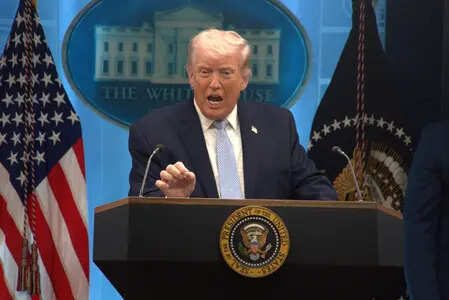
President Trump denied ordering Treasury intervention following a surprise doubling of government bond buybacks, a move aimed at stabilizing spiking long-term yields amid rising debt and inflation concerns.
President Trump stated on Friday that he did not direct the administration to intervene in the U.S. bond market. His remarks come immediately after a surprise announcement on Wednesday that the Treasury would spend double the expected amount on bond buybacks.
When asked by reporters if he had personally ordered the market intervention, Trump replied, "No, not at all." He instead attributed the move to Bessent’s own initiative, noting, "He's a very capable man. He wanted to do it. He's very good at it," before adding, "He did that, yeah."
Bessent is a former hedge fund manager with extensive experience in sovereign debt and currency markets. Building on the Wednesday announcement, he indicated on Thursday that the government could further increase its Treasury repurchases in the near future.
This potential for expanded buybacks highlights a proactive approach to managing current market volatility. The move represents a significant shift in how the Treasury manages its balance sheet. The intervention arrives as long-term Treasury yields have recently spiked, creating immediate headwinds for broader financial conditions.
Market participants have grown increasingly concerned about the U.S. government's rising debt levels and its impact on valuations. Additionally, inflation remains stubbornly above the Federal Reserve's 2 percent target, complicating the central bank's monetary policy outlook and keeping real rates elevated.
These combined macroeconomic pressures have raised serious questions about the implications for global investment flows and asset pricing. Institutional investors are now closely monitoring whether these Treasury repurchases are sufficient to stabilize long-term borrowing costs without signaling underlying fiscal distress.
For international markets, the trajectory of U.S. yields directly dictates capital allocation and currency stability. A sustained government presence in the bond market could temporarily ease yield pressures, but market professionals will demand clarity on the long-term fiscal strategy.