YouTube Bids Millions to Secure Creator Exclusivity Against Netflix Push
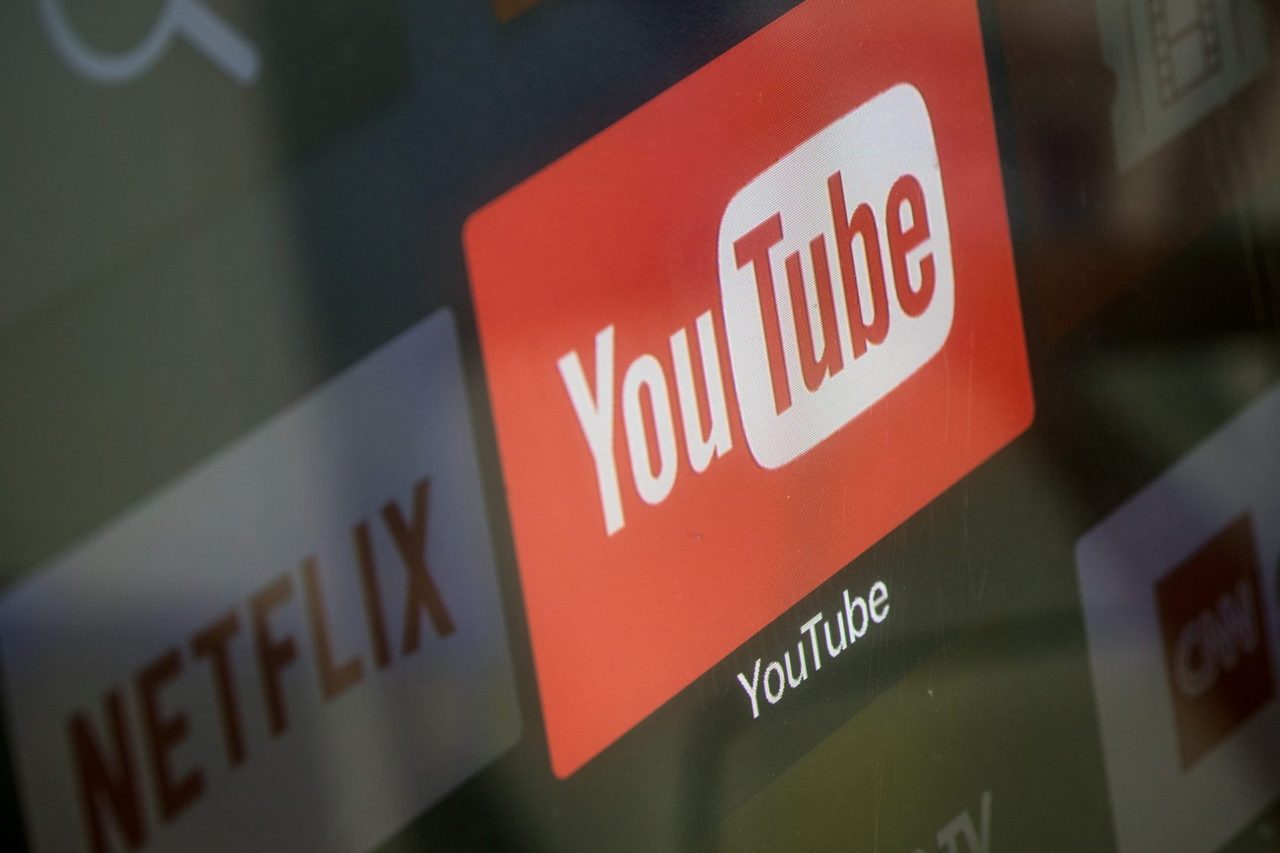
YouTube is proposing multi-million dollar incentives to top creators to prevent them from publishing content on Netflix, signaling a strategic shift to protect its advertising revenue as streaming boundaries blur.
YouTube is offering multi-million dollar incentives to prominent content creators in exchange for exclusive upload periods, aiming to block Netflix from acquiring its top talent. While no agreements are finalized, the platform is close to securing deals with several partners through direct program financing or shared brand deal allocations.
The company has warned creators that concurrent publishing on Netflix will carry operational penalties. Channels that cross-post may be excluded from YouTube marketing campaigns, event invitations, and revenue shares from major brand partnerships.
Netflix has actively pursued dozens of prominent YouTubers, including Alan Chikin Chow and Nick DiGiovanni, paying them to distribute existing content across both platforms simultaneously. These agreements offer creators substantial additional income and access to Netflix’s base of over 325 million subscribers.
However, friction exists in the Netflix distribution model. The streaming giant requires advance video delivery and the removal of certain brand sponsorships, prompting some creators to reject the offers entirely.
This aggressive posture marks a strategic pivot for YouTube. Chief Executive Officer Neal Mohan previously tolerated creator deals with rivals like Amazon Prime Video, operating on the assumption that audiences would ultimately return to YouTube as their primary outlet.
The corporate calculus has changed as concurrent distribution threatens YouTube’s core advertising business. Executives now view simultaneous releases as a direct complication in selling the unique value and viewership metrics of a video to advertisers.
The rivalry highlights the blurring lines between traditional subscription streaming and user-generated content. YouTube now dominates television-screen viewership and actively pursues major live broadcasting rights, while Netflix leverages digital creators to attract younger demographics and increase user engagement.
YouTube faces inherent risks in directly funding channels, as it could alienate the thousands of creators who do not receive financial backing. Nevertheless, the company has precedent for such defensive maneuvers, having previously incentivized creators to avoid a competing startup called Vessel and developing short-form video features to counter TikTok.