Roberts Allows Continued Construction on $400 Million White House Ballroom
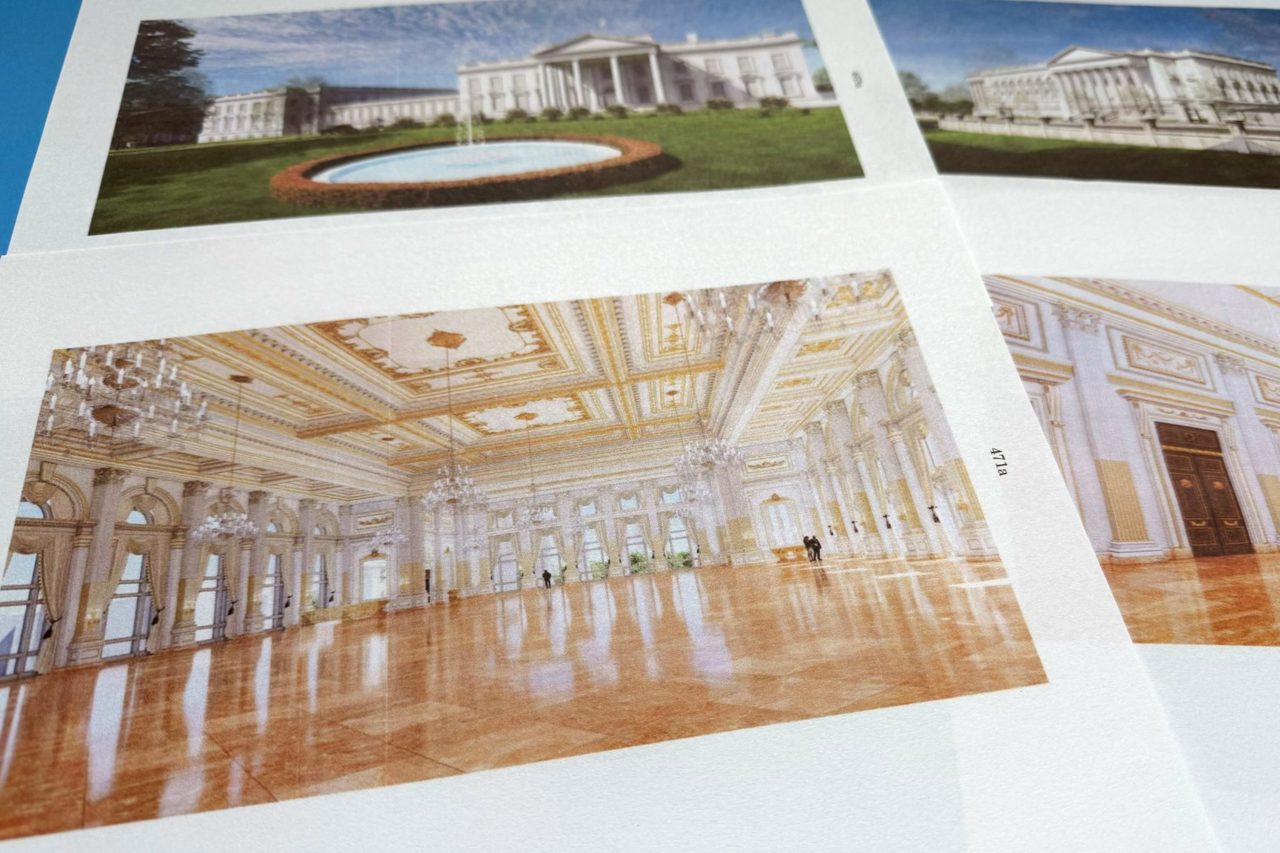
The Supreme Court’s temporary allowance of accelerated construction on the $400 million White House ballroom highlights growing legal and financial risks for private donors and federal contractors navigating unchecked executive spending.
Chief Justice John Roberts issued a temporary order on Friday permitting the White House to proceed with aboveground construction on a $400 million ballroom project. This emergency intervention prevents an imminent halt mandated by lower courts, which had ruled the administration lacked congressional approval for the undertaking.
The decision carries substantial implications for federal construction contracting and private capital deployment. With approximately $200 million in private donations already spent or committed, the legal ambiguity surrounding the project’s authorization introduces fresh compliance and reputational risks for contributors and federal contractors alike. Any future judicial reversal could jeopardize sunk costs and disrupt supply chains tied to the specialized renovation.
To advance the 90,000-square-foot facility, construction crews are currently operating 20 hours a day, seven days a week. According to Justice Department court filings, 65 percent of the work is already complete on the site where the East Wing previously stood before its demolition.
The Trump administration has justified this accelerated timeline and its assertion of unilateral authority by citing national security concerns. This rationale was not emphasized when the project was initially announced as a privately funded renovation. Solicitor General D. John Sauer defended the pace, labeling the lower court’s halt as “extraordinary and unlawful” and asserting the completion is “vitally required by national security.”
Opponents argue the president lacks unilateral authority for such expansive federal renovations. The National Trust for Historic Preservation has accused the White House of attempting to “outrun the courts” by accelerating the build. An appeals court panel previously upheld District Judge Richard Leon’s order to stop aboveground work, allowing only belowground bunker construction, with two judges noting the matter requires congressional approval and is “not a matter for Executive self-help.”
President Trump celebrated the temporary reprieve, stating on social media that the initiative remains “under budget and ahead of schedule.” However, this one-page emergency order is not a final resolution on the merits of the case. The full Supreme Court must still determine whether the construction can legally proceed throughout the potentially long duration of the ongoing litigation, leaving long-term project financing in limbo.
This case represents a broader test of executive power that could reshape how federal infrastructure projects are funded and executed. While the administration has recently secured a series of victories on the Supreme Court’s emergency docket, justices have historically ruled against some of the president’s signature policies after fuller review, suggesting eventual financial and operational uncertainty remains.