Nigeria Retailers Urge State Refinery Restart Amid Dollar Fuel Pricing
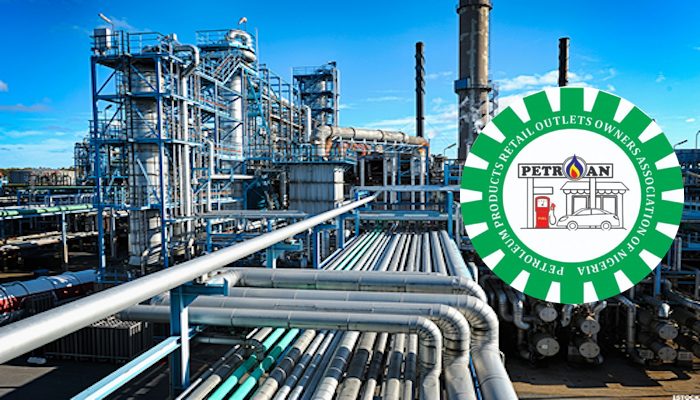
Nigeria’s fuel retailers are pressing the government to restart state-owned refineries to counter the inflationary and currency risks created by the Dangote refinery’s decision to price products in US dollars.
The Petroleum Products Retail Outlets Owners Association of Nigeria (PETROAN) has demanded that the federal government immediately restart commercial operations at the country’s state-owned refineries. The association’s leadership made the call on Wednesday, seeking to curb the market dominance of a single private supplier.
The urgency stems from the Dangote Petroleum Refinery’s recent decision to sell petroleum products in US dollars. This shift has placed immediate pressure on the naira across both official and parallel foreign exchange markets, according to industry reports.
Retailers and marketers primarily generate revenue in the local currency. Being forced to source dollars to purchase fuel significantly increases their operational costs and foreign exchange exposure. This dynamic ultimately threatens retail price stability across the country.
Billy Gillis-Harry, PETROAN’s national president, warned that relying on one dominant supplier leaves the downstream market vulnerable to abrupt pricing decisions. He argued that a single-source market structure compromises both consumer protection and national energy security.
To restore balance, PETROAN is urging Bayo Ojulari, the group chief executive of the Nigerian National Petroleum Company (NNPCL), to reactivate the Port Harcourt, Warri, and Kaduna facilities. The association specifically requested the resumption of temporary operations to boost domestic supply immediately.
These government-owned plants were operational prior to their shutdown in May 2025. The NNPCL is currently in discussions with two prospective Chinese technical partners for their long-term rehabilitation, but PETROAN wants interim production to begin while those negotiations continue.
Restarting the state facilities would introduce a critical price-check mechanism against market exploitation, the association noted. “A resilient petroleum sector requires both public and private refineries operating competitively within the same market,” Gillis-Harry stated.
For institutional investors and macroeconomic policymakers, the dispute underscores the structural friction within Nigeria’s deregulated downstream sector. Ending state monopolies was intended to attract private capital and improve efficiency. However, the transition has exposed the broader economy to severe currency mismatches and localized supply vulnerabilities.
PETROAN also called on the government to guarantee adequate crude oil supply for all domestic refiners and sustain policies that encourage further investment in modular and conventional plants. The association maintains that multiple functional refineries are the only sustainable way to prevent market distortions.