RBI leverage curbs threaten Indian exchange revenues
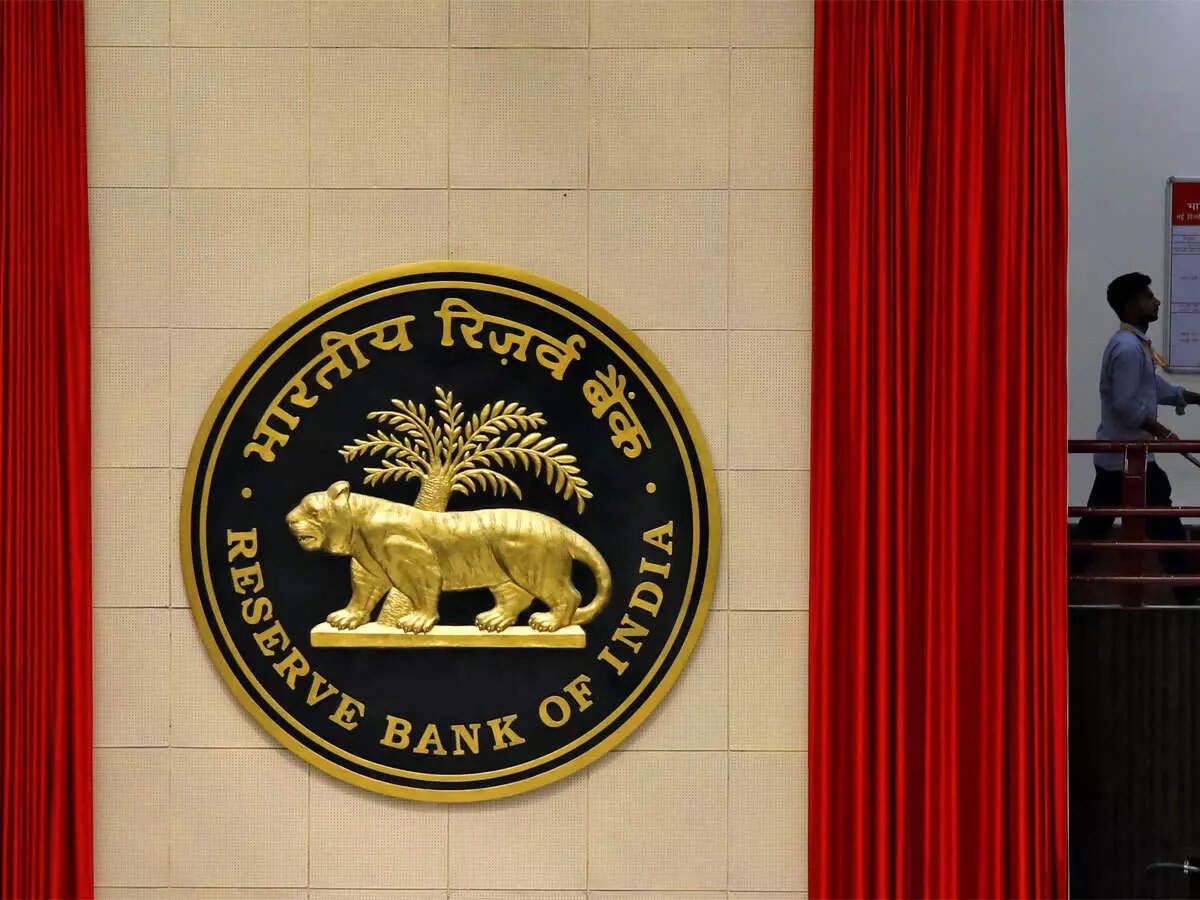
Revised central bank rules are stripping India's proprietary traders of cheap leverage, threatening to shrink derivatives volumes and pressure the rich valuations of the country's major exchanges.
Revised Reserve Bank of India norms have effectively halved the leverage available to proprietary trading firms, dismantling a Rs 1.3 lakh crore to Rs 1.5 lakh crore bank-guarantee funding pool. Traders who previously secured market exposure worth twice their capital are now restricted to a one-to-one ratio. The constraint is forcing a shift to commercial paper, which could drive funding costs to roughly 11% from just 1%.
This sudden spike in borrowing expenses, compounded by a recent hike in securities transaction tax, threatens to render many high-frequency and proprietary trading strategies unviable. “The primary bottleneck is likely to be capital availability,” warned Dolat Capital analysts led by Punit Bahlani. They expect the funding reset to trigger a liquidity squeeze across market segments dominated by these firms.
NSE faces steepest margin pressure
The National Stock Exchange faces the most acute downside because its revenue model is deeply tied to index options. Proprietary and high-frequency desks generate more than 45% of NSE's index-options volume, a business that supplies 53% of its total revenue. Dolat Capital now projects index-options turnover will fall 8% below base estimates in fiscal 2027 and 18% in fiscal 2028.
Futures volumes are also expected to contract by 3% and 6% over the same period. Despite projecting a 10% compound annual growth rate in adjusted profit through fiscal 2029, the brokerage noted NSE trades at 46 times estimated fiscal 2028 earnings in the unlisted market. “Current valuations…appear expensive for a sub-par PAT growth,” the report concluded.
BSE and MCX vulnerabilities
BSE has grown highly reliant on the same trading cohort. Proprietary books drive over half of its index-options volume, a segment that accounts for roughly 60% of the exchange's revenue. Analysts estimate BSE's index-options turnover could miss prior forecasts by 10% in fiscal 2027 and 20% the following year, dragging revenue and profit estimates 9% and 14% below consensus.
Multi Commodity Exchange of India carries lower but material exposure. Proprietary and commercial participants using bank guarantees account for 50% to 60% of recent derivatives activity. Dolat Capital forecasts a 6% to 13% turnover drag over the next two years, cutting profit estimates by 13% for fiscal 2028.
Structural limits to alternative funding
The core problem for the industry is scale. Proprietary desks cannot easily absorb higher costs because the total commercial paper market sits at roughly Rs 5 lakh crore, which is insufficient to replace the vanishing bank-guarantee channel. A surge in market volatility or stronger retail and foreign participation could offset the damage by boosting volumes.
Absent that catalyst, the regulatory shift reveals a fragile underpinning of India's exchange boom. While the domestic market continues to structurally expand with 130 million registered investors, exchange valuations currently price in uninterrupted growth that cheap bank guarantees are no longer there to finance.