Big tech carbon emissions surge 19% on AI datacentre boom
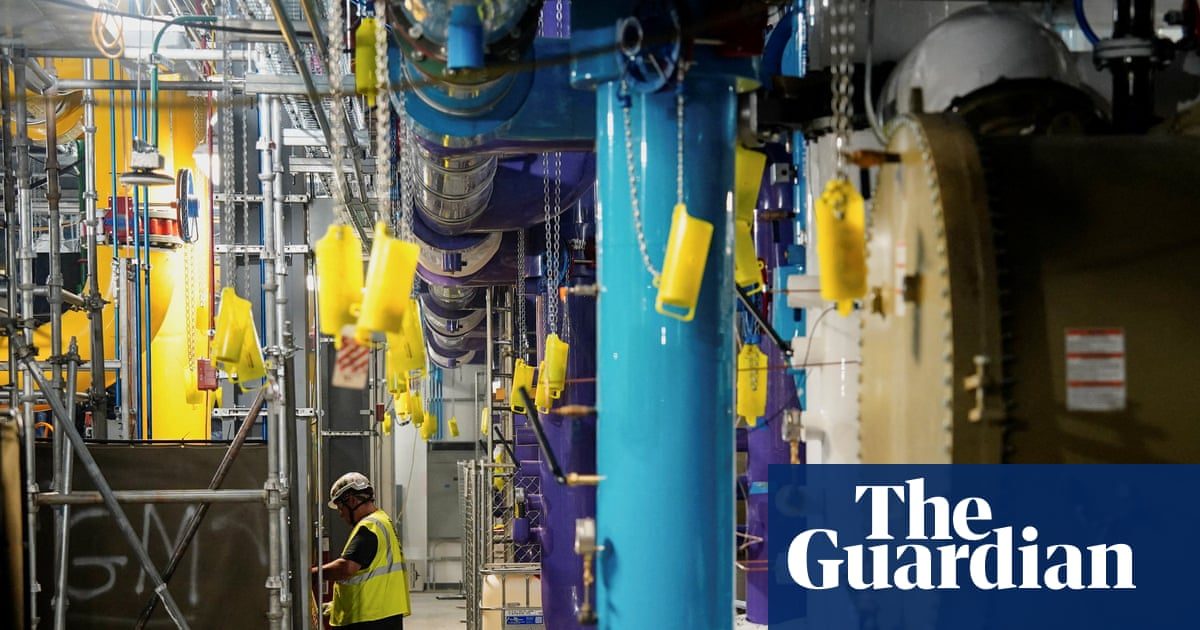
Microsoft, Amazon and Google's combined carbon emissions jumped to a third of France's total, exposing the environmental cost and carbon credit market risks of a $765bn AI infrastructure buildout.
Microsoft, Amazon and Google generated 119m mTCO₂e in the financial year ending March 2026, an increase of nearly a fifth from the 101m mTCO₂e emitted the previous year. The surge, detailed in the companies' recent annual sustainability reports, reverses years of progress in cutting emissions and scales their collective footprint to roughly a third of France's total.
The primary driver is a global race to build artificial intelligence infrastructure. The three US companies are on track to spend $765bn this year, predominantly on datacentre construction. This capital expenditure is directly colliding with their stated climate targets: Google and Microsoft aim for net zero by 2030, while Amazon targets 2040.
Microsoft reported a 25% emissions increase to 20m mTCO₂e, explicitly blaming datacentre expansion. Google recorded an 18% rise, though it claimed its AI systems helped reduce external emissions by 41m tonnes of CO2 last year. Amazon posted a 16% overall increase, with supply chain emissions, including construction, rising 20%.
The rapid expansion is straining environmental markets. Microsoft's report indicated a shrinking pool of available carbon credits to offset its footprint. “The figure suggests a possible lack of credit supply in the carbon market to meet the technology companies’ needs,” said Shaolei Ren, a professor of electrical engineering at the University of California, Riverside. “Everyone is talking about the lack of physical goods and infrastructure like power, but there may also be a lack of virtual goods, carbon credits.”
The emissions spike raises the prospect of regulatory pushback as tech groups simultaneously market AI as a tool to solve the climate crisis. “Claims by Microsoft, Amazon and Google about their clouds being ecologically friendly and sustainable are a marketing strategy,” said Cecilia Rikap, an economics professor at University College London. She added that corporate migration to the cloud merely outsources and obscures other companies' digital carbon footprints.
The buildout shows no signs of slowing. Property consultancy JLL expects roughly 1,200 new datacentres globally by 2030. The Uptime Institute estimates that projects announced last year alone will eventually consume 1.3% of the world's electricity, nearly doubling current datacentre demand and heavily concentrating that power draw in the US.