Fed Chair Warsh leaves rate path unclear as policymakers diverge on inflation
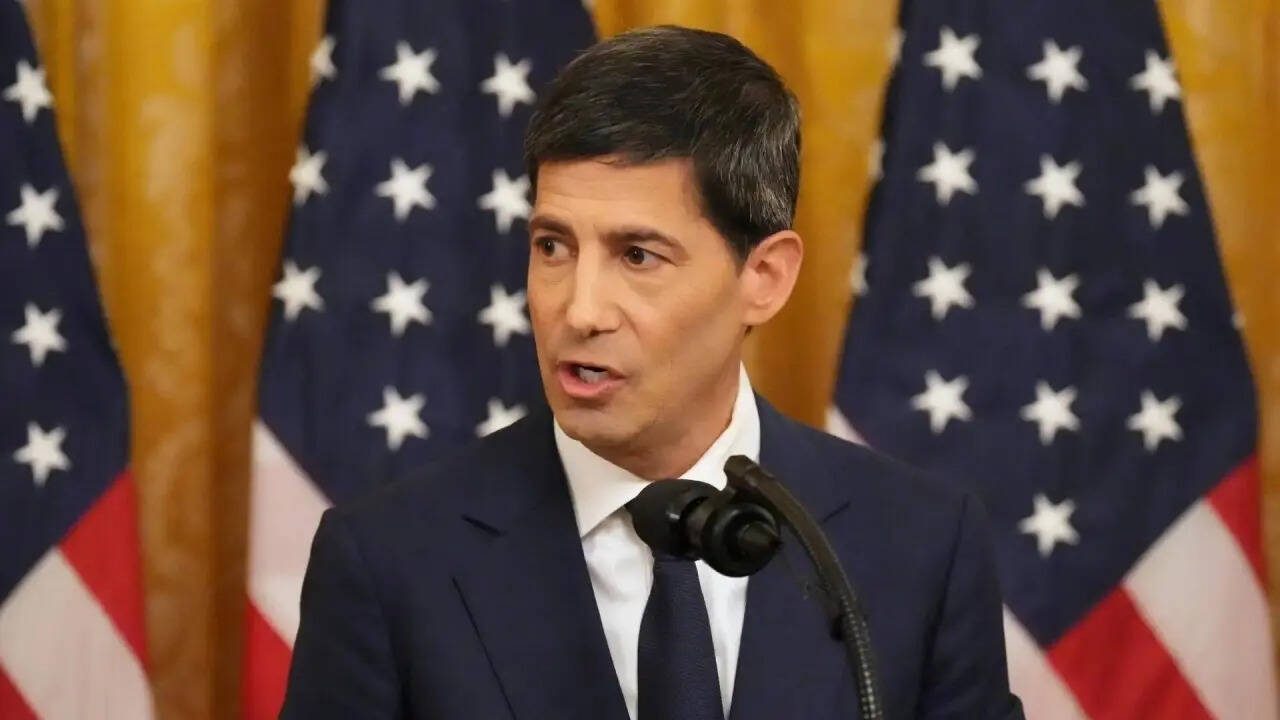
Federal Reserve Chair Warsh has declined to signal future interest rate moves, deepening a policy divide among officials just weeks before the next central bank meeting and leaving markets to navigate conflicting inflation outlooks.
Federal Reserve Chair Warsh testified before the House Financial Services Committee and the Senate Banking Committee this week without outlining specific conditions that would trigger interest rate changes. He emphasized concerns that inflation remains above the central bank’s target but deliberately avoided providing forward guidance to financial markets. This ambiguity leaves investors guessing about the near-term trajectory of borrowing costs.
This marks a deliberate shift in the central bank’s communication strategy. Warsh is advocating for fewer explicit policy signals, arguing that economic data alone should guide market expectations. He has convened expert-led task forces to evaluate how the Fed conducts and communicates monetary policy, aiming to reduce market overreaction to individual official statements.
His restrained approach contrasts sharply with other senior policymakers who have recently offered clearer views on the economic outlook. This divergence emerges as the central bank grapples with fresh inflationary pressures. These include rising fuel costs linked to Middle East tensions and rapid capital expansion in the artificial intelligence sector.
Fed Governor Lisa Cook recently warned that risks from AI investment, tariffs, and geopolitical conflicts could sustain elevated inflation. She noted that further policy action may be required if progress toward lower inflation slows. Her comments underscore the lingering vulnerabilities in the current economic landscape.
New York Fed President John Williams offered a more optimistic assessment, expressing confidence that price pressures will ease in the coming quarters. He described current monetary policy as appropriately positioned. Conversely, Fed Governor Christopher Waller stated he requires several months of improving data before believing inflation is sustainably returning to the 2 percent target.
This internal debate creates a challenging environment for investors and corporate executives planning long-term capital allocation. With the next Federal Reserve meeting less than two weeks away, market participants are left to parse conflicting signals. This uncertainty will likely persist until the central bank enters its traditional pre-meeting communication blackout period.
The tension highlights a fundamental dilemma for the central bank. Policymakers must balance the market stability afforded by transparent communication against the flexibility needed to react to rapidly evolving economic conditions. Investors will now closely watch upcoming data releases for concrete clues on the future direction of interest rates.