Tajikistan Requests Iranian Fuel Imports Amid Russian Supply Shortages
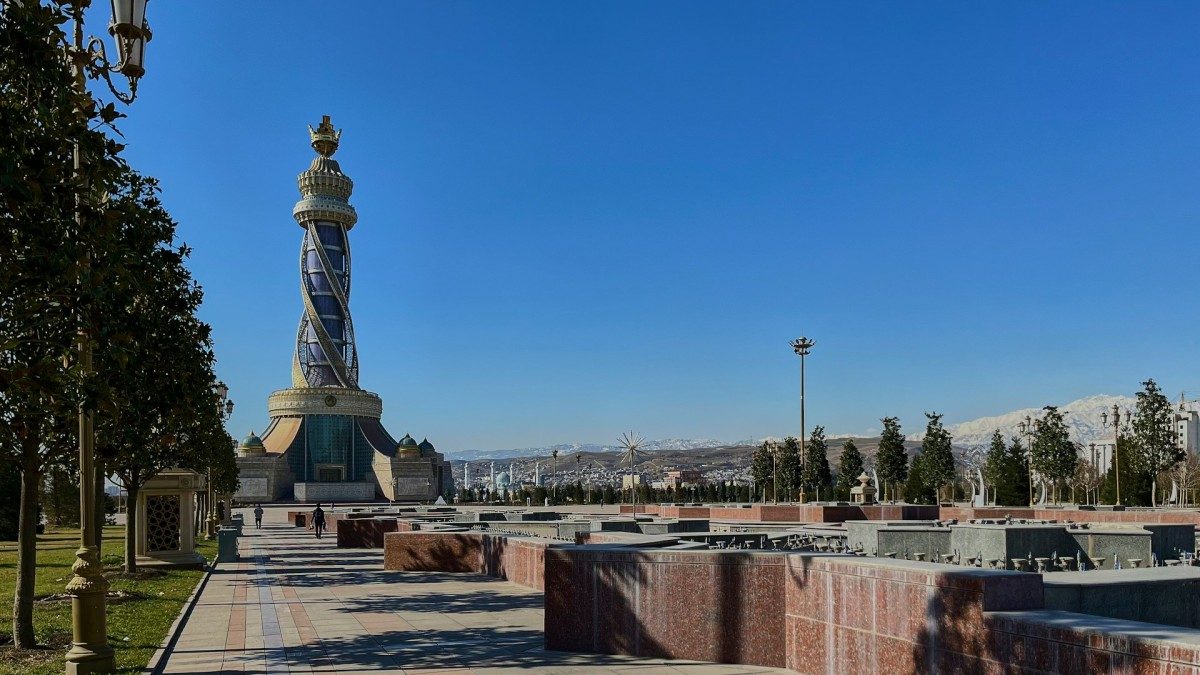
Tajikistan is seeking to import 2.55 million tons of fuel from Iran to replace lost Russian supplies, exposing Central Asian energy markets to new geopolitical and sanctions risks.
Tajikistan has formally requested to import 2.55 million tons of oil and petroleum products from Iran. The Central Asian nation is executing this strategic pivot after a severe fuel crisis in Russia choked off supplies from its historically dominant provider.
According to the Tajikistan Transport Ministry, the requested volume comprises 2 million tons of crude oil, 300,000 tons of diesel, 150,000 tons of gasoline, and 100,000 tons of jet fuel. To facilitate this transition, officials finalized more than a dozen cooperation agreements with Iranian counterparts in Tehran earlier this week.
Transport Minister Azim Ibrohim highlighted the scale of the disruption facing the domestic market. “The global geopolitical situation has cut fuel imports to the Republic of Tajikistan,” he stated, noting that more than 80 percent of the country’s fuel previously originated in Russia.
The current supply vacuum stems directly from Moscow’s broad ban on exports of gasoline, diesel, and jet fuel. While existing inter-governmental supply agreements remain exempt, wider commercial flows have been abruptly halted as Russia grapples with acute domestic shortages.
These domestic constraints are the result of sustained Ukrainian drone campaigns targeting Russian energy infrastructure. Over the past three months, nearly daily strikes have forced major refining sites offline, crippling both military logistics and domestic distribution networks across the Russian Federation.
This supply chain realignment introduces substantial geopolitical risk for regional market participants. The Tajik procurement initiative emerged just hours before U.S. President Donald Trump warned of tremendous economic consequences for any nation extending a lifeline to Iran.
For investors and corporate executives, this development signals a fragile transition for Central Asian energy security. Nations heavily dependent on Russian hydrocarbons must now navigate heightened secondary sanctions exposure while attempting to secure alternative volumes in a tightly constrained global market.
The shift also underscores the cascading economic effects of the conflict in Eastern Europe. As traditional trade routes fracture, commodity traders and logistics firms will face increased complexity and insurance costs in facilitating cross-border energy transfers through sanctioned jurisdictions.