SpaceX Shares Fall Below IPO Price as 319 Million Shares Exit Lockup
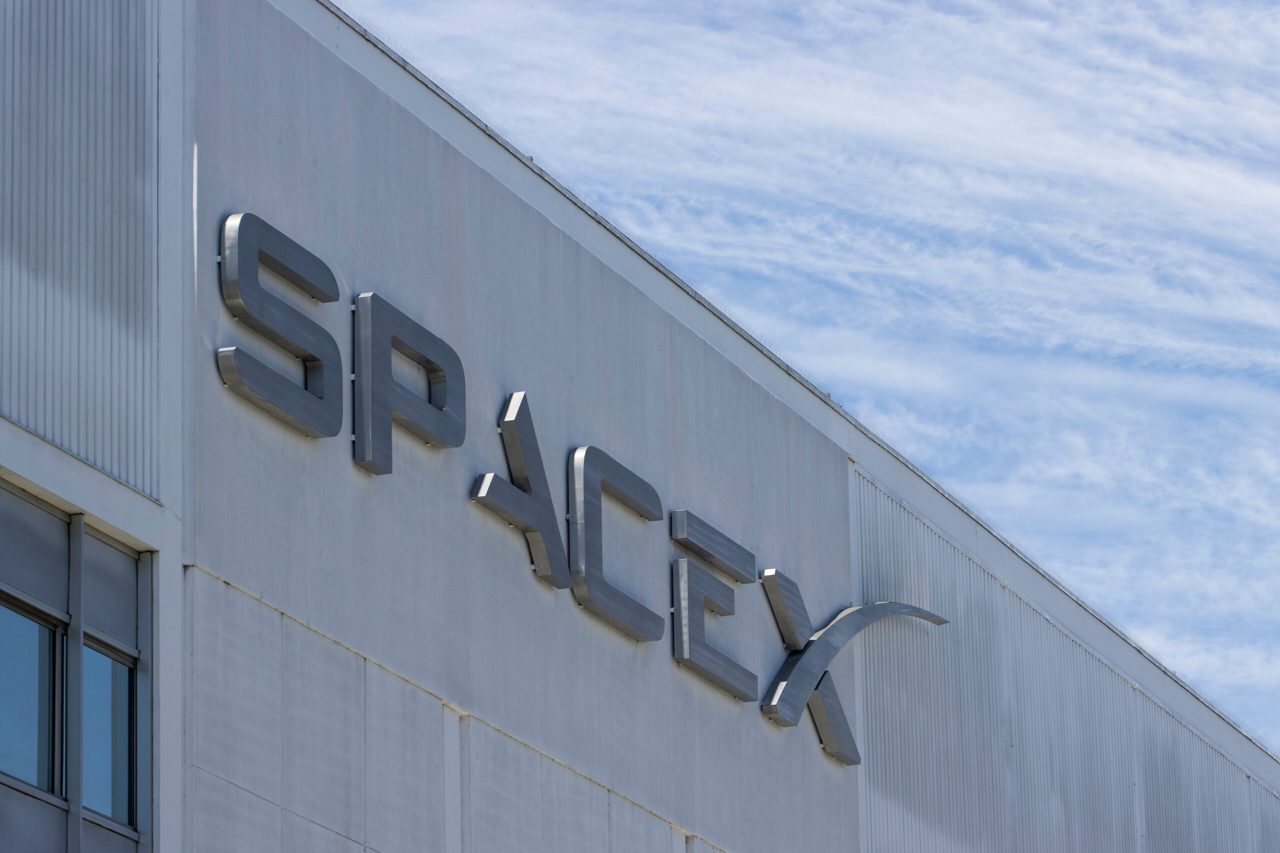
SpaceX stock slipped beneath its initial public offering price following a fresh share unlock, signaling waning market appetite for new supply in the high-valuation space sector.
SpaceX shares dropped 6 percent to $131.86 in midday trading Thursday, falling below the $135 initial public offering price established during its June market debut. The decline coincided directly with 319 million shares becoming eligible for public trading following the expiration of a post-IPO lockup agreement.
This negative reaction marks a notable shift in market dynamics from early August. On August 6, a much larger tranche of 911.5 million shares came off lockup, yet the stock absorbed the supply and rose 6 percent that day. The current dip suggests that market appetite for absorbing new SpaceX equity has weakened at these valuation levels, giving sellers a clear psychological reference point to trade against.
The selling pressure quickly spilled over into the broader commercial space industry, despite the absence of any company-specific negative catalysts. Rocket Lab shares drifted 4 percent lower to $72.67 in pure sector sympathy. Meanwhile, the Procure Space ETF fell 2 percent to $45.54, tracking the downward momentum of its largest constituents.
Even with Thursday's decline, the space ETF remains up 17 percent year to date. This performance highlights that the broader sector has largely outperformed the market this year, isolating Thursday's move as a specific reaction to SpaceX's evolving supply mechanics rather than a sector-wide collapse.
Institutional investors must now navigate a recurring supply overhang. The current staggered lockup schedule is designed to free 88 percent of the company’s 13 billion total shares by the end of 2027. Two significantly larger unlock events are already scheduled for November and December, which will test market depth and liquidity far more aggressively than today's tranche.
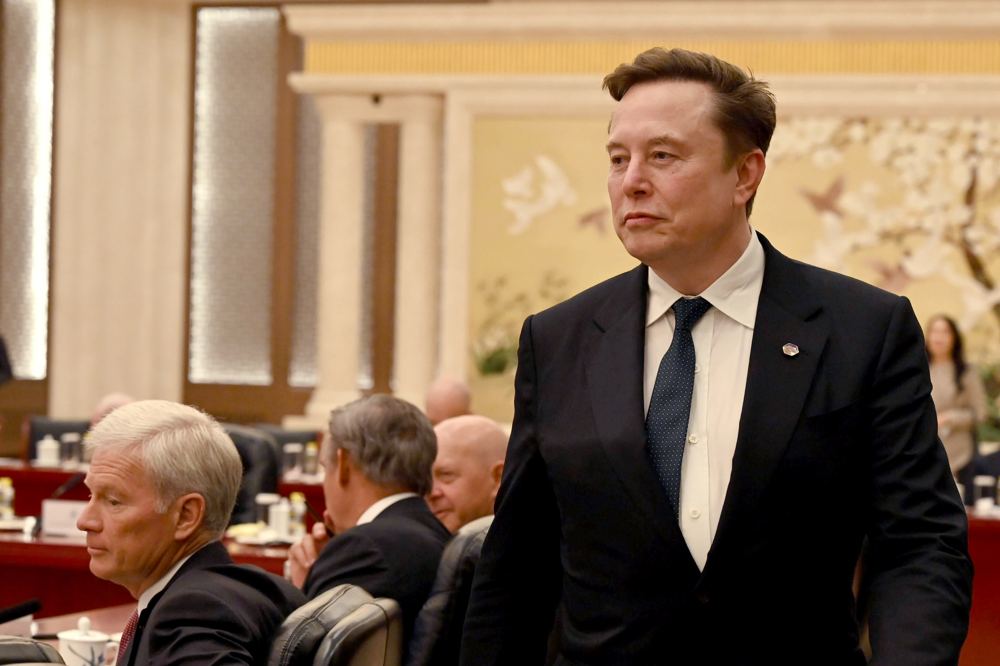
Notably, this current release does not affect ultimate insider control. Founder Elon Musk’s 6.42 billion shares remain completely locked until June 2027, meaning today's selling is confined to earlier investors and employees. With a market capitalization of $1.02 trillion, the company can easily absorb this daily volatility within its massive float, framing the move as a mechanical adjustment rather than a fundamental repricing of the business.