Blue Star among four NSE stocks with sharp rise in futures open interest
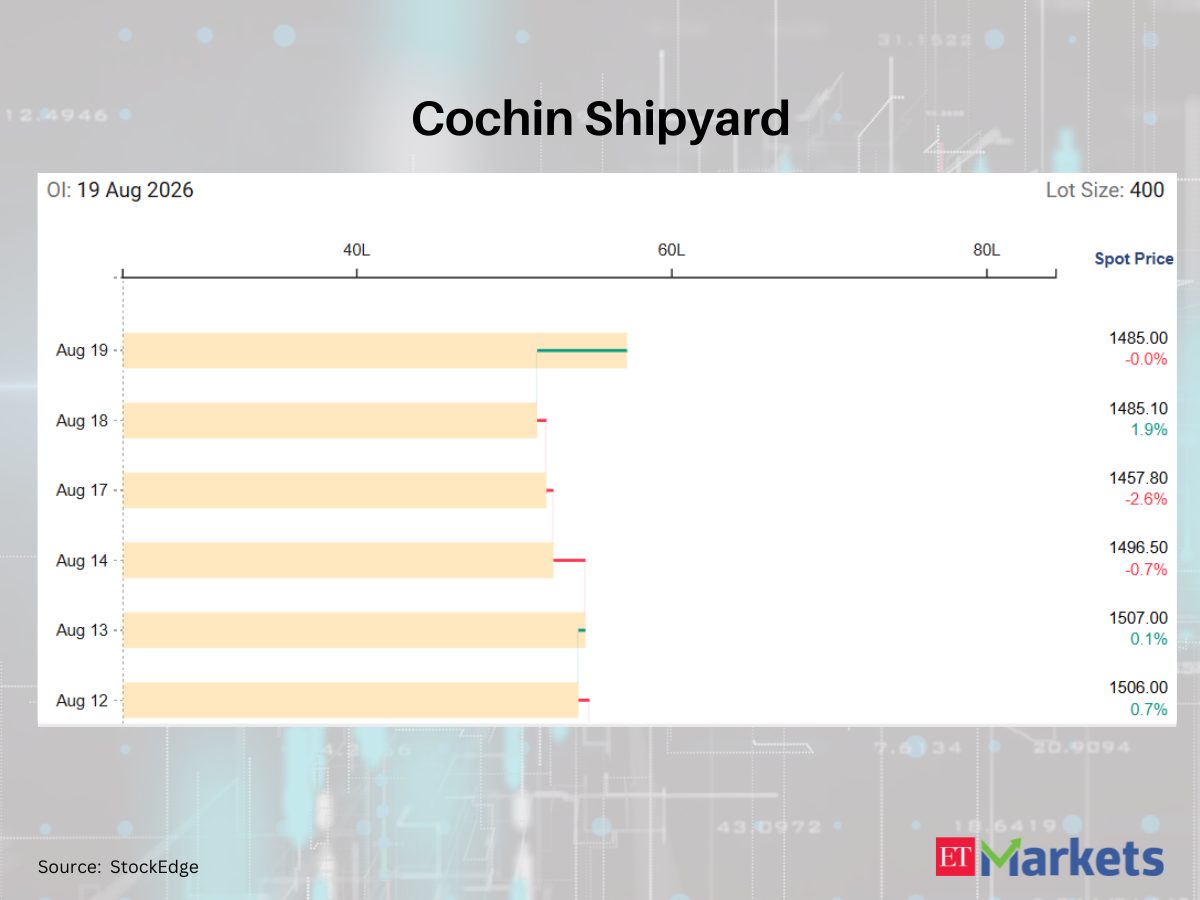
A notable surge in derivatives activity signals growing conviction among market participants positioning for potential volatility in Indian equities.
Blue Star is among four stocks in the National Stock Exchange futures and options segment that experienced a sharp rise in futures open interest as of August 19. The combined open interest across these four specific contracts increased by more than 11 percent compared to the previous trading session, marking a notable shift in derivatives positioning.
This accumulation of derivatives positions reflects a substantial growth in the number of active, unexpired futures contracts. Such an uptrend indicates that market participants are actively initiating new positions or expanding the size of their existing exposures within the futures market.
The underlying data highlights significant percentage gains in open interest across the four securities. One contract saw open interest jump by 28.81 percent to reach 1,04,21,250, adding 23,30,625 contracts in a single session.
Another recorded a 14.2 percent increase to 68,33,125, reflecting a change of 8,49,875 contracts. The remaining two posted gains of 12.2 percent and 11.09 percent, adding 2,56,375 and 5,70,400 contracts to reach totals of 23,58,250 and 57,15,600 respectively.
For institutional investors and corporate executives, monitoring these derivative flows is a critical component of market analysis. A concentrated buildup in open interest often precedes heightened price volatility. It signals that traders are forming strong directional convictions, potentially in anticipation of upcoming corporate earnings or broader macroeconomic shifts.
While rising open interest alone does not dictate whether the market direction will be bullish or bearish, the double-digit percentage expansions across this quartet suggest traders are committing fresh capital. This distinguishes the activity from routine position rolling, which typically generates more muted changes in contract volumes.
The National Stock Exchange remains a primary venue for such derivative activity in Asia, where futures and options trading frequently dictates short-term liquidity dynamics. When specific names see abrupt spikes in contract holdings, it draws the attention of algorithmic trading desks and retail participants alike, often amplifying intraday price swings.
Market professionals will likely watch the underlying cash market volumes in these stocks closely over the coming sessions. Confirming whether this heavy derivatives activity is accompanied by proportional spot buying or selling pressure will be essential to interpreting the true sentiment behind the positioning.