Oil Holds Steady Amid US-Iran Tensions and Strait of Hormuz Shipping Slowdown
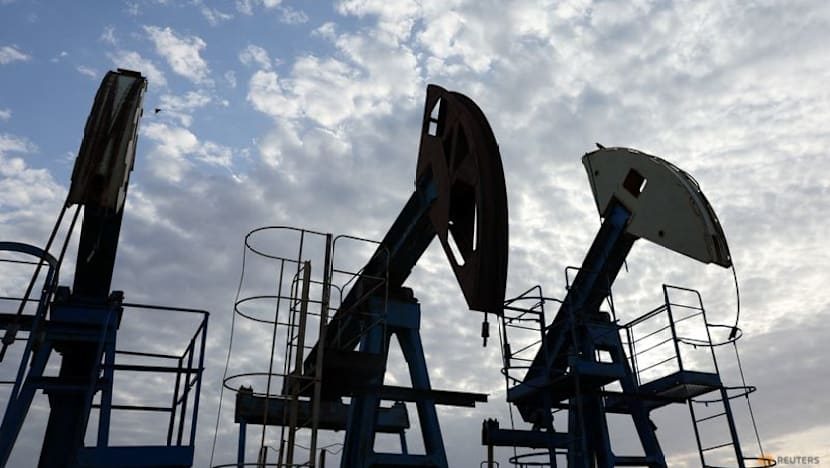
Crude benchmarks held steady in early trading as conflicting signals over the Strait of Hormuz and rising US crude inventories left investors weighing geopolitical risks against supply fundamentals.
Oil prices stabilized in early Asian trading on Thursday as markets digested the ongoing geopolitical friction between the United States and Iran. Brent crude futures for October delivery edged up 25 cents, or 0.3 per cent, to $91.87 a barrel. Meanwhile, the more active October West Texas Intermediate contract gained 14 cents to $84.53, even as the September WTI contract slipped 2 cents to $85.81 ahead of its Thursday expiration.
Both major benchmarks closed at their highest levels since July 24 on Wednesday, marking a fourth consecutive session of gains. Hiroyuki Kikukawa, chief strategist at Nissan Securities Investment, noted that the market lacks fresh momentum without a major escalation despite sporadic Middle East attacks. He expects a gradual upward trend to persist due to unresolved peace talks and regional tensions involving Iran, Oman, and the United Arab Emirates.
Geopolitical friction intensified after the UAE suspended all financial and economic transactions with Iran until further notice. Conflicting narratives further clouded the outlook for global energy supplies. US President Donald Trump stated on Tuesday that no negotiations are occurring with Iran and insisted the Strait of Hormuz remains open, while Iranian officials maintain the critical waterway is still shut.
Maritime data from Wednesday confirms that shipping through the Strait of Hormuz has significantly slowed. Most vessel operators are actively avoiding the chokepoint due to the absence of clear signals regarding the lifting of a blockade established during the Iran war. This disruption keeps a risk premium on crude prices despite broader macroeconomic headwinds.
Adding complexity to the supply picture, US crude and gasoline inventories unexpectedly expanded last week. The Energy Information Administration reported a 4.4 million barrel increase in crude stockpiles for the week ended August 14. This buildup sharply contradicted market forecasts, which had anticipated a draw of 600,000 barrels, even as distillate stockpiles declined.