Japan exports hit record 11.5 trillion yen in July, supporting BOJ rate normalisation
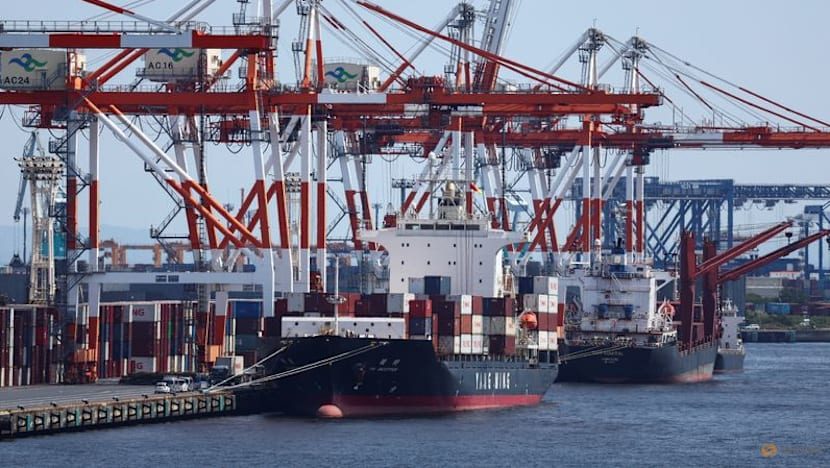
Japan’s exports surged to a record 11.5 trillion yen in July, providing crucial momentum for an economy reliant on overseas demand and strengthening the case for a Bank of Japan interest rate hike in September.
Japan’s exports surged to a monthly record of 11.5 trillion yen ($72.62 billion) in July, representing a 23.2 per cent year-on-year increase. This figure comfortably exceeded the median market forecast of a 19.9 per cent rise, following a 19.3 per cent gain in June.
The robust outbound shipment data reinforces the argument for the Bank of Japan to continue its monetary policy normalisation. With the central bank widely expected to raise interest rates as early as September, this external strength provides vital cover for policymakers.
Overseas demand is increasingly propping up an economy that continues to struggle with weak private consumption and sluggish business investment. Separate data released this week confirmed that Japan’s economy expanded for a third consecutive quarter during the April-to-June period, driven largely by this export resilience.
Shipments to major trading partners showed broad-based strength last month. Exports to the United States climbed 22 per cent from a year earlier. Meanwhile, sales to China jumped by 25.8 per cent, highlighting resilient demand across key markets.
On the other side of the ledger, import costs also accelerated, rising 27.8 per cent year-on-year and surpassing the projected 26.5 per cent increase. Consequently, Japan posted a trade deficit of 634.5 billion yen, which was slightly narrower than the forecasted shortfall of 680 billion yen.
The elevated import bill reflects lingering effects from earlier geopolitical disruptions. Conflict in the Middle East previously choked shipping through the Strait of Hormuz, triggering sharp increases in crude oil and petrochemical prices that heavily impact Japan’s energy-dependent economy.
Although crude prices began to retreat in June following partial restoration of shipping routes, customs data inherently lags behind spot markets. Import valuations continue to reflect contracts negotiated weeks prior to the actual arrival of goods. This delay ensures that recent price dips will only become visible in upcoming trade reports.
Crucially for corporate margins, these higher commodity and energy costs have permeated global supply chains. Japanese manufacturers have successfully passed these increased expenses on to overseas buyers, meaning the record export values are partially driven by higher prices rather than a surge in actual export volumes, which remain subdued.