Sebi to Review SME IPO Rules and Onshore Fund Management Regulations
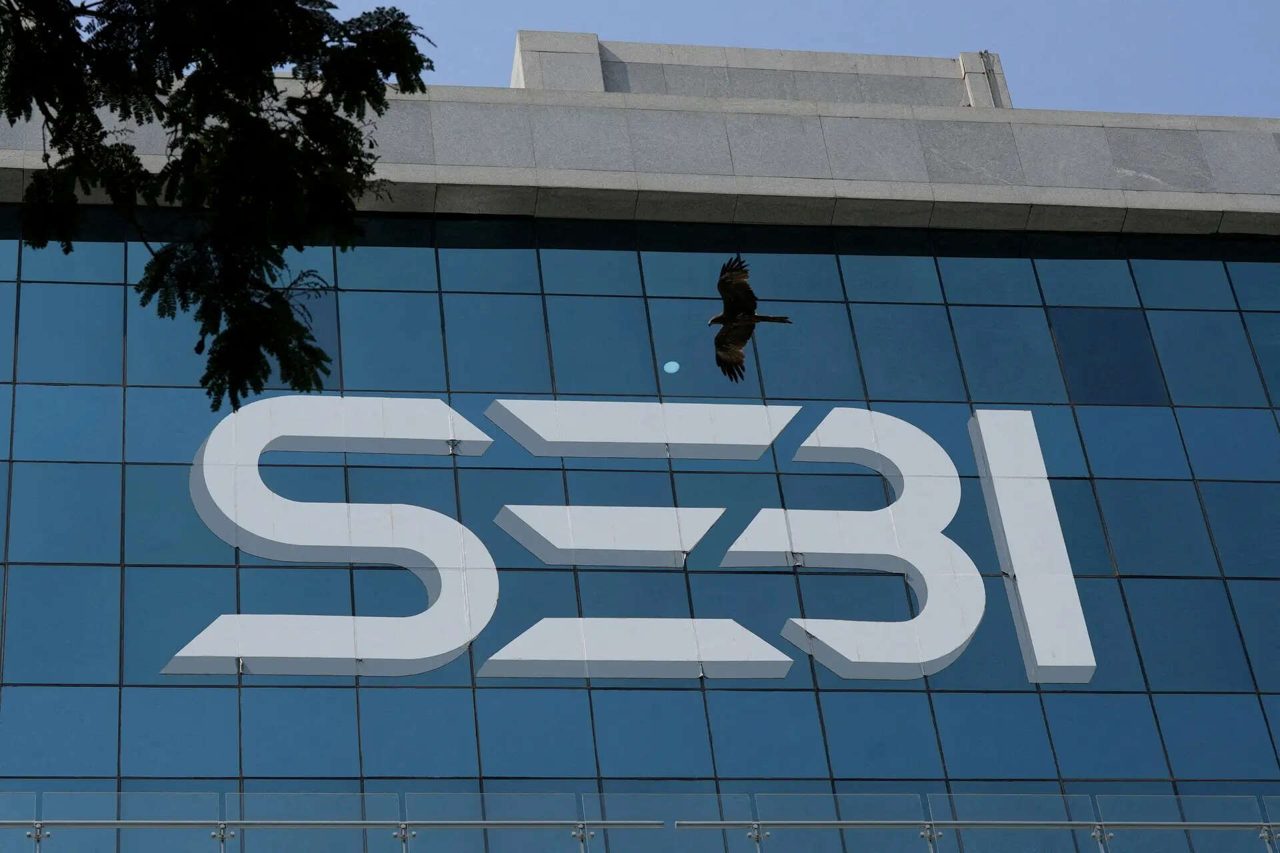
India’s market regulator is overhauling small business listing rules and portfolio management frameworks to reduce issuer costs and attract global capital.
The Securities and Exchange Board of India is preparing a comprehensive review of the regulations governing small and medium enterprise initial public offerings. A dedicated working group has recently submitted its findings to the regulator, paving the way for an imminent consultation paper on the SME platform.
Structural Inefficiencies
The regulatory overhaul targets structural inefficiencies that have disproportionately burdened smaller listed companies. Pandey noted that the current underwriting system is not working effectively. As a result, companies utilizing the SME platform are bearing significant costs.
"If someone is on the SME platform, obviously we do not want them to incur higher costs," Pandey said. He added that "the cost is significantly higher compared with the mainboard." This disparity undermines the platform's original purpose of providing affordable capital access to growing businesses.
Previous regulatory interventions aimed at stabilizing the SME market have similarly fallen short of expectations. Pandey acknowledged that past measures, specifically the decision to increase the trading lot size and application size, were implemented to control retail participation. However, he conceded that this approach has not achieved the intended purpose.
Global Fund Management
In a parallel move, Sebi is actively looking to support global fund management activity originating from India. The regulator is evaluating targeted adjustments to the existing portfolio management services regulations to facilitate this expansion.
These proposed changes to the portfolio management services framework would enable trading from onshore, Pandey said. This adjustment is designed to reduce operational friction for international asset managers and align domestic rules with global institutional expectations.
For institutional investors and corporate executives, this dual regulatory push represents a critical maturation of India's capital markets. Rectifying the cost and liquidity distortions in the SME segment is essential to restoring credible price discovery and attracting long-term capital to smaller issuers.
Simultaneously, easing onshore trading restrictions for portfolio managers could unlock new channels for foreign capital allocation. Market professionals will now await the detailed consultation paper to assess the precise scope of the underwriting reforms and the timeline for implementation.