Asian nations invest in hydrogen transport to build industrial and energy security
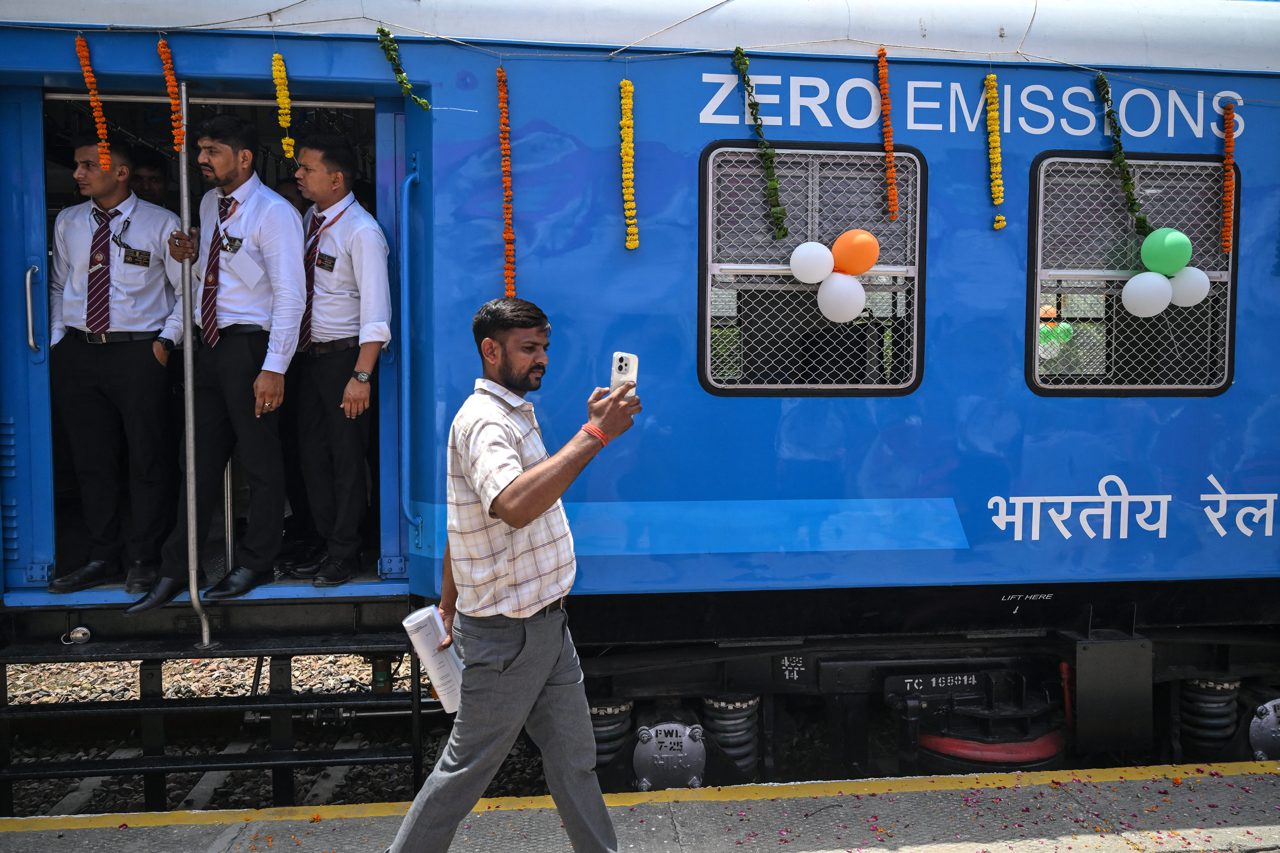
Governments across India, China, Japan, and South Korea are funding hydrogen-powered transport projects to secure domestic energy supplies and establish early technological advantages in a nascent clean energy market.
National governments across India, China, Japan, and South Korea are advancing hydrogen-powered transport projects to secure domestic energy supplies and build industrial capacity. Although the technology remains years away from broad commercial viability, these state-backed initiatives aim to establish early technological advantages in a nascent clean energy market.
The push extends beyond mere transit upgrades to serve a broader macroeconomic purpose. Analysts view hydrogen rail as a strategic demand anchor alongside heavy industries like steel and shipping, helping to de-risk early investments in production and refueling infrastructure.
India recently launched its first hydrogen-powered train as a technology demonstration for niche routes, with a broader 2023 vision to deploy 35 units on heritage lines. New Delhi also initiated 12 pilot projects in July featuring 70 hydrogen vehicles across 21 routes, alongside 16 refueling stations. The Asian Development Bank estimates these efforts could attract $34 billion in green hydrogen and ammonia capacity investments by 2030.
South Korea is investing 32.1 billion won through 2027 in demonstration projects, with the city of Daejeon planning to deploy 34 hydrogen trams by 2028. Meanwhile, East Japan Railway intends to introduce its HYBARI hydrogen-hybrid train by the end of fiscal 2027. Seoul anticipates the global hydrogen train market will expand at an annual rate exceeding 25 percent to reach $26.4 billion by 2035.
In China, CRRC Changchun unveiled its inaugural hydrogen tourism train last year as part of a strategy to build fuel-cell supply chains for export competitiveness. Ravi Krishnaswamy, managing director at Frost & Sullivan Asia Pacific, noted that hydrogen rail serves as a visible tool to make early infrastructure investments less risky rather than acting as a direct replacement for electric corridors.
Despite the heavy capital deployment, experts caution that the hydrogen economy will only become commercially feasible at scale in specific sectors during the 2030s and 2040s. Rajeev Pandey, a senior analyst at Rystad Energy, described the long-term potential as real but narrower than the hype, predicting meaningful commercial adoption of hydrogen trains primarily in India and South Korea over the next decade.
The regional race is also driven by geopolitical and industrial competition. Pandey highlighted that Japan and South Korea are leveraging hydrogen and fuel cells to maintain a technological lead against China’s dominance in solar and battery supply chains. Furthermore, all four nations are heavily dependent on imported fossil fuels, making domestically produced and tradable hydrogen a critical component of future energy security.
Transitioning to hydrogen-powered transit will not happen overnight. Vivek Lohia, managing director at rolling stock provider Jupiter Wagons, indicated that a full shift toward hydrogen in India could take more than two decades, underscoring the long-term nature of these capital commitments.