Memory Chip Squeeze Erodes Chinese Smartphone Dominance in India
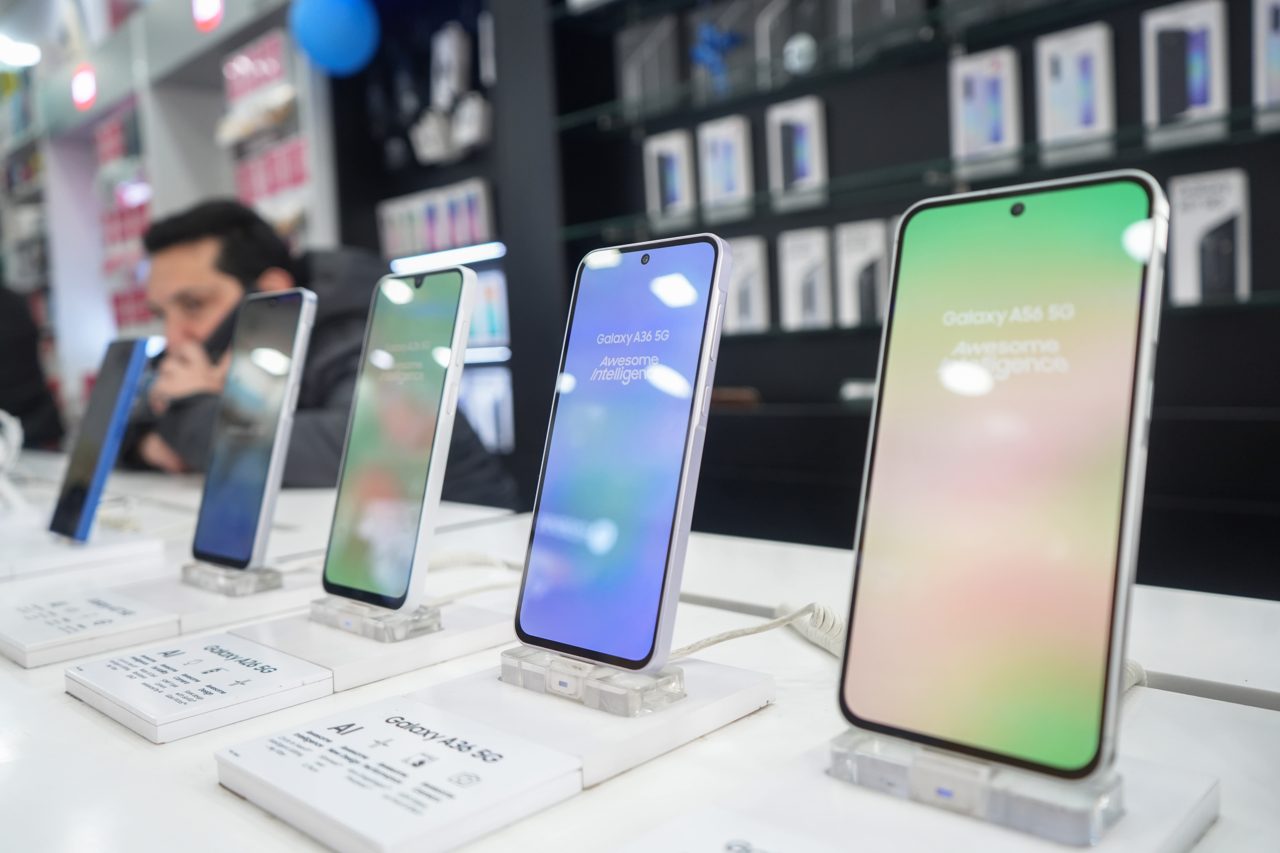
Surging memory component prices are forcing budget Chinese handset makers to raise prices, driving cost-conscious Indian consumers toward premium rivals like Apple and Samsung.
Surging memory chip costs are reshaping the Indian smartphone market, eroding the dominance of budget Chinese brands and accelerating market share gains for Apple and Samsung. As component prices climb, Chinese manufacturers are passing costs to consumers, fundamentally altering the value proposition of entry-level devices in the world’s second-largest smartphone market by volume.
The financial impact is already visible in recent shipment data. In the first half of 2026, Indian smartphone shipments fell 7.9 percent year-on-year to 64.2 million units. However, the total market value grew 3.6 percent, driven by a record average selling price of $315.
Chinese brands bore the brunt of this volume contraction. During the June quarter, shipments for Vivo fell 13.9 percent, Realme dropped 14.2 percent, Xiaomi declined 10 percent, and Oppo fell 8.5 percent. OnePlus, which operates in the higher-end category, saw a muted decline of 2.5 percent.
Conversely, premium competitors capitalized on the disruption. Samsung and Apple were the only major brands to gain share, with June-quarter shipments rising 0.4 percent and 0.7 percent, respectively. Samsung’s market share expanded by nearly 200 basis points and Apple’s rose 100 basis points, while Vivo’s share contracted by 60 to 140 basis points depending on the analyst estimate. The iPhone 17 remained the top-shipped device for the first two quarters of 2026.
Supply chain constraints are compounding the pricing pressure. Neil Shah, co-founder at Counterpoint Research, noted that memory chip prices have increased fourfold since September 2025 and are expected to rise further. While Chinese firms initially mitigated costs by shifting to chips from UNISOC and CXMT, this strategy is unraveling. CXMT is now diverting resources to expand capacity for China’s AI and data center markets, making the previous supply arrangement unsustainable.
The era of the sub-$150 smartphone in India is effectively ending. Industry analysts warn that once current inventory is exhausted, newer models in this category will face price hikes of up to 40 percent, pushing entry-level devices into the $200 to $250 range.
Upasana Joshi, senior research manager at IDC Asia Pacific, stated that the global memory shortage has "hit entry-level demand hardest, the segment Chinese brands rely on most." As budget phones become more expensive, improved consumer financing options are making mid-price and premium handsets increasingly accessible, cementing a structural shift in Indian consumer behavior.