Amazon scales drone delivery network sixfold to defend logistics advantage
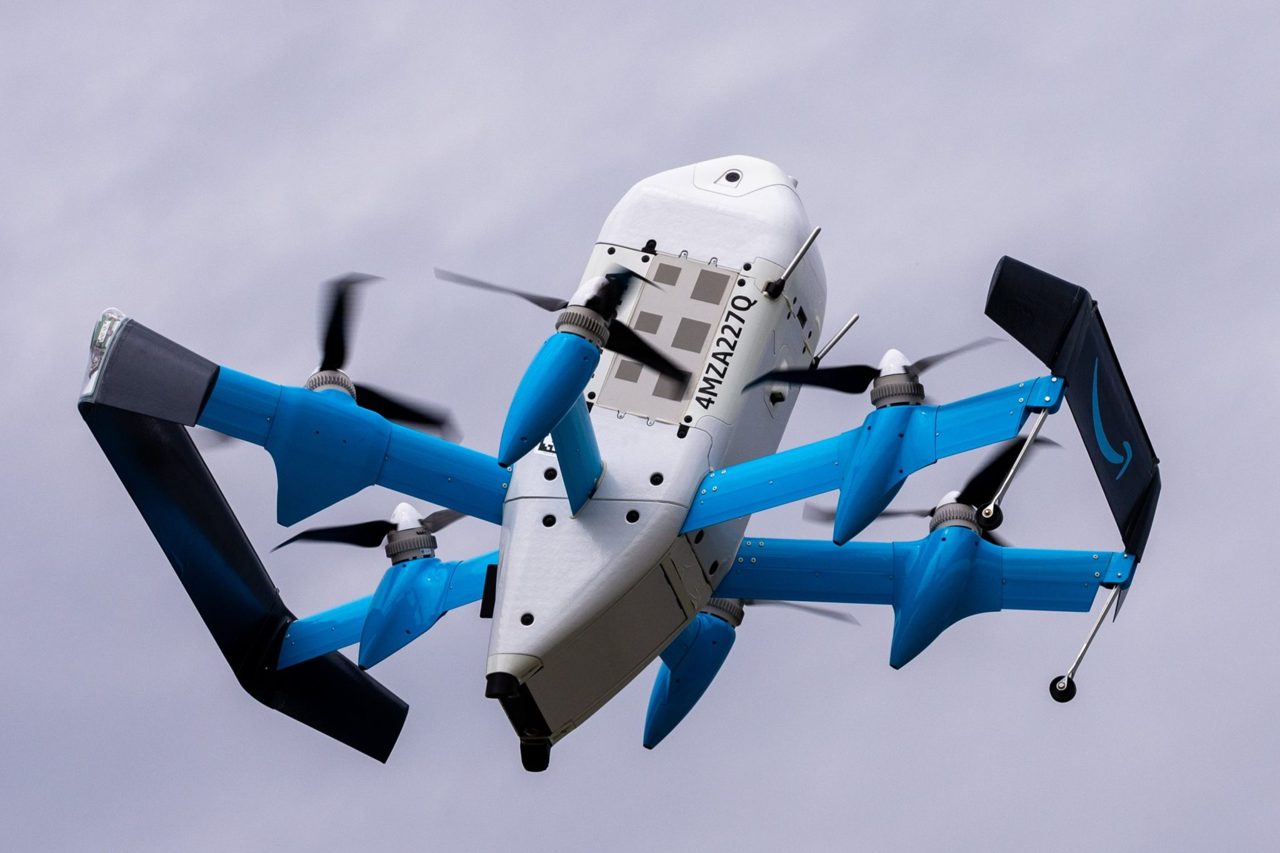
Amazon is expanding its drone delivery network to nearly 500 U.S. locations this year, a strategic move to protect its speed advantage amid rising labor costs and regulatory scrutiny.
Amazon announced plans to expand its Prime Air drone delivery network to nearly 500 U.S. cities and towns by the end of the year. This sixfold increase in its automated delivery footprint will bring the service to tens of millions of additional customers, including new operations in the Chicago, Syracuse, Cleveland, and Atlanta regions.
The service delivers items weighing up to five pounds within a seven-mile radius in as little as 30 minutes. Prime members receive free drone delivery on orders of $50 or more, while smaller orders incur a $2.99 fee, and non-Prime customers pay $4.99.
Despite the aggressive geographic expansion, drone deliveries remain a fractional part of Amazon's broader logistics machine. Prime Air chief David Carbon noted the company has delivered hundreds of thousands of packages by drone this year, which is a minor fraction of the nearly 20 million daily packages the company ships across the U.S.
The push to scale automated delivery arrives as Amazon faces mounting pressure to optimize its vast physical distribution network. The expansion coincides with political efforts, such as a bill supported by New York Mayor Zohran Mamdani, that would reclassify delivery drivers as employees rather than subcontractors.
Amazon faces stiff competition from Walmart and Alphabet’s Wing, which recently added seven new markets and plan to reach more than 40 million customers by 2027. Consumer Intelligence Research Partners co-founder Josh Lowitz observed that the current seven-mile limit restricts drones to suburban zones, adding that extending the range to 15 miles could eventually open rural markets.
Scaling this technology has required navigating complex regulatory hurdles and operational setbacks over the past 13 years. The Federal Aviation Administration is still reviewing a rule to permit longer flights beyond an operator’s line of sight, while Amazon has requested permission to use a special wireless frequency to combat low-altitude GPS degradation.
The project has also weathered leadership changes, safety incidents, and local noise complaints since Jeff Bezos first unveiled the concept in 2013. "It’s still clearly a work in progress, but they have a vision that this is one of the best ways to get things to people in less than 45 minutes," Lowitz said.
Ultimately, Amazon is funding this logistical evolution through its third-party seller fees and its base of more than 200 million Prime members. These revenue streams, which account for nearly a quarter of the company's overall income, continue to subsidize its pursuit of faster, more automated fulfillment.