Hormuz Oil Flows Fall to 11 Percent of Pre-War Levels as Global Fuel Squeeze Deepens
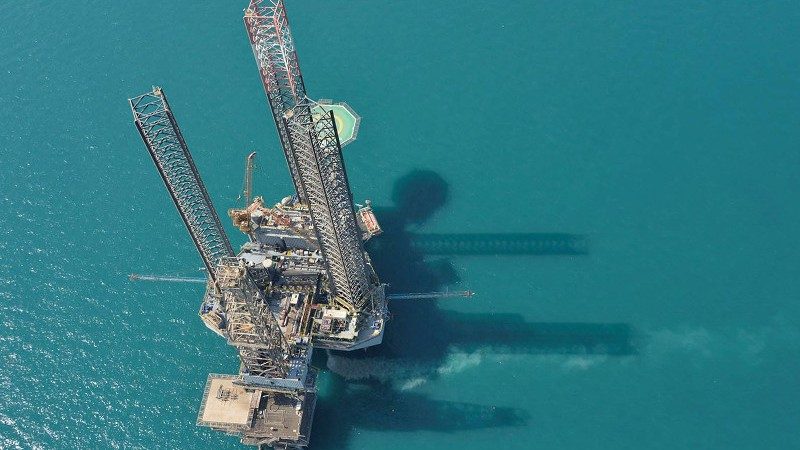
Crude and refined fuel shipments through the Strait of Hormuz have collapsed to a fraction of historical volumes, signaling a prolonged supply deficit that threatens to drive up global energy costs and widen crack spreads.
Oil flows through the Strait of Hormuz have averaged just 2 million barrels per day recently, down from 4.8 million in July and 18 million before the conflict. Tanker tracking data from Kpler indicates current traffic represents barely 11 percent of pre-war volumes. This physical bottleneck has transformed what markets anticipated as a brief disruption into a protracted supply crisis.
The shortage is most acute in refined products, with a diesel deficit brewing since spring poised to worsen ahead of autumn and winter demand. Both the Middle East and Russia were major refined fuel exporters before the war altered global trade routes. Consequently, the physical market is tightening even as benchmark futures prices fail to reflect the full severity of the shortage.
Market observers warn that headline crude prices obscure the real distress in usable fuels. Jeff Currie recently noted that “nobody on the planet earth consumes crude oil,” echoing earlier assessments by Energy Aspects’ Amrita Sen. Brent crude may trade at $91 per barrel, but this benchmark does not capture the extreme tightness in the physical products market.
Regional export volumes underscore the scale of the disruption. Iran’s oil exports have plummeted to 294,000 barrels per day since early August, a sharp drop from 1.7 million daily last year. Across the broader Middle East, total oil exports have averaged 9.5 million barrels per day this month, down significantly from the 21 million daily average recorded in 2025.
The International Energy Agency now projects a global oil supply decline of 4.3 million barrels per day for the full year, revising its previous estimate of 3.7 million. This adjustment points to a supply shortfall of 1.27 million barrels per day. Without these physical barrels reaching refineries, the market faces a structural deficit rather than a temporary imbalance.
This deficit will inevitably drive higher crack spreads and elevate end prices for gasoline, diesel, and jet fuel. Because energy costs underpin broader economic activity, sustained price increases will ripple through corporate margins and consumer spending. Investors and executives must now price in a prolonged period of elevated energy inflation.
Attempts to bypass the chokepoint remain fraught with risk. While Saudi Arabia has redirected some flows, the United Arab Emirates recently accused Iran of firing two ballistic missiles at its territory. Furthermore, ADNOC tankers have frequently become targets of Iranian strikes, undermining regional export alternatives.
Diplomatic off-ramps appear nonexistent, with both Washington and Tehran signaling a willingness to endure economic pain for the long haul. Any new pipeline infrastructure designed to circumvent the strait would require years to construct. Until the geopolitical stance shifts, the global energy market will remain constrained by this severe physical shortage.