American Airlines adds seatback screens and premium cabins to close profit gap
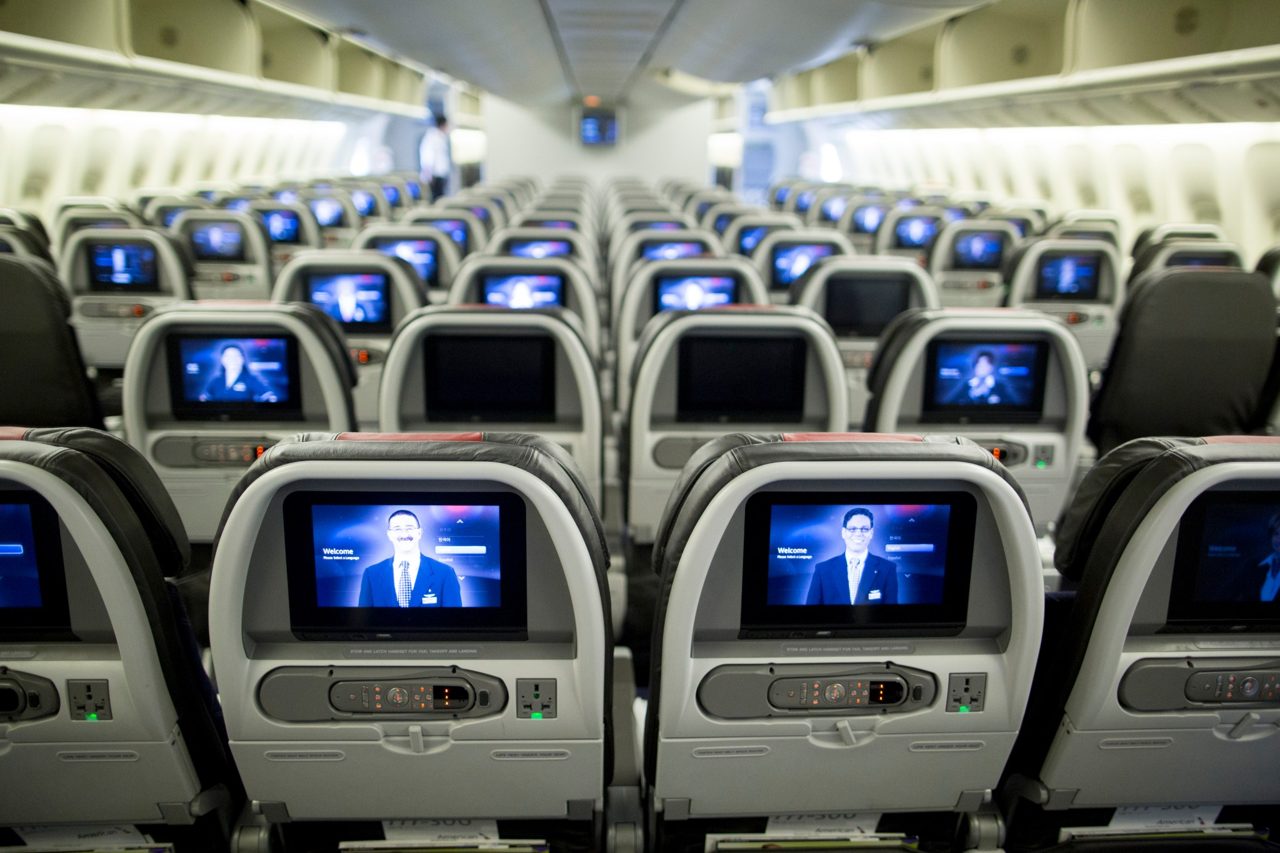
The carrier is reinstalling seatback screens and expanding premium seating on new narrow-body aircraft as it seeks to close a multi-billion-dollar profit margin gap with rivals Delta and United.
American Airlines announced Tuesday it will install 4k seatback screens with USB-C fast charging ports and Bluetooth audio on all new narrow-body Airbus and Boeing aircraft starting in 2028. The carrier is also increasing premium seating across its fleet and rolling out a Starlink Wi-Fi system on 500 narrow-body planes next year.
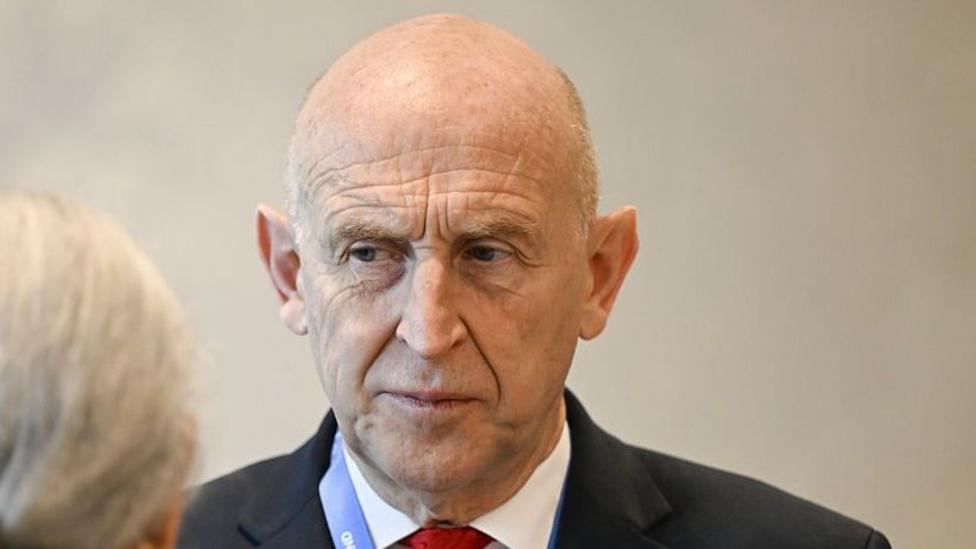
The hardware upgrades are central to Chief Executive Robert Isom’s strategy to close a steep profitability gap with industry peers. American generated over $54 billion in revenue last year, but United produced roughly $3 billion more in profit in 2025, while Delta earned nearly $5 billion more. Isom recently told CNBC that the company’s “long-range plan is certainly making up the margin gap.”
Heather Garboden, American’s chief customer officer, said: “From next-generation seatback entertainment at every seat to substantially more premium seating options, these enhancements will give our customers more ways to relax, stay connected, and enjoy their journey.” The move reverses a nearly decade-old industry trend where carriers removed screens to offset hardware maintenance costs and reduce aircraft weight.
This pivot reflects a broader shift among major U.S. carriers toward high-yield premium products as the low-cost segment contracts. Delta recently debuted a luxury 180-degree flatbed suite on its new Airbus A350-1000 aircraft, while Southwest ended its open-seating policy to introduce extra-legroom and assigned seating options.
Delta Chief Executive Ed Bastian stated that the carrier is not a low-cost airline and cannot win by providing the cheapest product. “We have to be able to win by providing the best,” he added.
Southwest Chief Executive Bob Jordan noted that 88 percent of potential customers who avoided the airline wanted assigned seating. He added: “You’ve gotta follow your customer.”
The push for premium revenue arrives as airlines face severe cost pressures from volatile fuel markets. The International Air Transport Association projected jet fuel prices could surge 70 percent this year, creating a $100 billion industry bill, with American and United each expecting $6 billion in extra fuel costs.
Isom acknowledged on a recent earnings call: “There’s been a tremendous amount of volatility in the fuel curve. American is well-poised to operate in an environment of volatility.”
Meanwhile, the collapse of Spirit Airlines in May followed consecutive Chapter 11 bankruptcies and a failed federal bailout. The shutdown has removed a major low-cost competitor and reduced budget travel options for consumers.