Asian stocks fall as chip slump, Iran strikes lift oil
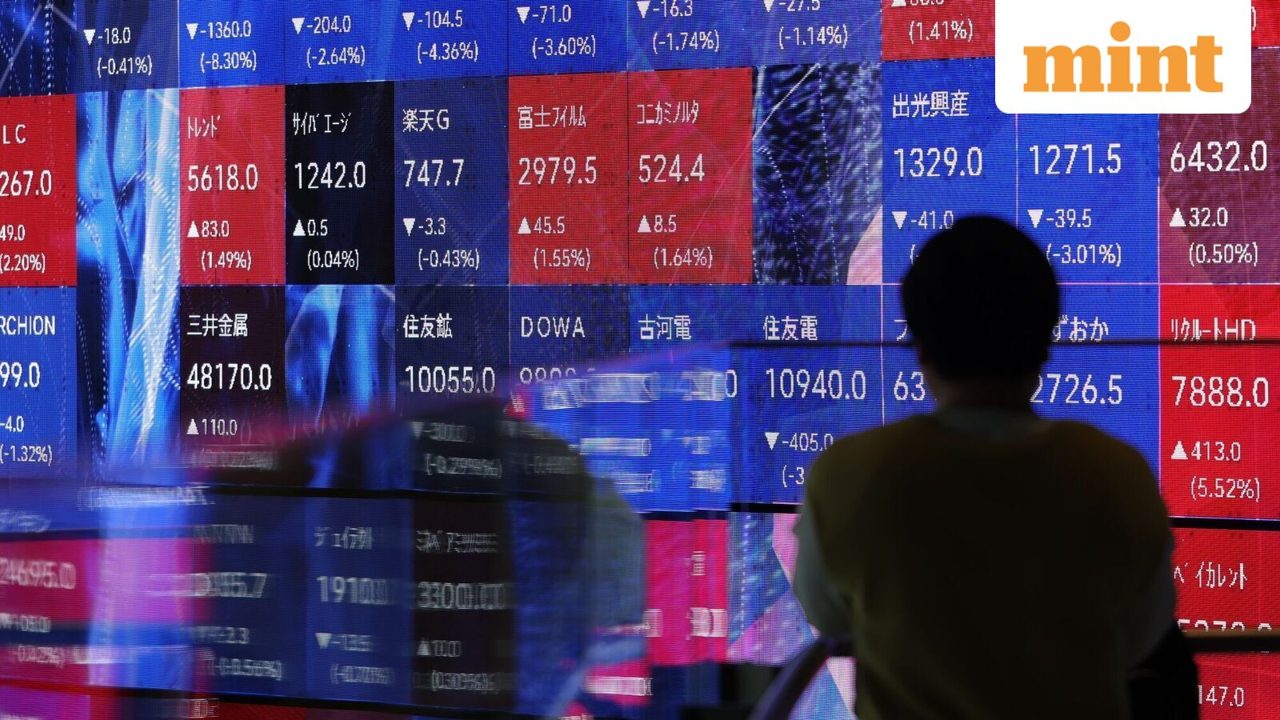
Semiconductor stocks dragged Asian markets lower while US strikes on Iran pushed Brent crude above $85, challenging the viability of the AI-driven equity rally.
Asian equities dropped sharply on Thursday as a renewed sell-off in semiconductor stocks threatened to derail the artificial intelligence-driven market rally. South Korea's Kospi plunged as much as 6%, leading regional losses, while Japan's Nikkei 225 fell 2.4% and the broader Topix index slipped 0.9%.
The severe fluctuations in chip stocks have brought the sector's elevated valuations into sharp focus. Market professionals are now actively evaluating whether robust corporate earnings can actually justify the massive premiums priced into AI-related technologies, or if the broader rally has simply run out of momentum.
These equity pressures were compounded by a surge in energy prices. Brent crude rose for a fourth consecutive session to trade above $85 a barrel after the United States launched fresh strikes on Iran. The escalating tensions in West Asia have fueled persistent fears that global energy supplies could face significant disruptions.
The sudden oil spike threatens to undermine the market optimism that dominated Wall Street's previous session. On Wednesday, US equities rallied on softer-than-expected inflation data and upbeat earnings, pushing the Nasdaq Composite up 0.6% to 26,269.23 and the S&P 500 up 0.4% to 7,572.43. That data had briefly reduced expectations for near-term Federal Reserve rate hikes and eased Treasury yields.
However, the worsening conflict in the Persian Gulf has revived underlying inflation anxieties. Those concerns are already manifesting in parts of Asia. The Bank of Korea raised its benchmark policy rate on Thursday for the first time since January 2023, responding to headline inflation climbing to 3.2% in June. The central bank explicitly warned that hefty performance bonuses paid by major IT companies could trigger broader wage growth, adding further upward pressure on consumer prices.
The combination of a tech valuation correction and rising geopolitical risk drove a clear shift toward safer assets. Government bonds in Australia and New Zealand opened higher. US stock futures were largely flat in overnight trading, with Dow Jones futures edging up 15 points. Meanwhile, Australia's S&P/ASX 200 opened flat, and Hong Kong’s Hang Seng futures pointed to a higher open at 24,829, compared to a Wednesday close of 24,681.1.