Crude Extends Gains Amid Strait of Hormuz Uncertainty and Iraqi Rerouting
Crude oil prices extended their rally to a four-day high as conflicting signals over the Strait of Hormuz and proactive export rerouting by Iraq highlight growing supply chain vulnerabilities for global energy markets.
Brent crude futures rose 26 cents to $91.28 a barrel in early Wednesday trading, marking a fourth consecutive daily gain. West Texas Intermediate crude also advanced 37 cents to $85.31, following Tuesday’s settlement at levels not seen since late July.
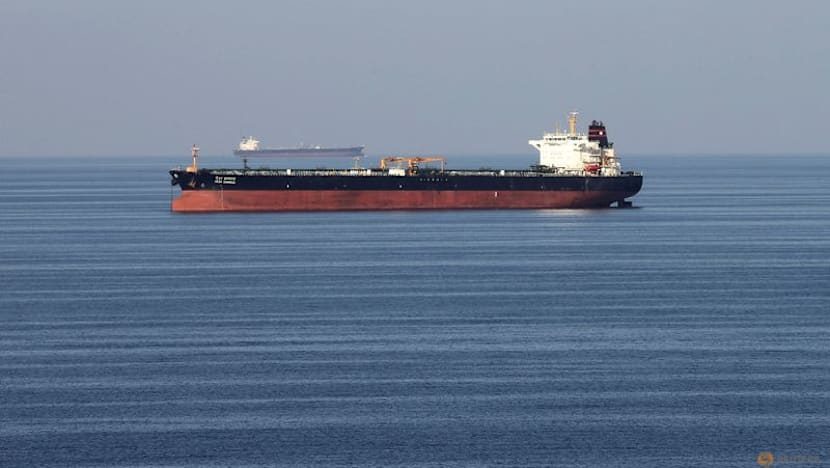
The upward momentum reflects mounting investor anxiety over potential supply disruptions in the Middle East. Conflicting diplomatic signals have left markets guessing about the actual navigability of the Strait of Hormuz, a critical chokepoint for global oil shipments.
U.S. President Donald Trump stated on Tuesday that no negotiations are currently underway with Iran, while maintaining that the waterway remains open to maritime traffic. This directly contradicts assertions from Tehran, where a senior official indicated a shift to a "fully offensive" military posture following the expiration of a temporary ceasefire on Monday.
Anticipating prolonged logistical friction, the Iraqi government is actively bypassing the contested strait to protect its export revenues. The cabinet approved new three-month contracts starting September 1, enabling crude shipments through specialized international and local companies via alternative outlets.
This operational strain is already reshaping corporate risk management across the shipping sector. Two major Chinese shipping enterprises have halted tanker movements through both the Strait of Hormuz and the Bab al-Mandeb strait. They are instead aggregating oil cargoes outside the Gulf, according to industry executives, tanker trackers, and ship brokers.
Underlying market fundamentals are also providing price support ahead of official data releases. The American Petroleum Institute reported a decline in U.S. crude and distillate inventories last week, alongside a build in gasoline stocks.
Market participants are now awaiting the Energy Information Administration’s official inventory report at 1430 GMT. Analysts project a draw of approximately 600,000 barrels in crude stocks for the week ending August 14, which could further tighten the near-term supply outlook.
For energy investors and corporate planners, the divergence between diplomatic rhetoric and on-the-ground shipping adjustments signals elevated risk premiums. Until the diplomatic stalemate resolves or alternative supply routes are fully proven, crude markets will remain highly sensitive to any escalation in the region.