Asian Equities Slide as Chip Selloff Deepens Amid Rising US Yields
Asian stocks and global technology shares fell sharply as escalating Middle East tensions and surging US bond yields prompted investors to reassess monetary policy and corporate borrowing costs.
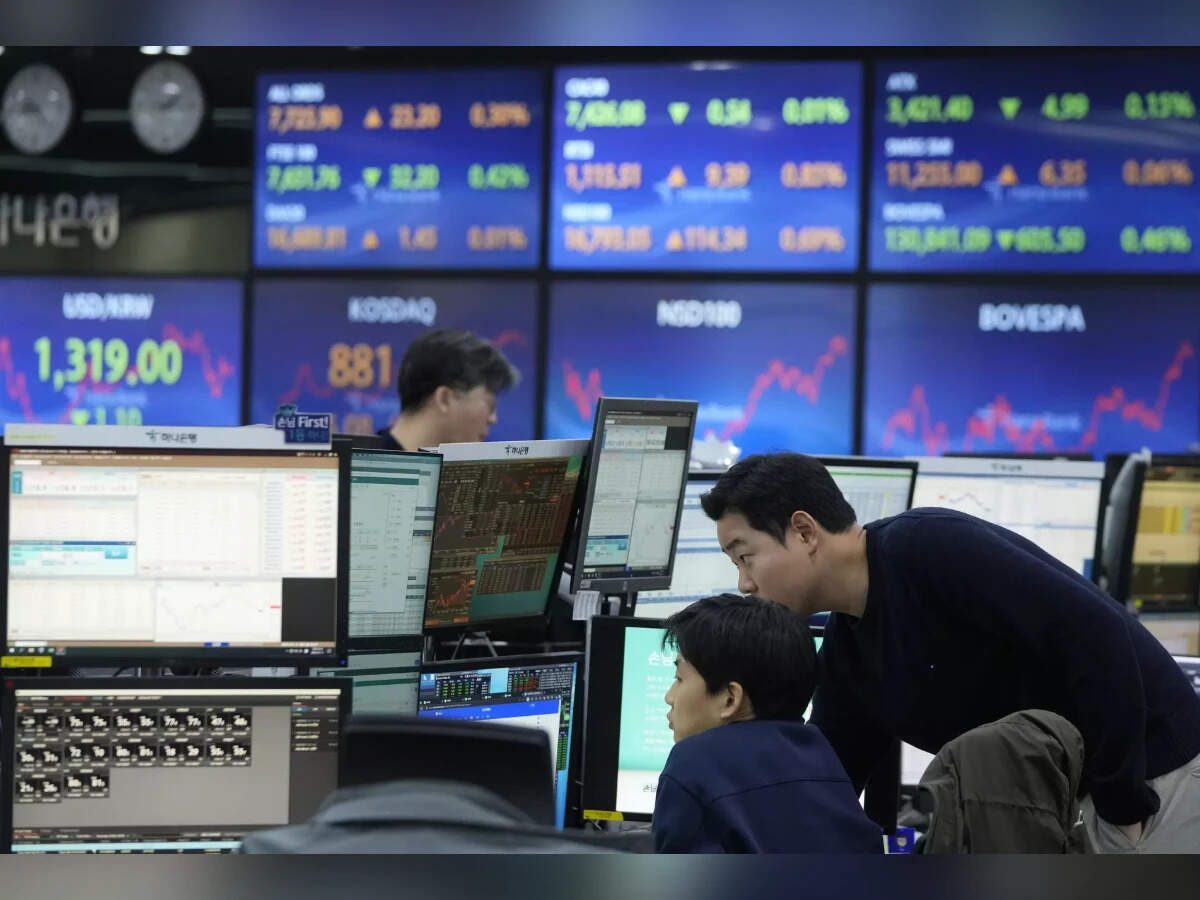
Asian equities declined on Wednesday, led by a severe slump in South Korean technology stocks. The MSCI Asia Pacific benchmark dropped more than 1 percent, while shares in South Korea plummeted nearly 6 percent. Chipmakers Samsung Electronics Co. and SK Hynix Inc. both fell around 7 percent, extending a broader selloff after a US semiconductor gauge sank 5 percent.
The risk-off sentiment quickly transmitted to US markets, with Nasdaq 100 Index contracts edging lower following a 1.7 percent slide in the underlying gauge. Investors are increasingly pricing in the economic drag of elevated borrowing costs and geopolitical instability.
In the fixed-income market, a global bond selloff pushed the 30-year Treasury yield earlier in the session to levels not seen since 2007. Although 10-year yields edged slightly higher by Tuesday’s close, they remain near their highest points since early 2025. This harsh funding environment, characterized by widening credit spreads and a surge in supply, already prompted at least seven issuers to cancel planned bond deals on Tuesday.
Kazunori Tatebe, chief strategist at Daiwa Asset Management, warned that markets are likely to remain in a risk-off mode given the uncertain Middle East outlook and elevated yields. "Higher yields will increase borrowing costs for hyperscalers, raising questions about the outlook for capital spending and the potential impact on AI infrastructure companies," he said.
Compounding the financial pressure, Middle East tensions intensified after the United Arab Emirates reported that two Iranian ballistic missiles fired toward the country fell into the sea. This marks the first known attack on the Gulf nation since May. Consequently, Brent crude rose 0.3 percent to $91.30 a barrel as the US and Iran remain deadlocked over control of the Strait of Hormuz, while gold extended its losses to trade just below $4,340 an ounce.
Fawad Razaqzada at Forex.com noted that the combination of higher energy and long-term borrowing costs is becoming increasingly uncomfortable, prompting equity investors to go defensive. Dan Pan, Americas economist at Standard Chartered, added that Middle East uncertainty keeps the market on edge, with inflation risks piling on top of fiscal concerns to drive up US long-term yields.
Investors are also rapidly reassessing the trajectory of US monetary policy. Just over a third of traders are now pricing in a Federal Reserve rate increase, a notable jump from last week’s expectations.
Market participants are awaiting Wednesday’s release of the Fed’s latest meeting minutes for clues on policymaker thinking, especially as Chairman Kevin Warsh has scaled back public communications. Kay Herr, US chief investment officer for JPMorgan’s global fixed-income, currency, and commodities team, highlighted the anxiety surrounding this opacity. "Markets are worried about, what’s the reaction function of the Fed?" Herr said, adding that the market does not love the lack of forward guidance.