Hong Kong yuan fast-payment volumes reach six-month high of 350.3 billion yuan
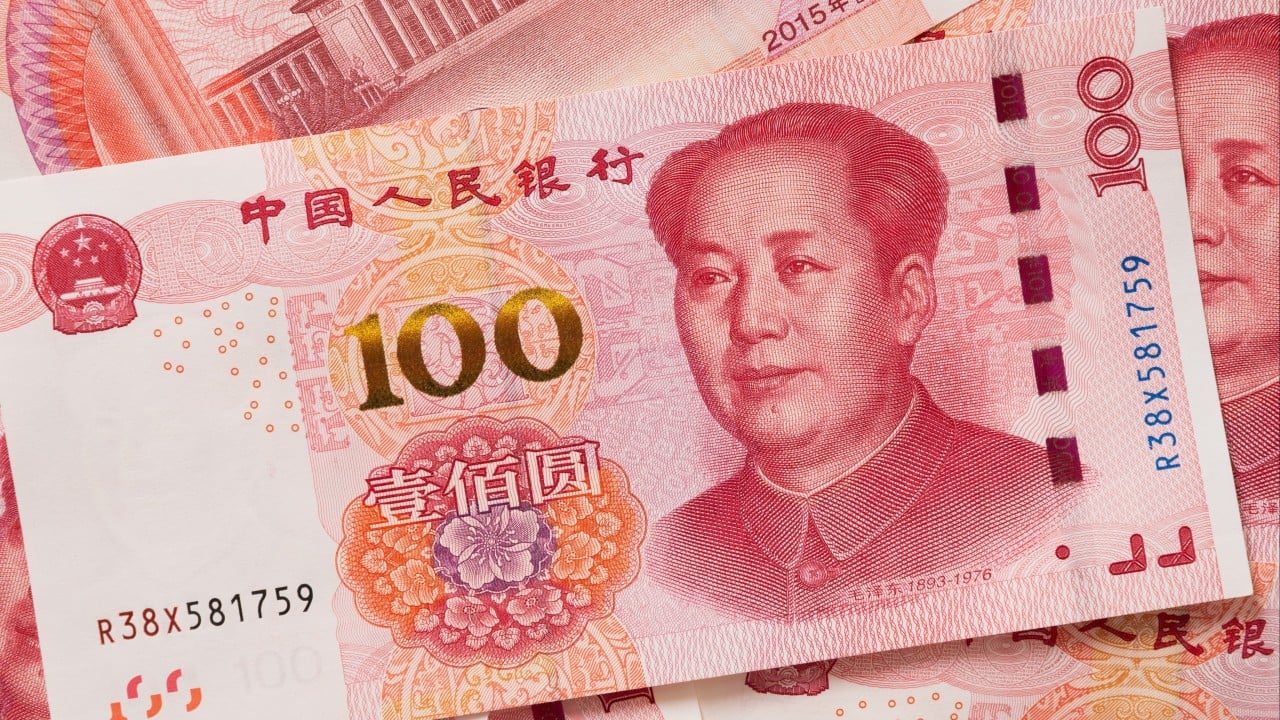
Transaction values in Hong Kong’s Faster Payment System surged to 350.3 billion yuan in July, signaling accelerating retail and structural adoption of the Chinese currency in cross-border finance.
Transaction values for yuan-denominated payments through Hong Kong’s Faster Payment System (FPS) reached 350.3 billion yuan, or US$60 billion, in July. This represents a 34 per cent increase from February levels, according to data released Tuesday by Hong Kong Interbank Clearing Ltd.
On a year-on-year basis, the transaction value climbed 16.8 per cent. The sustained surge underscores a measurable shift in how the Chinese currency is utilized across the border.
The Payment Connect mechanism has served as a primary driver for this rapid expansion. By directly linking Hong Kong’s FPS with mainland China’s internet banking payment system, the channel facilitates instantaneous, small-value cross-border transfers that were previously more cumbersome to execute.
Consequently, daily usage has broadened significantly beyond traditional institutional capital flows into everyday retail transactions. Individuals are now increasingly relying on this integrated system to settle university tuition fees, cover medical expenses, and manage cross-boundary salary remittances with greater efficiency.
Gary Ng, senior economist for Asia-Pacific at Natixis Corporate and Investment Bank, observed that the current metrics reflect a "broader structural trend of growing renminbi payment demand." He emphasized that the Payment Connect mechanism serves as an "additional catalyst by expanding cross-border use cases."
Ng also noted that the recent growth was "partially due to the ongoing migration of payment infrastructure" towards the FPS system. This infrastructural shift is gradually embedding the yuan deeper into the daily financial operations of both Hong Kong and mainland users.
For investors and financial institutions, this trajectory highlights the increasing practical utility of the yuan outside mainland borders. As retail and small-value commercial use cases multiply, the currency’s foundational role in regional trade settlement and cross-border wealth management is positioned to strengthen further. This evolution provides market participants with clearer signals about the long-term internationalization of the Chinese currency.