US refiners post record earnings as global fuel shortages deepen
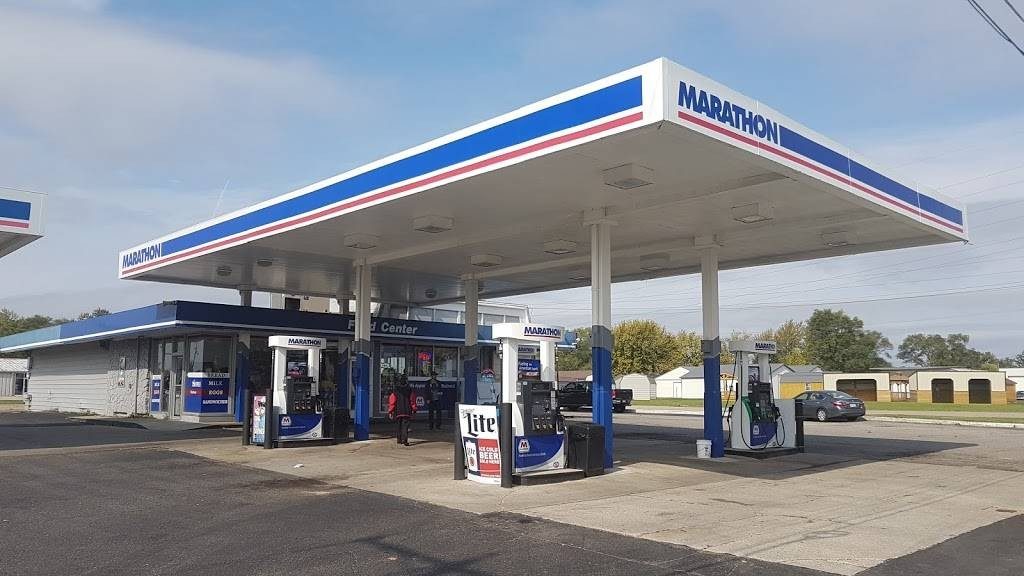
American refiners and integrated energy majors delivered record second-quarter profits as wartime disruptions and constrained global processing capacity drove refined fuel margins to historic highs.
U.S. refiners and integrated energy companies reported record second-quarter profits, driven by a severe global shortage of refined fuels. While Brent crude has retreated to roughly $90 per barrel from a wartime peak of $126, the gap between crude and refined product prices has widened dramatically.
Global refinery throughput fell nearly 5 million barrels per day in July compared to the previous year due to Middle Eastern constraints and Ukrainian strikes on Russian facilities. Consequently, the U.S. diesel crack spread reached an all-time high of $102.20 per barrel on Monday, allowing domestic processors running at near-record utilization to capture immense value.
The Oil & Gas Refining & Marketing sub-industry led the S&P 500 Energy sector with 327 percent earnings growth and 42.5 percent revenue growth. This performance easily outpaced the broader sector’s 36 percent gain, highlighting how processing margins are currently outweighing raw commodity price movements.
Marathon Petroleum earned $5.14 billion in the second quarter, more than quadrupling its year-earlier profit, as refining margins doubled to $36.33 per barrel. The company processed 2.9 million barrels per day at 94 percent capacity, capturing 112 percent of the benchmark margin through discounted Canadian heavy crude.
Goldman Sachs analyst Neil Mehta called the margin capture “very strong” during the earnings call. CEO Maryann Mannen attributed the outperformance to strategic crude sourcing and the ability to capitalize on regional supply disruptions.
Phillips 66 saw adjusted earnings jump nearly 300 percent year-over-year to $9.41 per share as its refining margins doubled to $24.08 per barrel. The company used the cash windfall to reduce total debt by $6.6 billion and approved final investment for a 1,300-mile pipeline joint venture with Kinder Morgan and HF Sinclair.
Chevron delivered its best quarter in six years, with adjusted earnings reaching $12 billion as worldwide production hit a record 4.07 million barrels of oil equivalent per day. Downstream profits surged to $4.9 billion, while the company captured $1.5 billion in run-rate synergies from its Hess acquisition six months ahead of schedule.
Valero Energy posted a record $3.7 billion profit as refining operating income tripled and its renewable diesel business swung to a $717 million profit. However, the company faces a near-term operational challenge at its Port Arthur facility, where a March explosion destroyed a 47,000-barrel-per-day diesel hydrotreater that is expected to cost $250 million to rebuild.
Beyond traditional hydrocarbons, Bloom Energy has surged 166.3 percent this year by supplying fuel-cell systems to data center developers. These systems can be deployed in 90 days, allowing hyperscalers to bypass multi-year waits for grid connections to power artificial intelligence infrastructure.