London Emission Zone Cuts Child Lung Impairment as Pollution Deaths Fall 40%
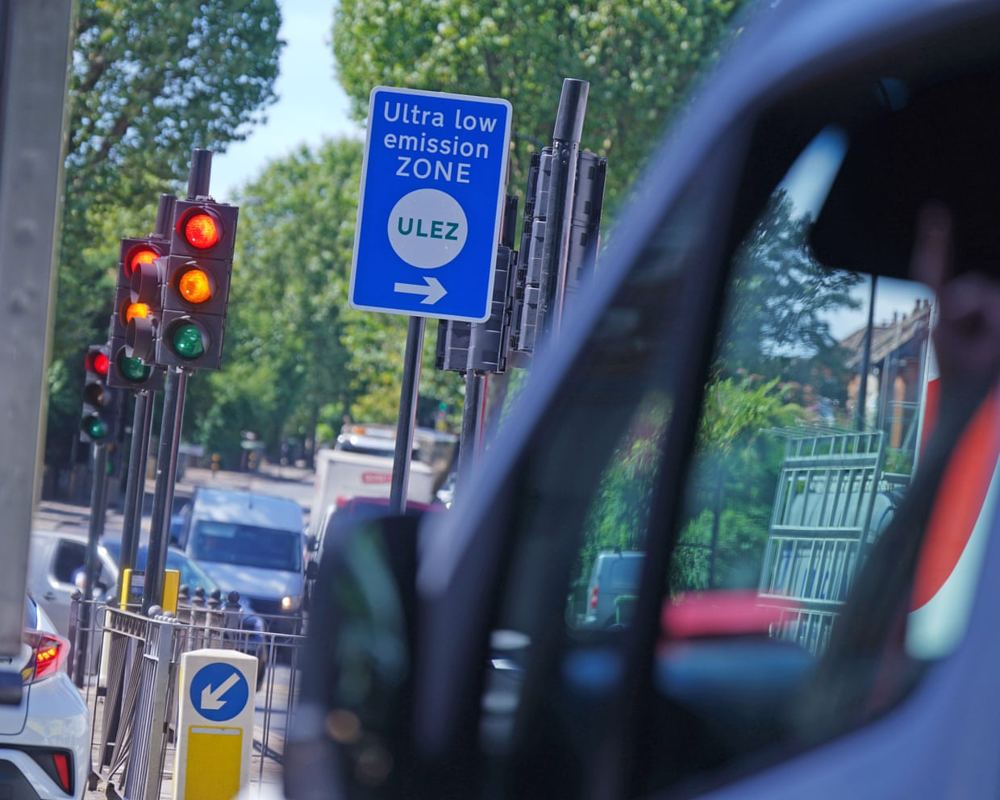
London’s ultra-low emission zone has significantly improved children’s lung function and slashed pollution-related deaths, offering a proven regulatory blueprint for global cities and reinforcing the economic case for strict urban environmental policies.
London’s ultra-low emission zone (Ulez) has driven a measurable recovery in children’s lung health and a sharp decline in pollution-related mortality, according to new independent research. The findings validate the city’s aggressive environmental regulations, which initially faced intense political and public opposition.
A five-year study by Queen Mary University of London tracking over 3,400 children found that the proportion of young Londoners with clinically impaired lung function dropped from 14% to 9%. During this period, exposure to nitrogen dioxide fell twice as fast in the capital compared to the control group in Luton.
The health benefits extend beyond pediatric development. Research from Imperial College London indicates that estimated deaths associated with air pollution in the capital fell by approximately 40% between 2019 and 2024. Furthermore, King’s College London notes that the city achieved legal nitrogen dioxide limits 184 years earlier than previously projected without intervention.
For policymakers and urban planners globally, the London model demonstrates that stringent low-emission zones can deliver rapid, quantifiable public health returns. This reduces long-term healthcare burdens and provides a regulatory template for other major metropolitan areas considering similar traffic restrictions.
For investors and the automotive sector, the sustained success of the world’s largest clean-air zone reinforces the structural shift away from high-emission vehicles in dense urban centers. It underscores the growing market certainty around emissions-compliance infrastructure and the accelerated adoption of cleaner transport alternatives.
Mayor Sadiq Khan, who expanded the scheme citywide in 2023, stated the policy was aimed at "protecting the lives of London’s most vulnerable people" rather than penalizing motorists. With local measurements at sites like The Aldgate school showing a 48% drop in nitrogen dioxide levels compared to 2016, the economic and health rationale for the policy is now firmly established.