Independent Film Producers Test Equity-Centered Production Models
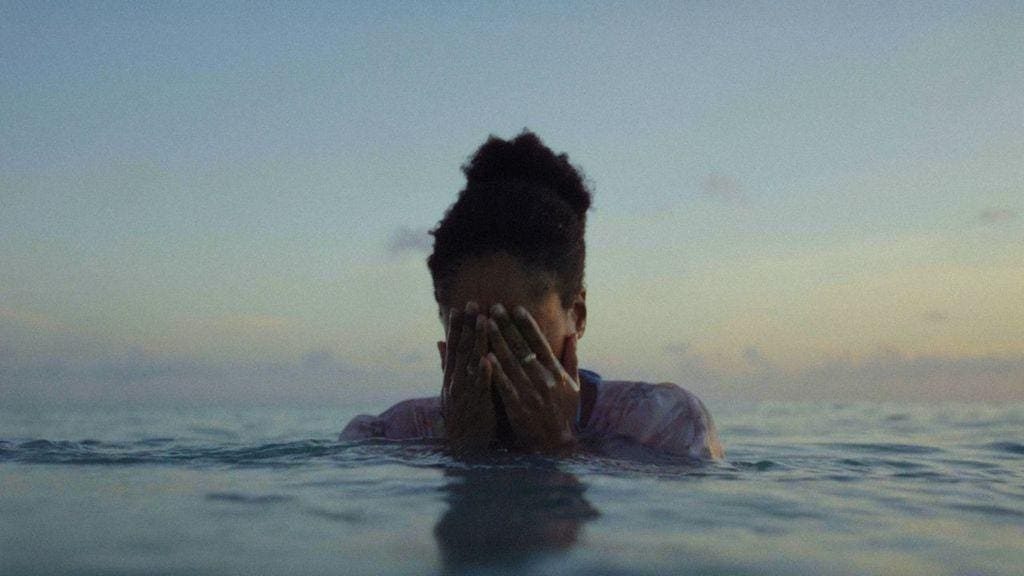
Female directors at the Martha’s Vineyard African American Film Festival are showcasing independent production structures designed to align commercial viability with diverse creative leadership.
Independent film producers are increasingly testing production models that integrate equity-centered creative processes with commercial ambitions. At the recent Martha’s Vineyard African American Film Festival, several women-led projects highlighted this structural shift in independent cinema development.
Aisha Evelyna’s debut feature "Seahorse" serves as a primary example of this approach. Evelyna is reportedly the first Black Canadian woman to write, direct, and star in a Canadian feature film. She developed the project with a crew predominantly led by women and women of color, such as producer Natalie Remplakowski and associate producer Nancy Morski.
The narrative follows a sous chef whose pursuit of stability is disrupted by her estranged father. The project premiered in the Narrative Feature Competition at SXSW 2026 and earned a Best Feature Film nomination at the Martha’s Vineyard festival on August 10. The cast features Joseph Marcell and marks the feature debut of Rowan Sutherland.
Beyond production structure, the festival showcased content targeting specific, underserved audience demographics. Kiah Clingman’s psychological thriller "H.P.V." stars Taylor Polidore Williams and addresses gaps in women’s healthcare navigation.
"I made H.P.V. because I was tired of how much shame, stigma, and silence can surround women’s reproductive health," Clingman said. She added that she wanted to transform a vulnerable experience into a narrative that makes women feel seen and less alone.
Documentary projects are also leveraging high-profile talent to elevate historical narratives and drive audience engagement. Rita Coburn’s "W.E.B. Du Bois: Rebel With a Cause" features voice performances from Common, Jeffrey Wright, Courtney B. Vance, and narrator Viola Davis.
Coburn structured the documentary around Du Bois’s own writings from his extensive body of work, which includes at least 21 books. Biographer David Levering Lewis recommended Vance for the project, while Coburn noted Davis’s connection to the communities Du Bois advocated for made her a natural fit for narration.
These projects illustrate a segment of the independent film market where creators are building audiences around socially driven content. Coburn advised emerging documentarians to pursue grants and attend festivals, emphasizing the need to persist until passion projects become commercially viable.