Canadian negotiators push for trade accord ahead of 50 percent US tariff deadline
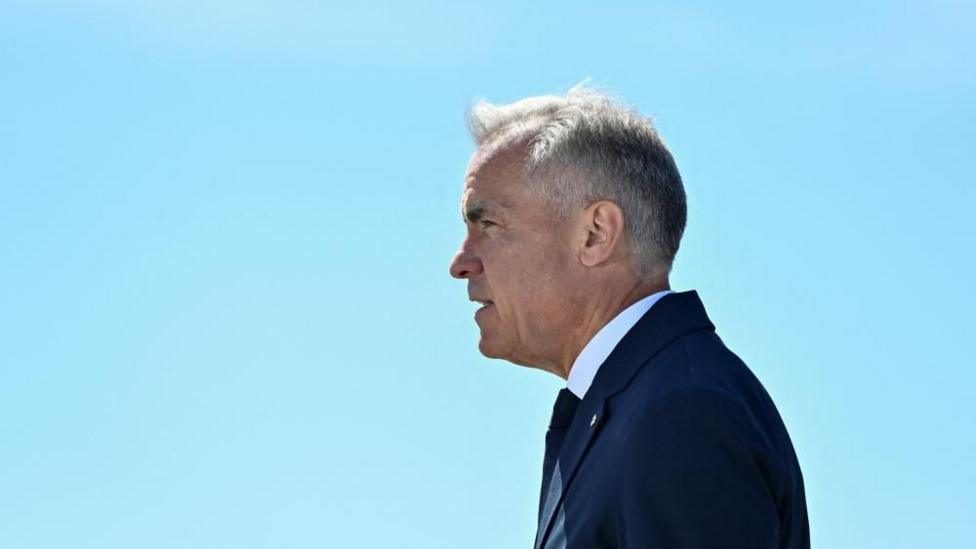
Canadian and American negotiators are racing to finalize a trade agreement to avert a 50 percent tariff on 20 billion dollars of Canadian imports, a deadline that threatens to disrupt cross-border supply chains and strain domestic political consensus.
Canadian negotiators remain in Washington in intensive final discussions to prevent a 50 percent tariff on approximately 20 billion dollars of Canadian imports from taking effect on Wednesday. The levies, which would impact roughly 5 percent of all Canadian goods entering the United States, are scheduled to begin in less than 48 hours.
The impending financial squeeze poses significant risks to integrated North American manufacturing and resource sectors. Canadian officials are seeking the removal or reduction of existing American duties on steel, aluminium, automobiles, and lumber to offset the economic damage already sustained by their domestic industries.
In return, the Trump administration is demanding that Canada eliminate remaining retaliatory tariffs on American automobiles and adjust its dairy import quotas. Washington also wants an end to provincial bans on United States alcohol sales, which were implemented last year in response to earlier American duties.
Securing these concessions requires Prime Minister Mark Carney to navigate complex domestic politics and secure buy-in from provincial leaders who control key jurisdictions. Ontario Premier Doug Ford stated that restoring American alcohol to store shelves is strictly conditional on protecting Canadian industries.
"If we get a fair deal that will protect our steel sector, our auto sector, our forestry sector, our agriculture sector, our manufacturing sector, then we'd be happy to bring booze back on the shelves," Ford said. Meanwhile, Quebec Premier Christine Fréchette has declared the dairy supply management system entirely non-negotiable.
The negotiations have been characterized as highly contentious by both sides. President Trump characterized the Canadian stance as "nasty" and cautioned that "the time to get tougher" will arrive if the two nations fail to reach an accord.
Canadian officials maintain they are negotiating from "a position of strength" despite the high stakes. Furthermore, chief negotiator Janice Charette reportedly cautioned her American counterparts that enacting the new duties on Wednesday could jeopardize future trade discussions.
Public sentiment in Canada remains highly skeptical of making further concessions to the United States. An Abacus Data poll reveals that 74 percent of citizens feel the dispute has impacted their households, while only 18 percent support ending alcohol bans to secure tariff relief.
Carney plans to speak directly with Trump before the Wednesday deadline and indicated he has "plans for any situation that may arise" if talks collapse. Highlighting the political pressure, Conservative trade critic Shuvaloy Majumdar urged the government to secure "a measure of relief" from ongoing economic anxiety.