Power Metals moves Ontario cesium project toward 2027 production
Power Metals is advancing its high-grade Case Lake cesium project in Ontario toward early 2027 production, potentially breaking a global supply monopoly critical to Western defense and aerospace sectors.
Power Metals (TSXV: PWM; OTC:PWRMF) is advancing its Case Lake project in northeastern Ontario toward a targeted early 2027 production date. The company is developing a quarry-style operation to extract high-grade pollucite mineralization from the site.
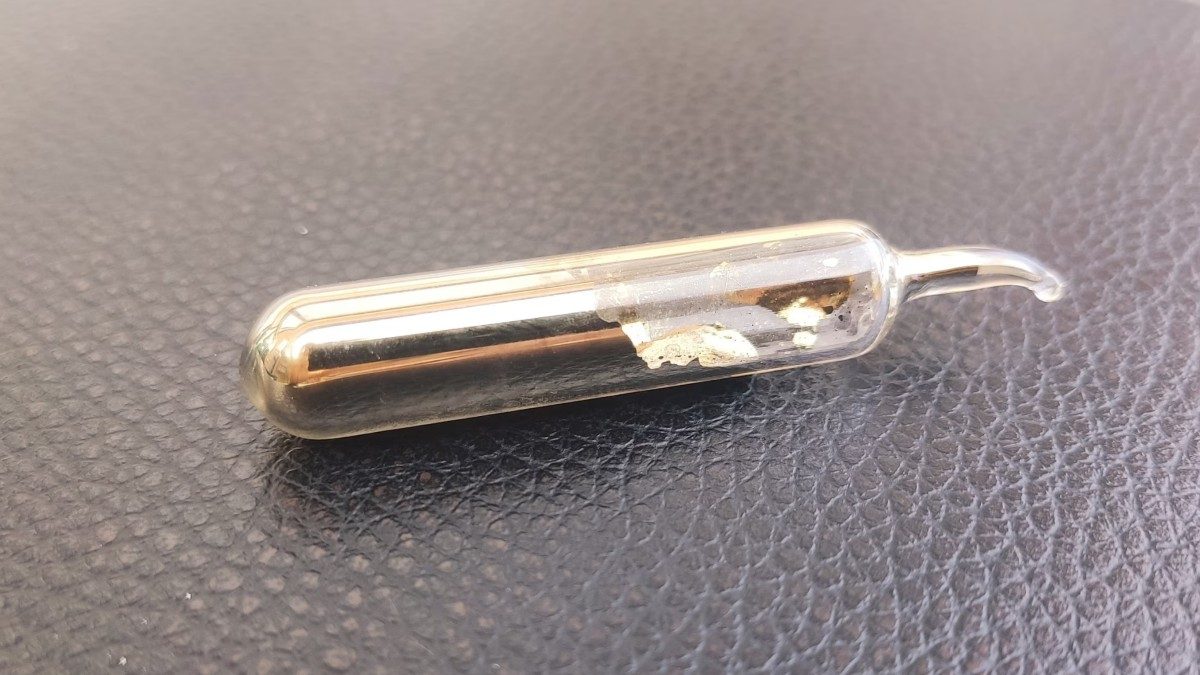
This development targets a highly concentrated global market where the United States currently imports all of its required cesium. The mineral is essential for atomic clocks, GPS systems, aerospace solar technology, and advanced defense equipment.
Global supply relies on a tiny fraction of historical producers, with most existing deposits either depleted, inactive, or controlled by foreign interests. The Tanco mine in Canada has shifted to recovering lower-grade material from stockpiles, while the Bikita mine in Zimbabwe faces export challenges under Chinese control.
Consequently, certain cesium compounds have traded at prices exceeding US$200,000 per tonne, according to Shanghai Metals Market data. Power Metals Chief Executive Haydn Daxter noted the extreme tightness of the sector, stating, “There is currently no operating source of high-grade cesium production anywhere in the world.”
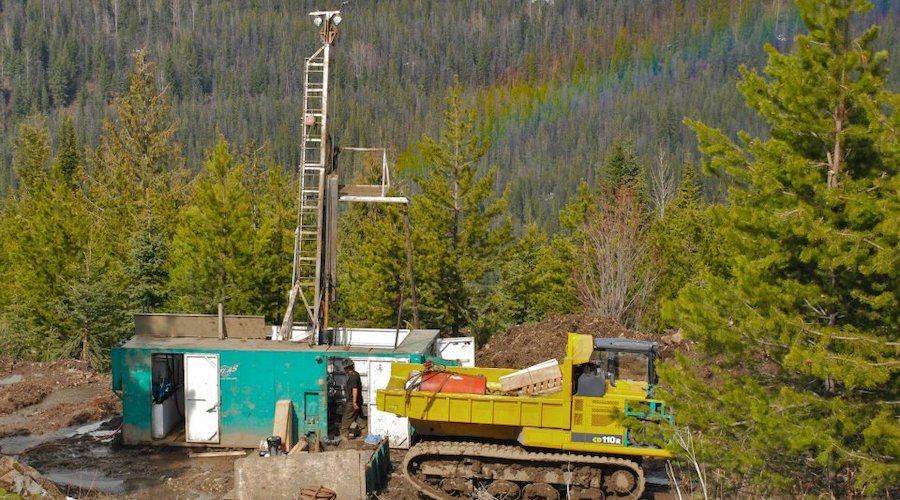
Drilling at the project’s West Joe dyke has returned intervals grading more than 20% cesium oxide, with individual lenses reaching 26%. The broader 11,000-hectare property has seen over 24,000 metres of drilling, identifying multiple lithium-cesium-tantalum pegmatite targets beyond the initial resource footprint.
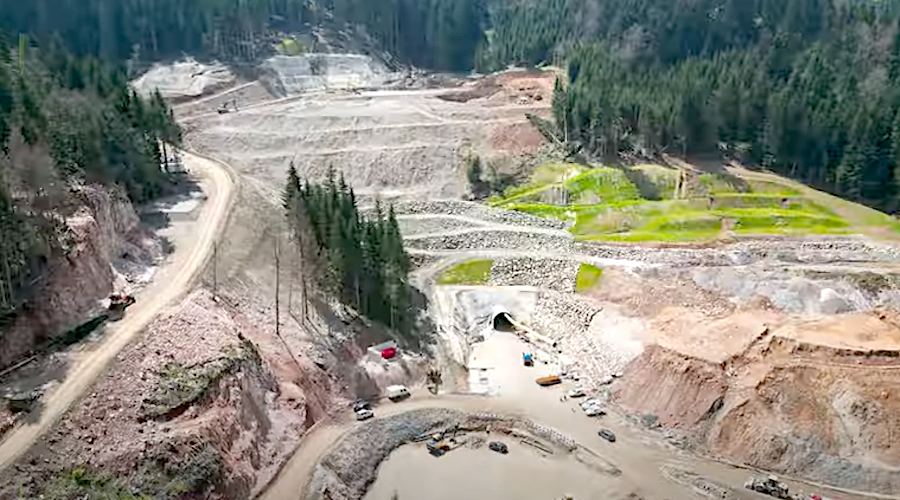
The near-surface nature of the deposit allows Power Metals to pursue a staged, quarry-style operation rather than a complex underground mine. The planned strategy involves crushing and sorting ore on-site before shipping the concentrate, which the company expects will reduce capital requirements and environmental impacts.
Chairman Johnathan More emphasized the operational advantages of this geological setup, noting that the near-surface mineralization enables a staged development approach. “We don’t need a large processing facility to produce concentrate, and that gives us a potential path to production with lower capital requirements and less complexity than many critical mineral projects,” More said.
The project has secured backing from Albemarle (NYSE: ALB), one of the few Western companies with extensive experience in cesium chemicals. Albemarle holds the cesium offtake for Case Lake, provided a US$5 million prepayment to support development, and placed former exploration executive Eric Schrimsher on the company's Cesium Advisory Committee.
Securing a domestic supply chain carries significant strategic weight for major defense and aerospace contractors. While not direct customers, companies like Lockheed Martin (NYSE: LMT) and RTX (NYSE: RTX) rely on cesium for GPS satellites, missile defense, and advanced communications, highlighting the downstream importance of resilient Western mineral sources.