China to ease panda bond rules as yuan appreciates and foreign demand rises
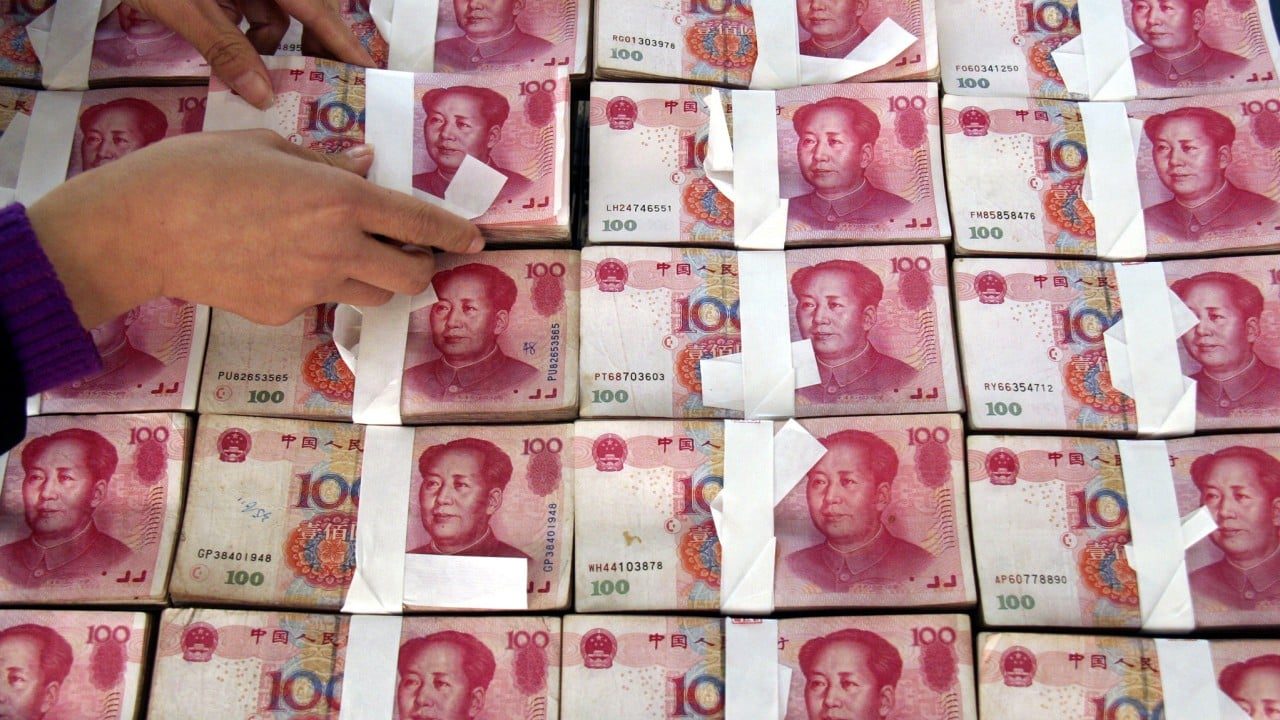
Beijing is planning further reforms to simplify panda bond issuance and trading, leveraging a stronger yuan and surging foreign demand to accelerate the currency's internationalization.
Beijing intends to introduce additional reforms to simplify the issuance and trading of panda bonds. The central bank has simultaneously committed to removing friction for international participants seeking to buy domestic currency-denominated assets.
These regulatory adjustments are central to the government's broader strategy of elevating the yuan's status in international finance. Policymakers view the recent currency strength and the corresponding spike in onshore debt appetite as clear indicators of growing worldwide acceptance of the Chinese currency.
During a Wednesday press conference, central bank officials detailed the robust performance of the currency over the first half of 2026. Despite widespread volatility across the global economy, the yuan gained 3 per cent against the US dollar. It also climbed 4.7 per cent against a broader basket of international currencies during the same six-month period.
Zou Lan, a deputy governor at the central bank, attributed this upward trajectory to fundamental market forces. “This was the result of supply and demand dynamics in the foreign exchange market and also reflected greater market confidence in China’s macro economy,” Zou stated.
The currency's strength coincides with a distinct shift in capital flows, as overseas entities increasingly target domestic debt markets. Consequently, the pool of institutions actively trading panda bonds expanded significantly.
Central bank data reveals that the number of these trading institutions reached 2,493 in the first half of the year. This figure represents a substantial addition of 599 participants compared to the same period last year, underscoring the deepening liquidity and foreign engagement in the onshore market.
For international investors and corporate treasurers, the planned regulatory easing will directly impact how they allocate capital into Chinese fixed-income products. A more accessible onshore debt market provides a crucial mechanism for diversifying portfolios, directly supporting the central bank's goal of boosting the yuan’s role as a global currency.
Ultimately, the convergence of a strengthening currency and broadening investor participation offers Beijing a strategic advantage. By systematically dismantling barriers to entry, the central bank is capitalizing on the greater market confidence in the macro economy to deepen global recognition of the currency.