Indian equities face up to nine months of rangebound trading
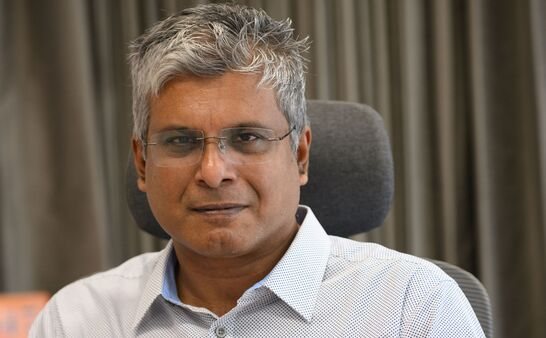
The head of Mahindra Manulife Mutual Fund expects India’s stock market to trade sideways until valuations cool and global capital rotates away from artificial intelligence, requiring investors to diversify across asset classes.
Anthony Heredia, chief executive of Mahindra Manulife Mutual Fund, forecasts that Indian equities will remain strictly range-bound for another six to nine months. The leader of the ₹38,650 crore asset manager views the prolonged sideways movement as a routine period of structural consolidation rather than a warning sign.
This extended flat period tests investor patience, particularly for retail participants who entered the market during recent years of uninterrupted gains. Heredia notes that trailing one-year returns currently fluctuate between positive and negative depending on the exact day a portfolio is reviewed.
A sustained market breakout requires three specific catalysts to converge. Corporate earnings must grow while the market stays flat to naturally cool price-to-earnings multiples, global capital must rotate out of overcrowded artificial intelligence trades, and foreign portfolio investors must eventually return.
Global fund managers have aggressively chased the artificial intelligence narrative over the past 18 months, pulling capital away from India because local listed companies lack immediate exposure to those profit pools. Conversely, domestic institutional investors continue buying aggressively, supported by steady systematic investment plan inflows and a three-to-five-year allocation horizon.
To navigate this consolidation phase, Heredia advises moving beyond domestic equities into international stocks, multi-asset funds, and hybrid products. He argues that multi-cap funds consistently outperform flexi-cap strategies by 1.5 to 2 percentage points annualized by forcing disciplined diversification across market capitalizations.
While domestic retail demand for fixed-income remains muted without distinct tax advantages over traditional deposits, foreign investors are highly bullish on Indian rupee bonds. Global inflows into local debt are robust, driven by index inclusion, portfolio diversity, and the fact that anticipated rupee depreciation has largely played out.
Heredia sees currency volatility and tariffs as already priced into the market, identifying a potential tap-out in global central bank liquidity as the primary blind spot for risk assets. Meanwhile, the emerging Specialised Investment Fund category faces an intensifying talent shortage for portfolio managers capable of executing advanced long-short and derivative strategies.