Raamdeo Agrawal sees 15% annual equity returns in India amid FII pause
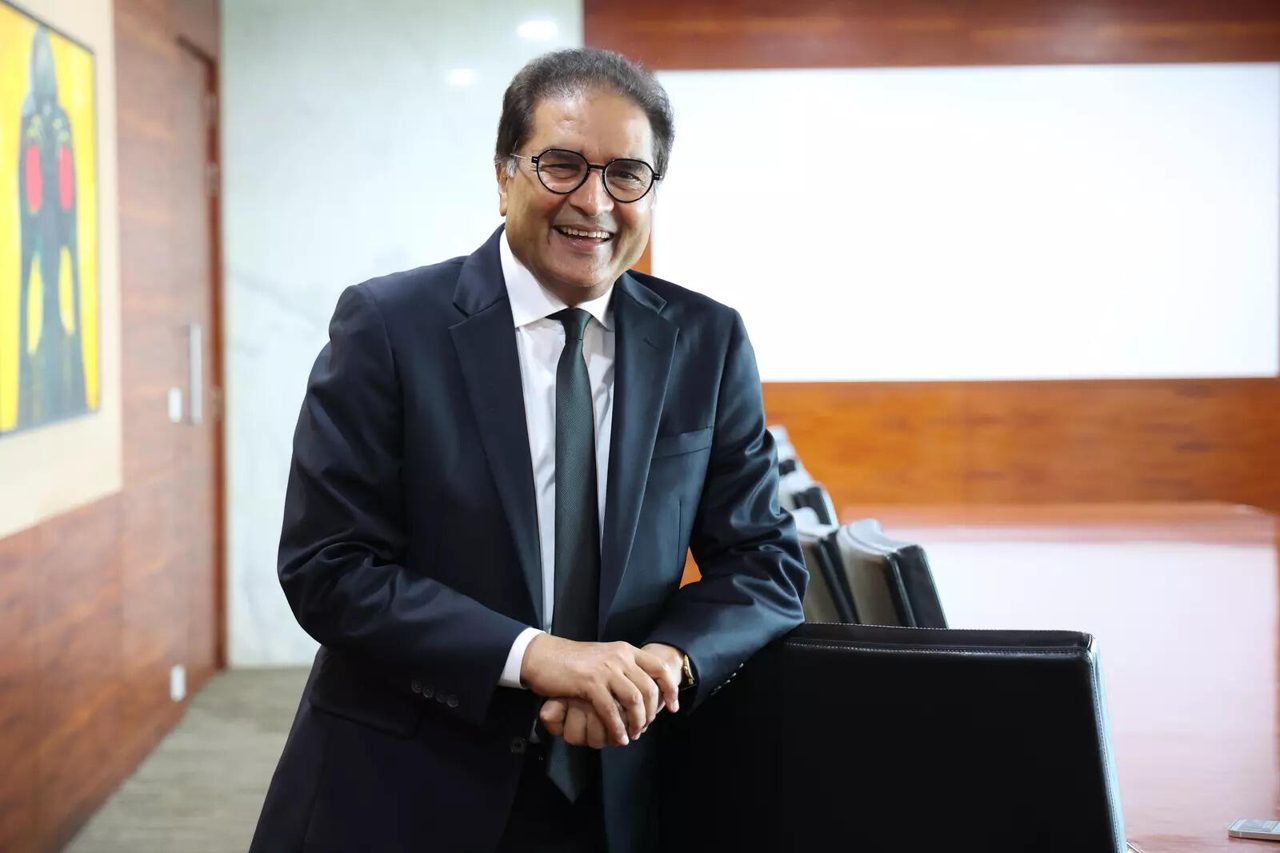
Prominent investor Raamdeo Agrawal projects Indian equities will deliver 15% annualized returns over the next five years, signaling to institutional investors that a pause in foreign selling and robust domestic credit growth are creating a favorable entry point despite near-term market stagnation.
Agrawal forecasts that Indian equity portfolios will double over the next five years, driven by an expected 15% annual return. He bases this on macroeconomic expansion of 7.5% to 8.5% and corporate profit growth of 13% to 14%, suggesting the broader index should yield 12% to 14%.
The Nifty index currently trades at a price-to-earnings multiple of 20. Agrawal notes that if corporate earnings expand by 15%, the market can comfortably absorb a multiple compression to 17 while still delivering 15% to 20% upside. He acknowledges that markets have stagnated for two years and may face another year of flat performance before this rally materializes.
Global capital has largely bypassed India recently, chasing momentum in the US, where quarterly earnings surged 47%, as well as in Taiwan and Korea. India previously served as a funding hub for emerging market allocations tied to the artificial intelligence boom, but extreme daily volatility in Korean markets has rattled foreign portfolios.
Despite this outflow, Agrawal observes that foreign institutional investors have entered a "stop selling" phase, which he believes limits further downside for Indian stocks. He does, however, flag the capital gains tax regime as a structural irritant, noting that currency depreciation forces foreign funds to pay taxes in rupees even when their dollar-denominated returns are flat.
For sector allocation, Agrawal favors domestic lenders, pointing to the most pristine balance sheets he has ever witnessed. With the national credit book standing at ₹230 to ₹240 lakh crore, an 18% credit growth rate is massive, favoring well-managed institutions like ICICI, SBI, Federal Bank, and Karur Vysya Bank.
He views the prevailing pessimism around HDFC Bank as an opportunity, describing the lender as rock solid and trading at historically depressed valuations. Conversely, the information technology sector remains "headwinded" as clients demand productivity gains from AI, though Agrawal believes the worst is over as valuations now reflect zero growth and offer a 5% to 6% free cash flow yield.
The recent withdrawal of the Zepto initial public offering underscores a harsh reality for high-growth startups. As a large investor in Zepto, Agrawal argues that public markets demand quarterly profitability and cannot tolerate the customer acquisition losses that private investors accept, making the listing attempt premature.
Looking at global themes, he dismisses fears of an AI bubble collapse, noting that $2 trillion to $3 trillion in annual global capital expenditure is tangibly boosting sectors like construction and cables. On domestic market structure, he views recent disruptions around the closing auction system as typical growing pains of long-term regulatory reforms overseen by Sebi.