CLARITY Act odds collapse to 10% ahead of White House crypto summit

Galaxy Digital has slashed the probability of US crypto market-structure legislation passing this year to 10%, setting up a high-stakes White House meeting between regulators and industry leaders as the Senate's window narrows.
Galaxy Digital has cut its estimate of the CLARITY Act passing in 2026 to just 10%, down from 75% in May, as the US Senate faces only 14 sitting days after reconvening on September 14. The collapse in odds puts the most consequential crypto market-structure bill in years at serious risk of dying on the floor.
Unless a motion to proceed is voted on immediately when lawmakers return to Washington, the bill would need to "dominate basically the entire working session" to clear Congress, according to Galaxy head of research Alex Thorn.
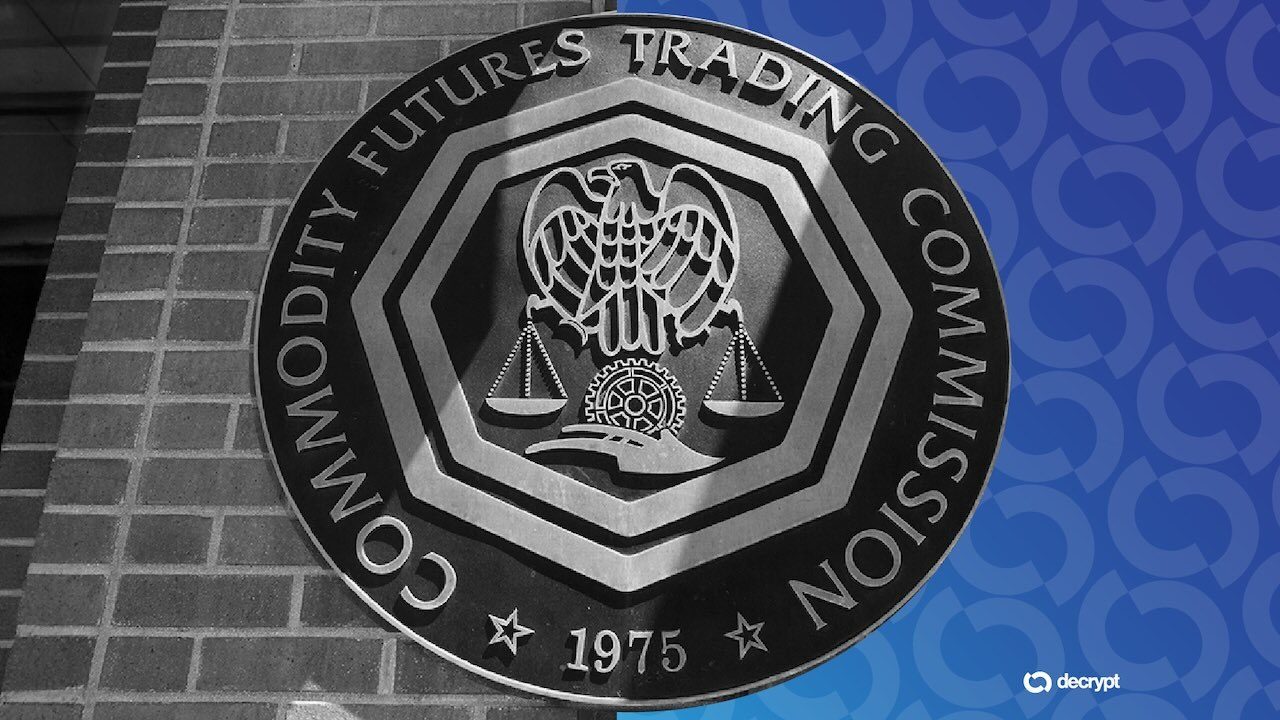
The White House is attempting to salvage the effort. SEC chair Paul Atkins, President Donald Trump and senior executives from Coinbase, a16z, Ripple, Chainlink, NYSE and Nasdaq are scheduled to meet on Wednesday to discuss crypto regulation and explore ways to push the bill forward. The following day, the CFTC's newly formed Innovation Advisory Committee will convene to address crypto, AI and prediction-market oversight.
If CLARITY fails, regulators intend to fill the vacuum themselves. The SEC had scheduled an open meeting on Friday to unveil what it called "clear rules of the road" for crypto markets but cancelled it, citing an "unforeseen scheduling issue." Reports suggest the White House intervened, concerned that unilateral SEC action could antagonise Democrats and derail the legislative negotiations still under way.
Tether clears its first full audit
In a separate development with direct implications for stablecoin investors, Tether completed its first-ever full independent audit. KPMG US issued a clean opinion on the issuer's 2025 financial statements, covering the balance sheet, income statement, cash flows and the assets backing its tokens. The audited accounts showed reserves exceeding liabilities by $6.814 billion.
The engagement goes well beyond the quarterly reserve attestations Tether has published for years, subjecting the company's broader financial statements and underlying evidence to independent examination. For institutional investors who have long questioned the transparency of the largest stablecoin issuer, the clean opinion removes a persistent credibility overhang.
Wallet breaches expose 54,000 users
Operational risk in crypto infrastructure also surfaced this week. Trezor disclosed that roughly 14,000 customers' personal data was compromised through its shipping provider, ShipMonk. Affected users in the US, UK, Sweden, Colombia, Brazil, Italy and Portugal who received orders between May 10 and August 8 face elevated phishing risk.
SafePal separately revealed that nearly 40,000 customers' order information, including names, addresses and purchasing data, was accessed without authorisation. The company said it has taken down more than 30 fraudulent websites and phishing links tied to the breach.
The incidents follow a $116 million theft from Coldcard hardware wallets and have intensified industry calls for stronger defensive tools. A coalition including Anchorage Digital, BitGo, Bitwise, Blockstream, Ledger and Trezor published an open letter via the Bitcoin Policy Institute urging frontier AI labs to grant Bitcoin developers early access to their most capable models, arguing current guardrails leave defenders outgunned.
Markets under pressure
Crypto assets finished the week lower. Bitcoin fell 3.3% to $62,842, Ethereum slipped 2.3% to $1,872 and XRP dropped 4.2% to 99 cents, bringing total market capitalisation to $2.16 trillion. Glassnode reported that Bitcoin's price-metric basket is experiencing its longest capitulation since the FTX collapse in late 2022.