Guatemala First-Quarter Growth Hits 4.5% on Infrastructure Push Amid Oil Risks
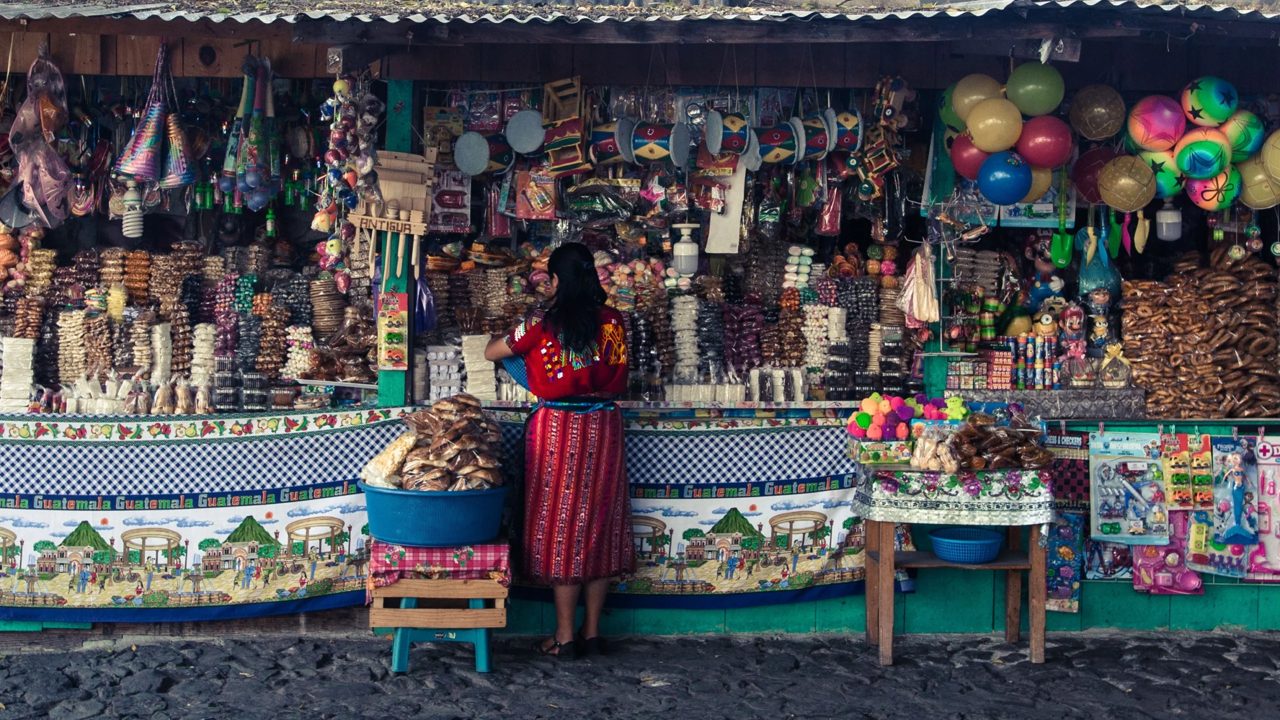
Guatemala’s first-quarter economic expansion outpaced expectations, driven by a landmark public-private motorway, though oil shocks and sluggish state spending threaten to slow momentum for the rest of the year.
Guatemala’s real gross domestic product expanded 4.5 percent in the first quarter of 2026, accelerating from 3.8 percent in the same period a year earlier. The central bank reported quarterly output at approximately 164 billion quetzales, with eight of seventeen tracked activities accounting for roughly 70 percent of the variation.
Construction led the expansion at 7 percent, followed by financial services and insurance at 6.7 percent. A primary catalyst was the Escuintla to Puerto Quetzal motorway, a 42-kilometer, $140 million public-private partnership. The project demonstrates that the partnership model functions effectively, while also revealing an economy small enough for a single infrastructure asset to shift quarterly metrics.
Despite this strong start, forward-looking indicators suggest a cooling trajectory. The central bank projects full-year growth of 4.1 percent, while an International Monetary Fund mission recently downgraded its 2026 forecast to 3.75 percent due to Middle East oil shocks. For the IMF baseline to materialize, growth across the remaining three quarters must average just 3.5 percent.
The transmission mechanism for this external threat is distinct. Higher crude prices will inflate Guatemala’s fuel import bill, pressuring consumer prices before impacting real output. The central bank estimates a prolonged oil crisis would trim two-tenths of a percentage point from annual growth, bringing it to 3.9 percent.
Macroeconomic buffers remain unusually robust for the region. Inflation registered at 2.86 percent in May, comfortably inside the central bank’s target of 4 percent plus or minus one percentage point. The policy rate has remained anchored at 3.5 percent since February.
Labor and external accounts further support this resilience. Formal employment reached 1.82 million, a 4.8 percent annual increase, while remittances surpassed $11.5 billion by mid-June. Foreign exchange reserves currently cover approximately eleven months of imports.
However, a persistent fiscal paradox complicates the credit narrative. Guatemala closed 2025 with a deficit of 1.9 percent of output, significantly below the budgeted 3.8 percent. This undershoot was driven largely by the state’s failure to execute allocated capital spending.
Consequently, the economy is drawing its strongest growth from the very budget line the government struggles to disburse. This execution gap is the primary reason major rating agencies keep Guatemala one notch below investment grade, despite a manageable debt-to-GDP ratio near 27 percent. The constraint is governance, not arithmetic.
Even with these headwinds, Guatemala is positioned to significantly outperform its peers. At the IMF’s reduced forecast, the country will still grow roughly twice as fast as the broader Latin American average, which the World Bank estimates at 2.3 percent for 2026.