China growth slows to three-year low as US inflation cools
Softer US consumer prices and a tech-driven export boom offset a three-year low in Chinese economic growth, driving a regional market rally despite ongoing Middle East energy risks.
China’s economic expansion slowed to a three-year low in the second quarter, missing analyst forecasts and highlighting weak domestic demand. Meanwhile, a cooler-than-expected US inflation reading sparked a broad rally across Asian equity markets.
The National Bureau of Statistics reported a 4.3% expansion for the April to June period, the weakest performance since the fourth quarter of 2022. The result fell short of both the 4.5% consensus forecast and Beijing’s 4.5-5.0% annual target, underscoring the economy's heavy reliance on external demand.
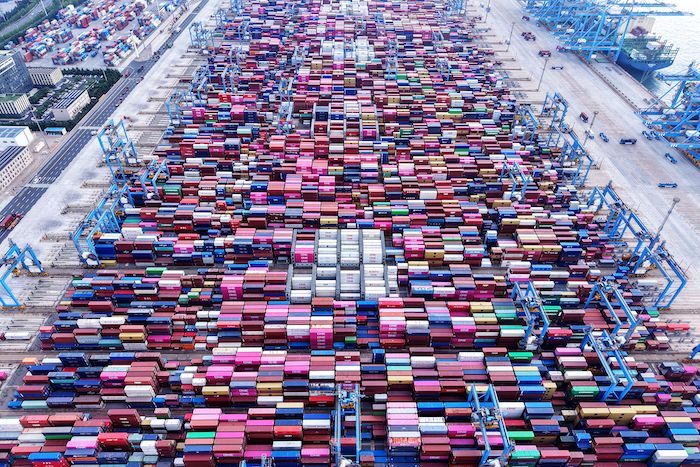
External demand was heavily supported by the global artificial intelligence boom, with June exports surging 27% year-on-year. Semiconductor shipments more than doubled in value and data-processing equipment rose 53%, though analysts warn this is a price-driven phenomenon caused by memory chip shortages rather than a true volume increase.
Despite the second-quarter slowdown, the government is unlikely to alter its immediate policy stance. First-quarter growth reached 5%, keeping the annual target within reach, though economists expect a pivot toward fiscal stimulus and wage growth to address the prominent domestic contradiction of strong supply and weak demand.
In the United States, consumer prices rose 3.5% in June, marking the sharpest pullback in six years and falling well below expectations. This softer data reduces immediate pressure on the Federal Reserve to raise interest rates, lifting global risk appetite and sending the dollar lower against its peers.
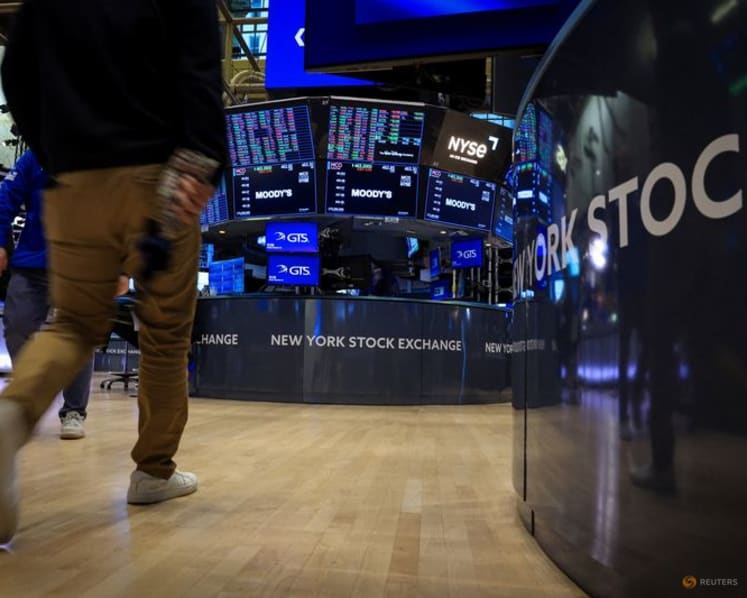
Asian markets responded positively, with Seoul leading the gains as technology firms rebounded from recent valuation concerns. Wall Street banks also kicked off the earnings season with higher profits, but Shanghai dipped on the weak domestic data and European bourses fell in early trade.
The optimistic market mood remains vulnerable to energy market disruptions in the Middle East. Crude oil prices have climbed more than 10% since hostilities between the US and Iran flared, threatening to reverse the recent cooling in consumer prices if higher energy costs persist.
Navigating these tensions, President Donald Trump abandoned a planned 20% transit levy on Strait of Hormuz shipping, opting instead to seek compensation through Gulf trade deals. Concurrently, the US expanded sanctions on Iran’s oil network and froze $130 million in digital wallets linked to the country's central bank.