US Mortgage Rates Reach Highest Level Since August 2025 as Purchase Demand Slumps
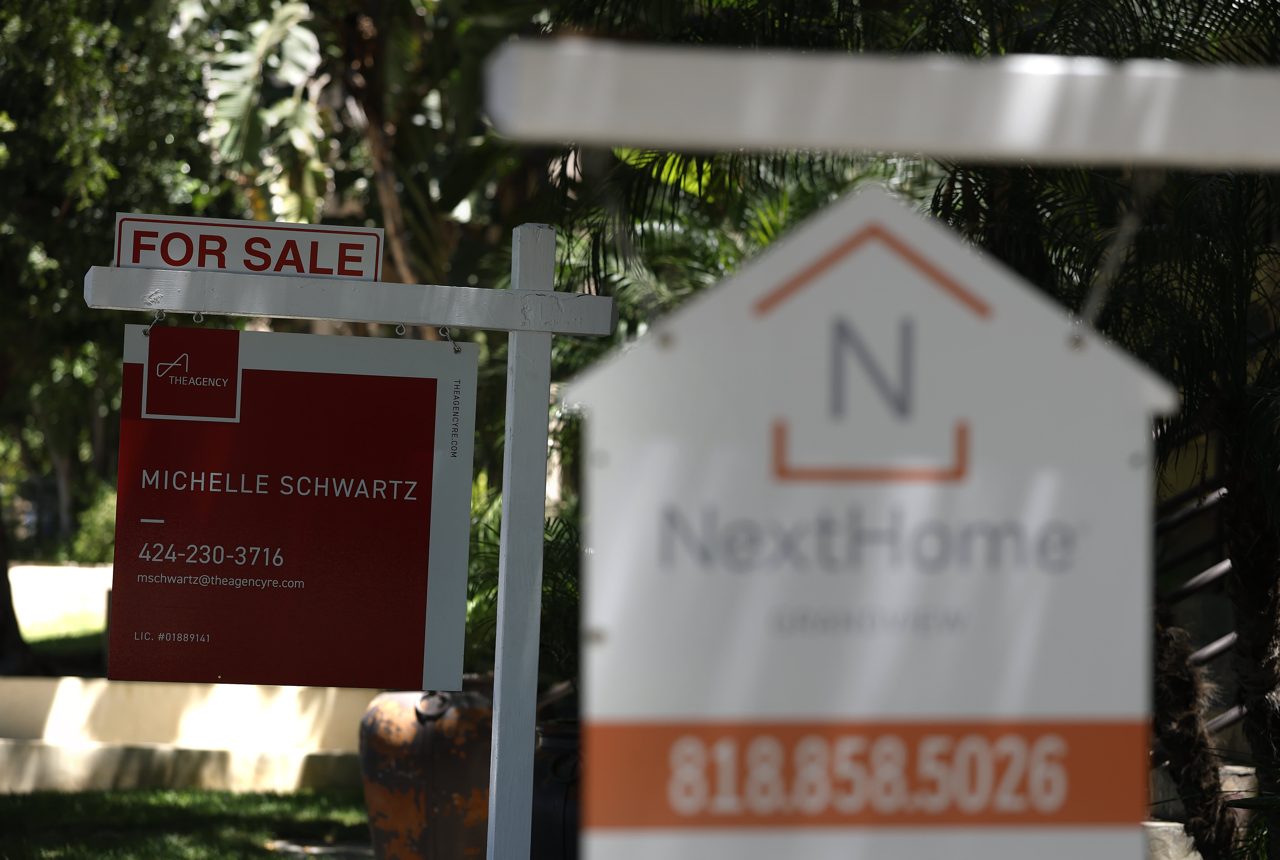
Rising borrowing costs have pushed US mortgage rates to their highest level in nearly a year, suppressing home purchase demand while highlighting the housing market's continued sensitivity to macroeconomic shifts.
US mortgage rates climbed to their highest point since August 2025 last week, prompting a retreat in homebuyer demand. The Mortgage Bankers Association reported that its seasonally adjusted index for total mortgage application volume declined 2.7 percent compared to the prior week.
Borrowers faced an average contract interest rate of 6.65 percent for 30-year fixed-rate mortgages with conforming loan balances up to $832,750, up from 6.58 percent. This increase occurred alongside a rise in points to 0.67 from 0.64 for loans requiring a 20 percent down payment. Consequently, purchase applications dropped 7 percent on a weekly basis and remained 2 percent below the volume seen during the same period last year.
This pullback underscores the persistent friction in the housing market, where prospective buyers continue to navigate elevated property prices and a restricted supply of affordable inventory. The combination of rising borrowing costs and structural supply deficits is effectively pricing out marginal buyers, signaling a cooling effect on residential real estate activity.
In contrast to the purchase market, refinancing activity demonstrated modest growth. Refinancing applications increased 4 percent for the week, bringing the refinance share of total mortgage activity to 43.2 percent from 40.6 percent the previous week.
Year-over-year, refinance applications were 7 percent higher, though rates remain only 17 basis points above last year's levels, offering limited incentive for traditional refinancing. Joel Kan, vice president and deputy chief economist at the Mortgage Bankers Association, noted the specific drivers of this segment. "Despite higher mortgage rates, refinance applications increased, led by FHA and VA refinance applications rising 9 and 10 percent, respectively," Kan stated.
Analysts suggest this modest gain stems from a small baseline pool of borrowers rather than broad market enthusiasm. Many homeowners are likely pursuing cash-out refinances to capitalize on substantial accumulated equity, rather than securing lower interest rates.
The upward pressure on borrowing costs is tied to broader macroeconomic factors rather than housing-specific dynamics. Matthew Graham, chief operating officer at Mortgage News Daily, stated that "the key contributor to the recent spike has been the uptick in fuel prices in July combined with the fact that rates never made it any lower than 6.52% over the past 2 months." He added that the market was already in a high range and the fuel price increase simply gave rates a push.
Borrowing costs did experience a slight recovery on Tuesday following the release of inflation data that came in significantly below expectations. This indicates that while housing remains highly sensitive to interest rate fluctuations, broader disinflationary trends could eventually provide some relief to the mortgage market.