US inflation cools to 3.4% in July, easing pressure on Federal Reserve
A softer core inflation reading and narrowing price pressures in July have reduced the likelihood of an interest rate hike next month, though economists caution the trend requires further confirmation.
The US consumer price index rose 3.4% year-over-year in July, down from 3.5% the previous month and matching economist estimates. The core index, which strips out volatile food and energy costs, eased to an annual rate of 2.5% from 2.6% in June.
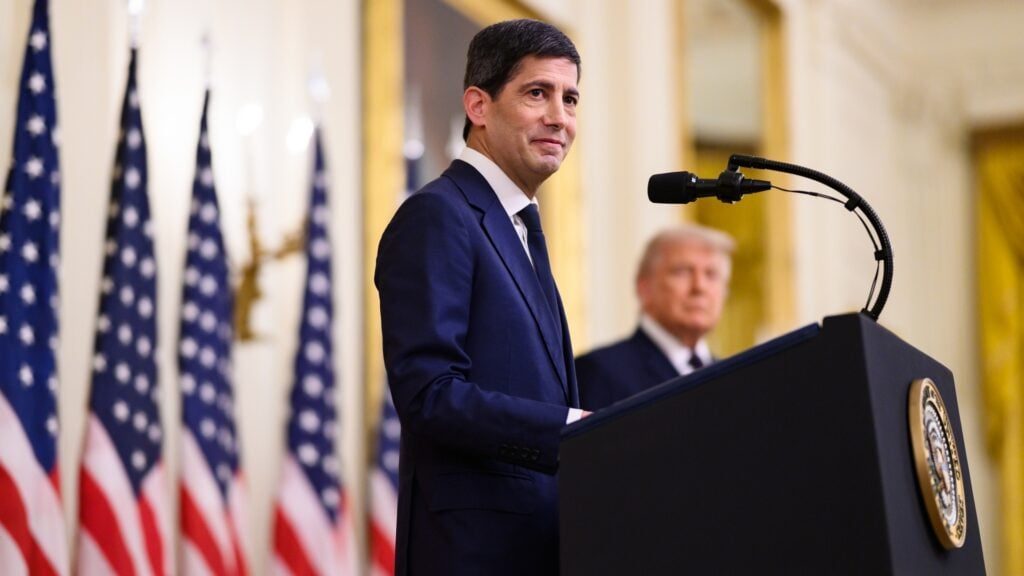
The cooling data reduces the immediate probability of the Federal Reserve under Kevin Warsh raising interest rates at its September meeting. However, the central bank remains on hold, and policymakers will scrutinize upcoming producer price data to confirm the disinflationary trend before shifting their monetary policy stance.
Beneath the headline figures, the composition of price increases is shifting in a way that favors the central bank's inflation fight. Non-housing core services, often called supercore inflation, climbed just 0.2% in July, a significant deceleration from earlier in the year.
Former Federal Reserve economist Claudia Sahm described the narrowing breadth of price increases as the "best news in today's report." The portion of the consumer price basket experiencing gains above 5% has dropped back to average levels seen between 1997 and 2005, a period when overall inflation hovered near the 2% target.
Sahm described the broader data as "good news" that supports the central bank's current pause, though she noted "it's too soon to say whether a hold will be appropriate in September." She pointed to Thursday's producer price index as a critical input for forecasting the personal consumption expenditures index.
Market strategist David Rosenberg highlighted that price pressures have largely retreated to a few specific sectors. He noted that inflation was concentrated in computers, driven by Apple, as well as airfares, toys, appliances and used cars, while showing minimal movement across the broader economy.
The three-month annualized rate for core consumer prices is currently running at just 1.6%. Rosenberg emphasized that this compares to a 2.7% rate during the same period last year, underscoring the rapid deceleration in underlying costs.
Rosenberg argued that this persistent disinflation will eventually force inflation skeptics to change their tune. He specifically pointed to three dissenting central bank officials who he believes will be compelled to alter their stance as the broader data builds.