Uber to deploy $10bn to scale its autonomous vehicle network
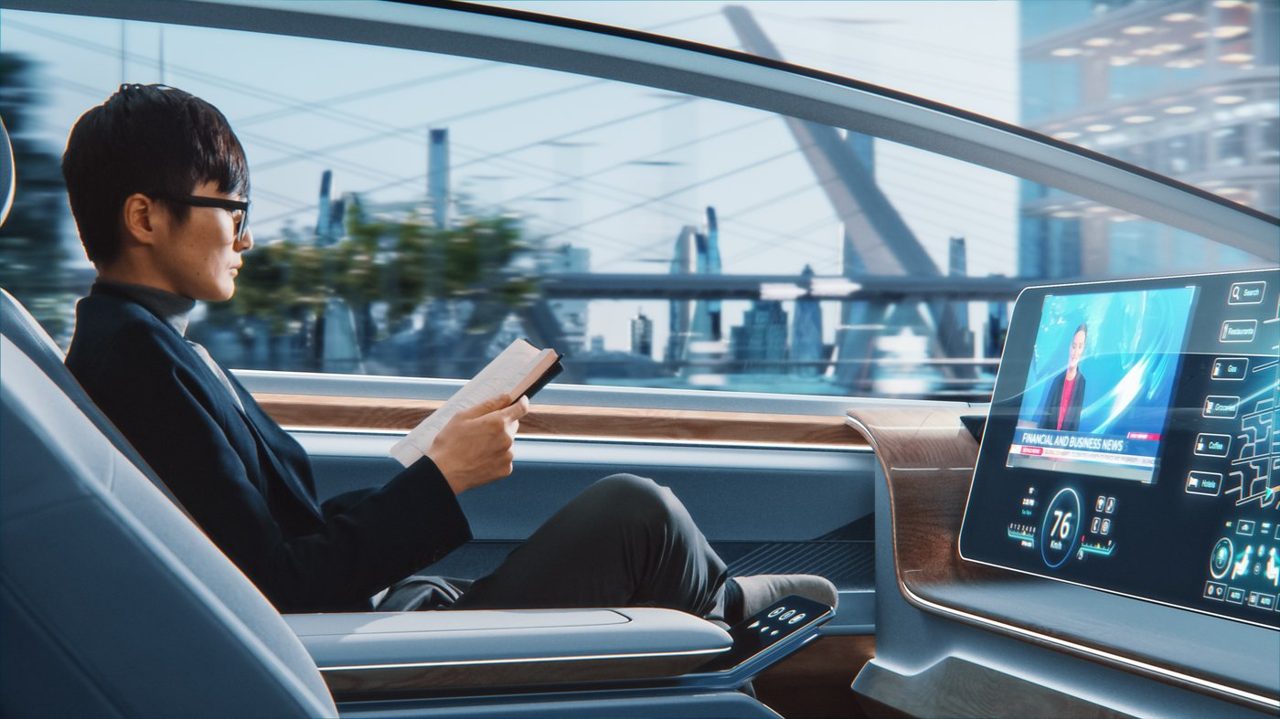
Uber Technologies is committing $10 billion to help third-party developers scale self-driving fleets, a strategic shift aimed at replacing its heaviest operational cost while maintaining an asset-light model.
Uber Technologies chief executive Dara Khosrowshahi announced a major capital deployment plan for the company’s autonomous vehicle transition. The ride-hailing giant intends to spend approximately $10 billion over the coming years to help third-party partners bring self-driving cars and robots to market at scale.
The financial commitment follows the company's second-quarter earnings release on August 5. Khosrowshahi also confirmed that the number of cities with active autonomous vehicles on the platform will increase from seven to fifteen by the end of 2026.
The strategy directly targets the company's most significant operational expense. During the second quarter, Uber recorded $58 billion in gross bookings across its ride, food, and commercial freight networks.
Of that total revenue, $25 billion was paid out to the platform's 10.2 million human drivers. Transitioning to autonomous fleets offers a clear pathway to structurally reduce this massive variable cost over the long term.
Rather than absorbing the immense research and development costs of building proprietary self-driving technology, Uber is leveraging its existing infrastructure. Dozens of external developers are now integrating their autonomous systems directly into the Uber network.
This partnership model grants developers immediate access to Uber’s base of 208 million monthly active customers. It saves them the substantial time and capital required to build a consumer-facing ride-hailing platform from scratch.
For Uber, the arrangement preserves a highly efficient, asset-light business model. The company simply collects a commission on every autonomous trip facilitated through its application without owning the underlying vehicle hardware.
Deploying $10 billion to assist these partners might initially appear to contradict a purely asset-light approach. However, subsidizing the scale-up of third-party fleets is a necessary investment to ensure sufficient autonomous supply meets consumer demand.
The integration of robotics and self-driving technology marks a critical inflection point for the broader mobility sector. As autonomous trips become a larger percentage of total platform volume, the unit economics of each journey are expected to improve significantly.
Establishing a dominant network effect early in the autonomous era secures Uber's position against traditional automakers and tech startups. By aggregating supply from multiple hardware providers, the platform mitigates the risk of relying on a single technological standard.