Cramer backs Constellation's new CEO as Diageo's troubles multiply
A notable shift in sentiment toward the spirits sector sees investors warming to Constellation Brands' turnaround story while Diageo faces mounting headwinds across China, North America and its balance sheet.
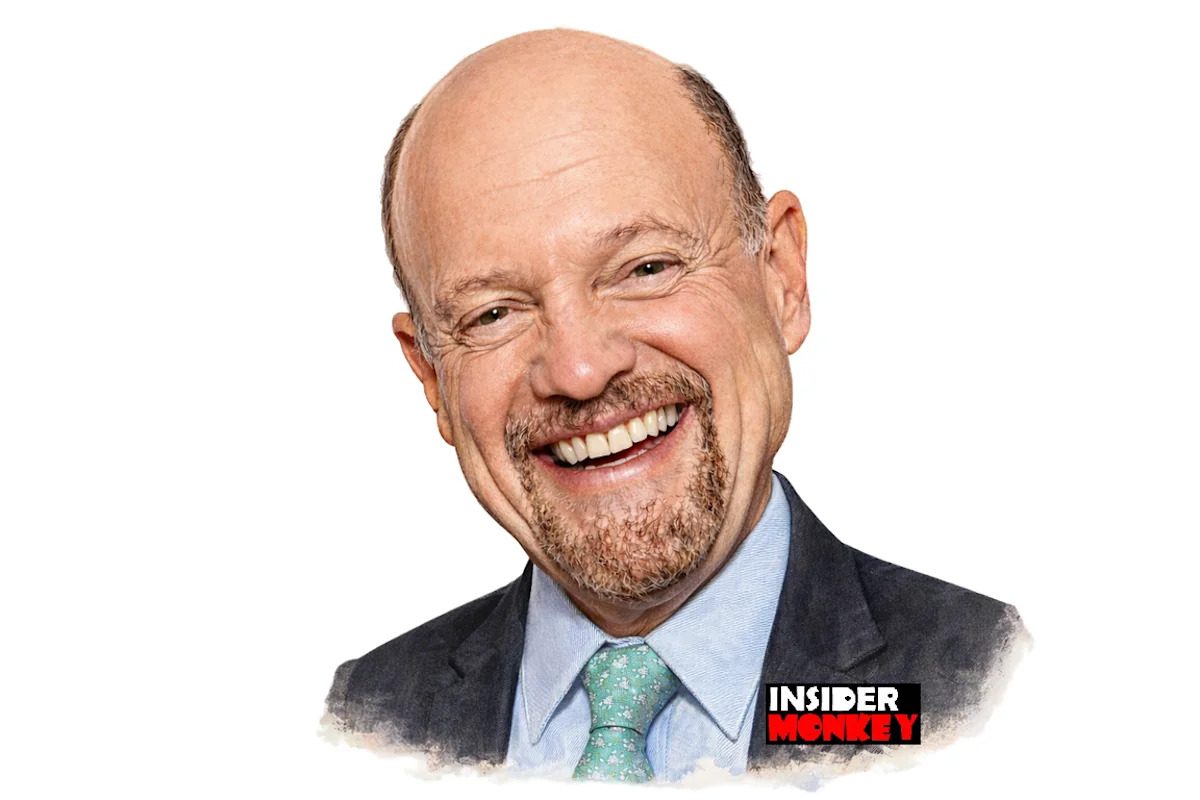
Jim Cramer, long bearish on the alcoholic beverages sector, has drawn a sharp line between its two biggest listed names: he sees Constellation Brands eventually returning to growth under new chief executive Ned Fink, while Diageo remains, in his words, not a "growth vehicle." Hedge fund positioning appears to be tracking that split.
The shift matters because it signals that select buyers are returning to a sector that has been out of favour for more than a year, driven by generational drinking changes and soft demand in key categories. Cramer had spent much of 2025 warning investors away from alcohol stocks altogether.
Speaking on air, Cramer pointed to Constellation's aggressive headcount reductions as evidence the business is leaner than the market appreciates. "If you have good brands, you really don't need as many people as you'd thought," he said. He added that Fink, who previously ran Jim Beam, "is going to lead that company back out of the wilderness to good things."
Diageo's multi-front problem
Diageo's challenges are harder to dismiss as cyclical. The stock has fallen 52% over the past five years, and while some argue the weakness is now priced in, the operational picture continues to deteriorate. China sales dropped 34.9% in fiscal 2026, North America net sales slid 8.4%, and the company carries $20.5 billion in net debt.
Supply and inventory mismanagement in Latin America and the Caribbean has compounded the damage. Cramer acknowledged Diageo "might find it difficult to grow," a view consistent with his commentary over the past year.
Structural headwinds add pressure. IWSR data shows the total alcoholic and non-alcoholic beverage market was worth $13 billion across 2024, with non-alcoholic products accounting for 72% of that figure. Younger consumers are simply drinking less of what Diageo sells.
Constellation beats earnings, but demand questions linger
Constellation's fiscal first-quarter results offered a mixed signal. Beer sales rose 2% to $2.28 billion, beating analyst earnings expectations. Yet beer depletion, a closer proxy for actual consumer demand, edged down 0.3% in the same period.
The wine and spirits division is a heavier drag. Sales in that segment fell 10%, shipments dropped 11%, and group operating income plunged 33%. The beer business must now absorb that pressure, and Fink inherits a portfolio still contracting in two of its three categories.
What investors should watch
For portfolio managers, the Cramer-and-funds alignment is less a trading signal than a recognition that the sector's downturn is producing differentiated outcomes. Diageo must stabilise China, arrest the North American decline and manage its debt load simultaneously before any re-rating is credible.
Constellation's case rests on whether Fink can replicate the brand discipline he demonstrated at Jim Beam while arresting depletion softness in beer. The cost cuts have improved the margin structure, but top-line evidence of a genuine turnaround has yet to materialise.
The broader question for the sector remains demand. Until non-alcoholic substitution and weaker consumption among younger drinkers stabilise, both companies are operating against the tide. The difference now is which management team investors trust to navigate it.