US Signals Indefinite Iran Blockade as Trump Defends Oil Impact
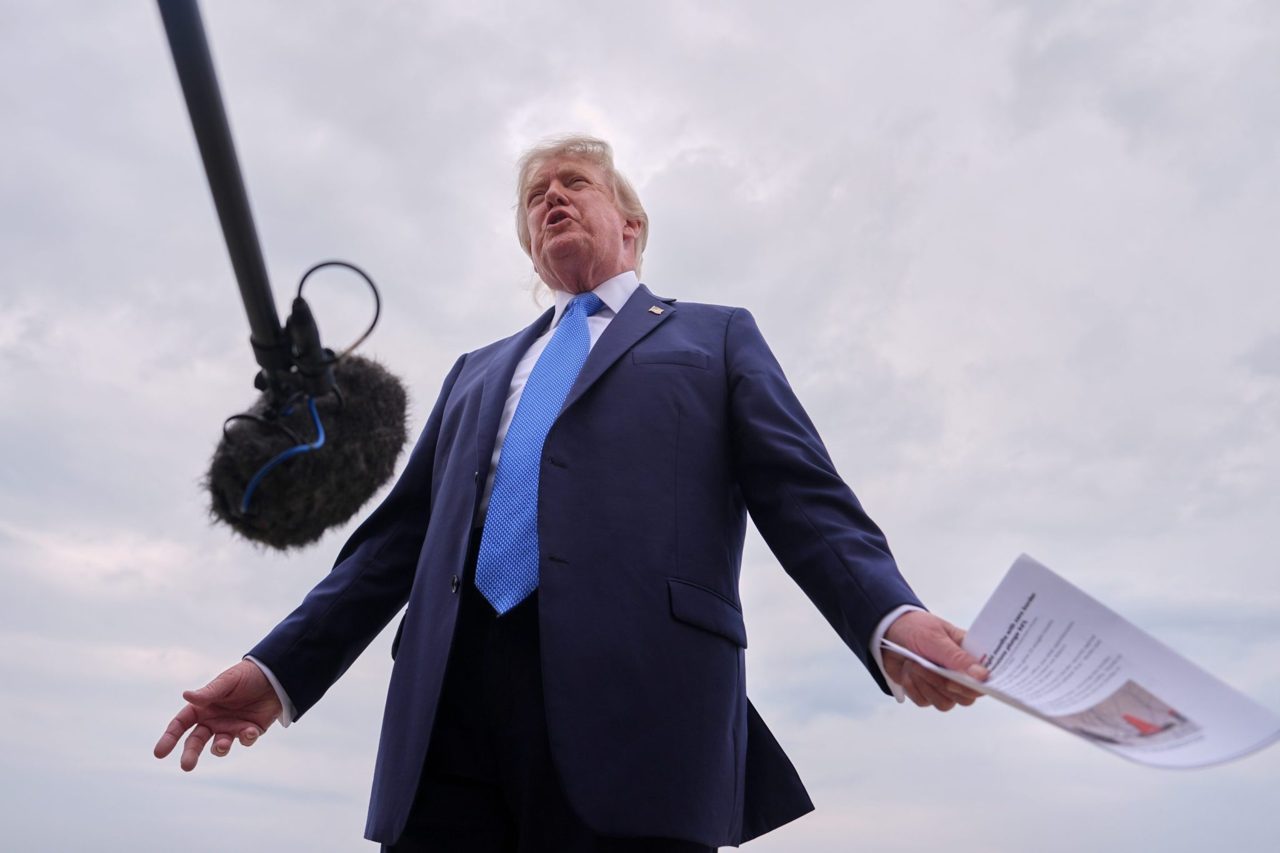
The Trump administration signaled its naval blockade of Iranian ports could continue indefinitely, extending geopolitical risk premiums in global energy markets as the president defended the war's impact on crude prices.
President Donald Trump stated "I'll never apologize" for the Iran war's effect on oil prices, asserting the military campaign is proceeding well despite stretching far beyond initial timelines. The conflict, launched alongside Israel, is now more than five months old after the administration originally projected it would last only weeks.
Prolonged chokepoint risks
For energy markets, the administration's stance suggests sustained disruption risks at a critical global transit route. Defense Secretary Pete Hegseth confirmed the US military can maintain its blockade of Iranian ports in the Strait of Hormuz indefinitely, keeping a lid on regional crude flows.
This lack of an exit strategy offers no timeline for de-escalation, keeping geopolitical risk premiums elevated even as direct hostilities have recently calmed. During a Friday address in New York, Trump acknowledged he has used the military "a little bit more than I wanted to" but dismissed concerns about the economic fallout.
He even joked that "pretty soon I’ll be declaring the Hormuz Strait a territory of the United States." Such rhetoric underscores the administration's hardline posture and the likelihood of a sustained naval presence in the region.
Logistical and defense costs
Sustaining this maritime blockade is placing severe logistical strain on naval assets, highlighting the mounting operational costs of the campaign. The USS Abraham Lincoln has completed a record uninterrupted deployment of more than 240 days.
Acting Navy Secretary Hung Cao confirmed the vessel will return home soon, and the USS George Washington departed Vietnam last week to serve as its replacement. The extended operational tempo has triggered political friction over the financial and human costs of maintaining such a deployment.
Democratic lawmakers, including Senators Richard Blumenthal and Ruben Gallego, are demanding classified Pentagon briefings regarding supply chain issues, food inventory, and healthcare aboard the Lincoln. Representative Jason Crow criticized the president's remarks, while Republican committee chairmen have remained largely silent on the matter.
Defense Secretary Hegseth dismissed reports of poor conditions as "completely misrepresented." Military leadership has also pushed back against concerns regarding mental health struggles among the crew.
The Navy stated it has not observed an increase in suicidal ideations, though it acknowledged one sailor went overboard in early August and was subsequently transferred off the ship for medical care.
With the administration refusing to outline a wind-down strategy, energy traders must price in a prolonged military footprint in the Gulf. The indefinite nature of the blockade ensures that supply chain vulnerabilities will remain a key variable for global oil benchmarks.