Brent Surges 12% on Iran's Threat to Shut Key Oil Chokepoints

Oil prices have jumped 12% in four days as the collapse of a US-Iran ceasefire threatens to sever critical Middle East export routes, stoking significant supply disruption risks for global energy markets.
Brent crude rose 0.83% to climb above $85 a barrel and US benchmark WTI gained 0.89% to surpass $80 early on Wednesday in European trade. The moves extend a four-day rally that has driven prices up 12% since Friday's close. The surge follows the collapse of a US-Iran ceasefire and the rapid escalation of hostilities that began on February 28.
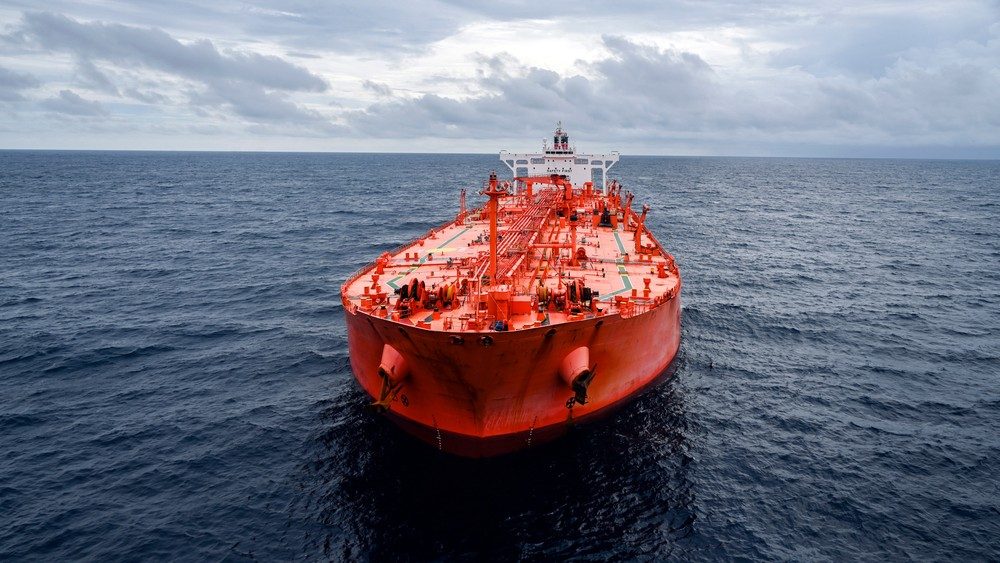
The immediate catalyst for the price spike is a sharp reduction in tanker traffic through the Strait of Hormuz. Over the weekend, what had been steady maritime traffic collapsed into a trickle as only a handful of tankers attempted to transit the chokepoint. Iran struck commercial vessels in the waterway, prompting the US to hit Iranian targets and reinstate a naval blockade that went live early Wednesday Middle Eastern time. The physical constriction of traffic is actively tightening near-term supply availability.
In response to the US blockade, Iran’s Islamic Revolution Guards Corps raised the stakes by threatening to close “all other export corridors that benefit the US and its allies.” The IRGC articulated this position through a statement carried by Iran’s IRNA state news agency: “Regional energy exports are either shared by all, or denied to all.” This rhetoric signals an intent to weaponize alternative export routes, expanding the geopolitical risk well beyond the Strait of Hormuz.
Chief among those secondary risks is the Bab el-Mandeb Strait, a critical chokepoint between Yemen and the Horn of Africa that connects the Red Sea to the Gulf of Aden. Analysts have warned since the conflict began that Iran-aligned Houthi forces in Yemen could be deployed to block this passage. Recent reports in Iranian media indicate the Houthis are prepared to enact this blockade if Saudi Arabia continues its attacks on Yemen.
The threat to Bab el-Mandeb carries distinct logistical weight for global markets right now. With the Strait of Hormuz heavily constrained, Saudi Arabia has increasingly relied on its key crude oil export terminal at Yanbu on the Red Sea. A closure of Bab el-Mandeb would effectively cut off this vital alternative escape route for Saudi crude, trapping millions of barrels of daily exports.
For investors and corporate planners, the convergence of military threats at two distinct chokepoints represents a major structural shift in global oil logistics. The market has moved past theoretical geopolitical risk into pricing actual physical supply shortages. Until there is a tangible de-escalation or a verified workaround for moving Middle Eastern crude, the risk premium baked into Brent and WTI futures is likely to remain elevated.