FedEx CEO Raj Subramaniam Steers Logistics Giant Through Re-globalization Phase
One year after the death of founder Fred Smith, Chief Executive Raj Subramaniam is redefining the logistics giant’s strategy to navigate geopolitical friction and supply chain fragmentation, signaling a critical test for its long-term market positioning.
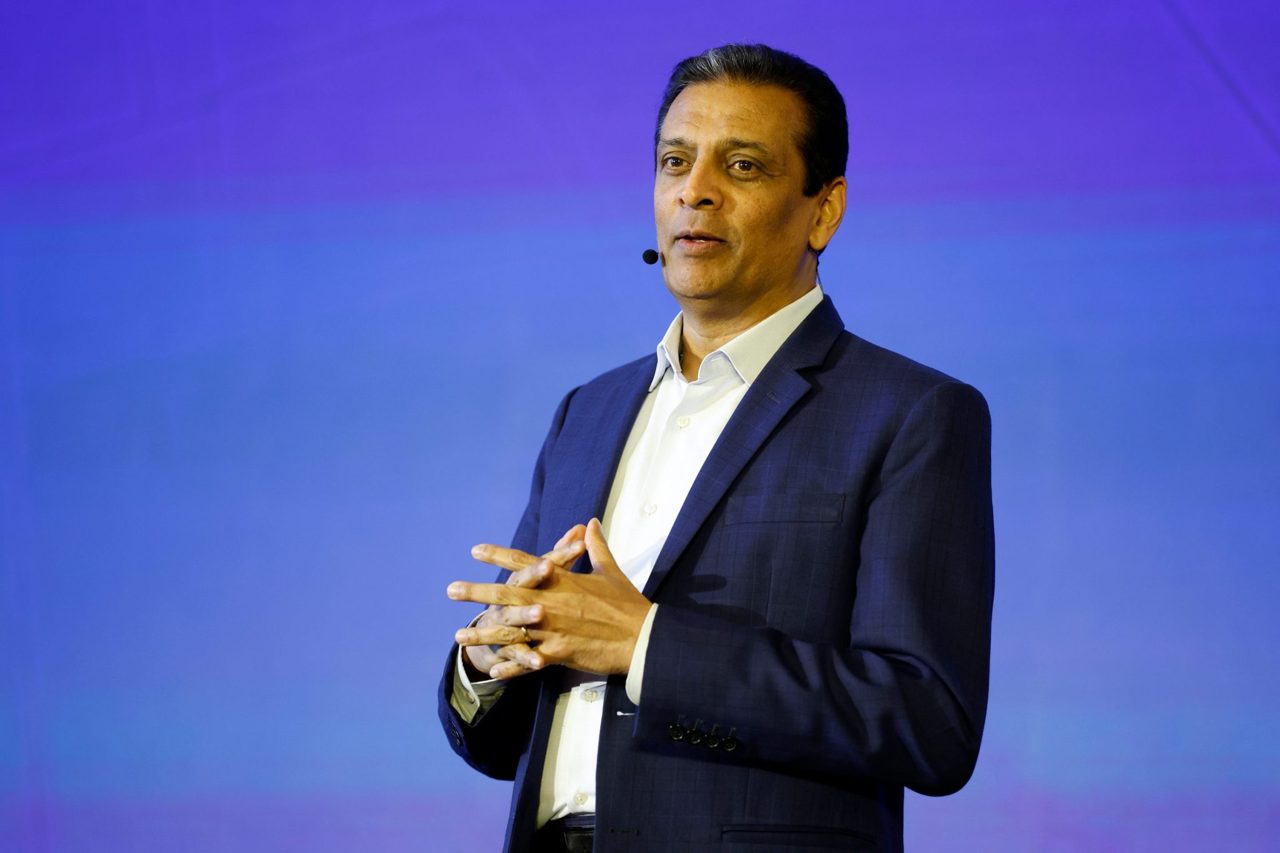
FedEx Chief Executive Raj Subramaniam is actively reshaping the logistics company’s strategic direction one year after the death of its founder, Fred Smith. Operating as only the second CEO in the corporation’s 53-year history, Subramaniam is steering the business through what he terms a complex period of “re-globalization.”
This strategic pivot addresses profound supply chain disruptions driven by geopolitical conflict and evolving tariff landscapes. Moving nearly 19 million packages daily, the logistics giant sits at the forefront of these macroeconomic adjustments, requiring decisive capital allocation and operational discipline to maintain market share.
Subramaniam, who ascended from an entry-level position to the top job in 2022, acknowledged the unique complexities of succeeding a legendary founder. Smith died last year at the age of 80, leaving a massive void for the executive who previously served as president and chief operating officer.
While Subramaniam noted the privilege of standing on the shoulders of a giant, he emphasized that the daily demands of the chief executive role required immediate behavioral adaptation. Facing requests from all sides, he found it necessary to frequently decline initiatives to preserve strategic focus.
To maintain this focus, the executive deliberately drafted his own job description and key performance indicators. A central pillar of this new framework is acting as the primary guardian of the corporate culture established by Smith, ensuring organizational stability amid ongoing technological and personnel transitions.
Subramaniam has been direct with his workforce about the necessity of this adaptation. He motivates his troops by framing the current environment with a stark maxim: “If you don’t like change, you’re going to hate extinction.” This underscores the urgency investors face as global trade dynamics fundamentally reset.
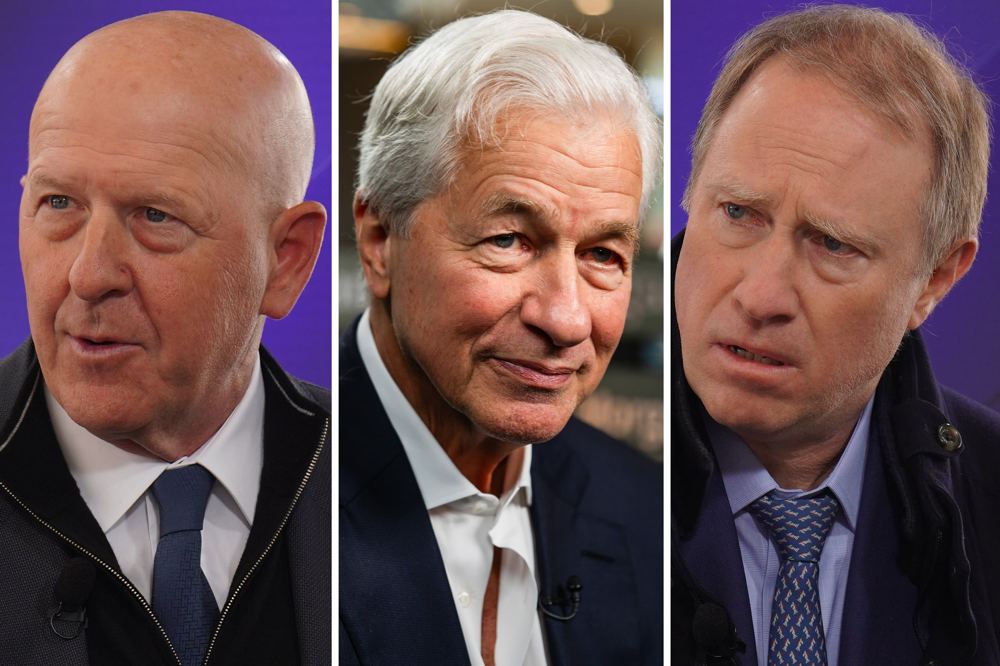
The leadership evolution at FedEx coincides with broader caution among financial leaders regarding market valuations. JPMorgan Chase Chief Executive Jamie Dimon recently warned that equity market conditions are approaching their peak, noting significant uncertainty about how long the current favorable environment will last.
Simultaneously, regulatory headwinds are emerging in critical infrastructure sectors. New York Governor Kathy Hochul recently signed an executive order imposing a year-long moratorium on new hyperscale data centers, illustrating the growing friction between rapid technological expansion and regional regulatory constraints.
This focus on legacy and transition reflects a wider trend in corporate ownership structures. Recent Bank of America data indicates that 23 percent of businesses among wealthy Americans are now inherited, compared to just 11 percent purchased, signaling a deepening concentration of wealth and a preference for keeping companies private longer.