Nigeria weighs business compensation claims against South Africa after evacuations
Nigeria is preparing compensation claims against South Africa for businesses destroyed in xenophobic attacks, while evacuating hundreds of citizens and urging locals not to retaliate against South African firms operating in Nigeria.
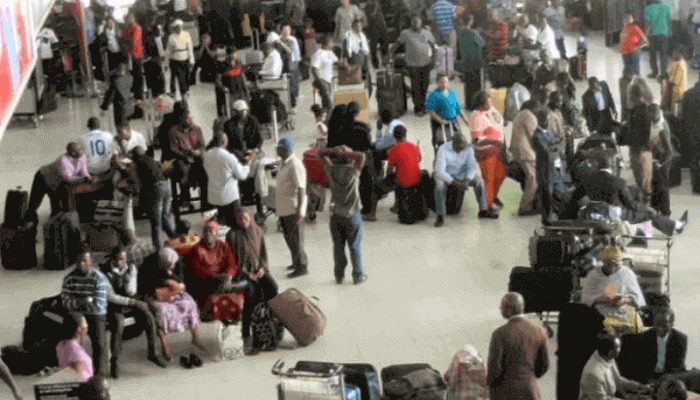
Nigeria has evacuated 859 citizens from South Africa and is arranging two additional flights following targeted violence against foreign nationals. The unrest, driven by groups including March for March and Operation Dudula, escalated after a June 30 ultimatum for foreigners to leave the country. Over 200 displaced Nigerians are currently sheltering at the Nigerian High Commission awaiting evacuation.
For investors and executives, the commercial fallout is becoming a focal point. Nigerian diplomatic missions are compiling data on businesses and properties abandoned by fleeing nationals to prepare compensation claims against the South African government. The Federal Government is also exploring ways to help business owners re-establish their operations in Nigeria.
“We intend to seek compensation from South Africa for Nigerians who were legally resident in the country and suffered losses due to the attacks,” said Kimiebi Ebienfa, spokesperson for the Ministry of Foreign Affairs.
The repatriation effort is creating a domestic fiscal burden. Abuja is weighing a financial support package for returnees, mirroring reintegration programmes previously used for evacuees from Sudan, Russia and Ukraine. State governments are introducing their own packages, while telecommunications firms are providing SIM cards, airtime and National Identification Number registration to assist the displaced.
Despite public pressure for a firmer response, Abuja is prioritising diplomatic channels over severing bilateral ties. The government has raised the issue with the African Union Peace and Security Council rather than filing a formal petition. “It is not that Nigeria lacks the capacity to take stronger measures, but we believe dialogue remains the best option,” Ebienfa said. “We will continue engaging South Africa to resolve issues affecting both countries.”
The immediate risk to cross-border commerce lies in the potential for retaliatory attacks on South African businesses operating in Nigeria. The government has moved to suppress this threat explicitly. “We are calling on Nigerians not to take the law into their hands,” Ebienfa said. “Trust the government to engage South African authorities and pursue all lawful measures to protect the interests of our citizens.”