Ransom Demands Hit $10 Million as Somali Piracy Exploits Hormuz Rerouting
The closure of the Strait of Hormuz has forced commercial fleets into African waters, sparking a sophisticated resurgence in piracy that threatens to inflate global shipping insurance costs and fund militant networks.
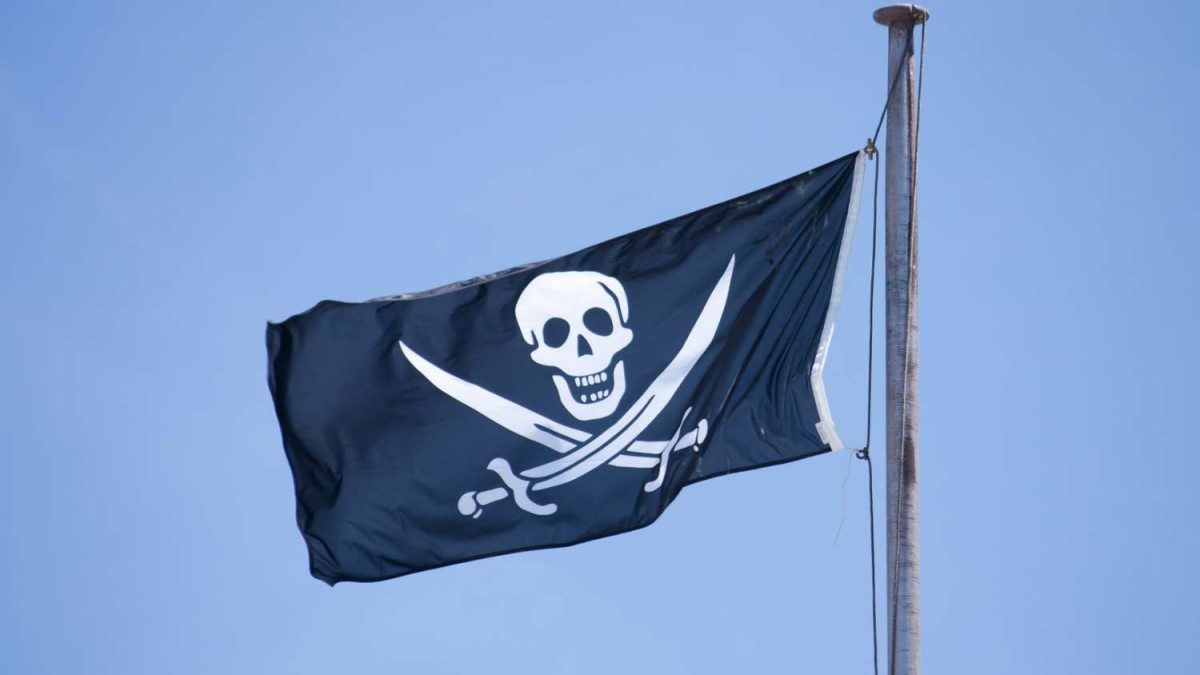
The effective blockade of the Strait of Hormuz is driving a sharp increase in commercial shipping traffic around Africa, creating a highly profitable new environment for Somali pirates. Between April and July 2026, hijackers seized three oil tankers, the MT Honour 25, MT Eureka, and MT Asana, in the Gulf of Aden and off Puntland.
These incidents mark the largest wave of attacks in years, complicating alternative trade routes for energy markets. With United States naval forces heavily deployed to the Persian Gulf for the conflict with Iran, the Horn of Africa has become a largely unpoliced zone for maritime extortion.
The financial stakes of this maritime disruption are escalating rapidly. A late June analysis by the Global Initiative Against Transnational Organized Crime notes that hijackers have issued ransom demands for all three recently captured commercial vessels.
Captors of the MT Eureka are reportedly seeking $10 million. Meanwhile, the syndicate holding the MT Honour 25 has demanded $3 million to release the tanker, its cargo, and the crew.
Counter-piracy officials trace the current aggression back to a successful payout earlier this year. In March, pirates received between $1.2 million and $1.5 million for releasing the Chinese fishing vessel Liao Dong Yu 578, a ship that had previously generated a $2 million ransom in 2024.
Modern piracy operations function as structured criminal enterprises with direct ties to regional militant groups. Yemeni Houthi fighters are supplying Somali cells with military training, advanced weaponry, and precision GPS tracking to disrupt Western naval logistics.
In return for providing onshore logistical support and safe havens for hijacked ships, the Al-Shabaab militant group secures up to 30 percent of successful ransom payouts. Historical data from the World Bank and United Nations shows pirate financiers typically claim 30 to 50 percent of funds, while crews take a 10 to 15 percent fee.
The crisis is also exposing vulnerabilities in other key energy corridors. The Gulf of Guinea remains a major piracy hotspot, where syndicates now use heavily armed mother ships and military-grade weapons to strike far outside state jurisdictions.
War-risk insurance premiums for the Persian Gulf spiked by more than 1,000 percent after the March closure of the Strait of Hormuz, surging from pre-conflict levels of 0.15 percent to as high as 10 percent per voyage. The emerging piracy threats in Africa suggest global shipping faces sustained premium inflation across multiple transit routes.