Paramount Offers Settlement to 12 States Holding Up $110 Billion Warner Deal
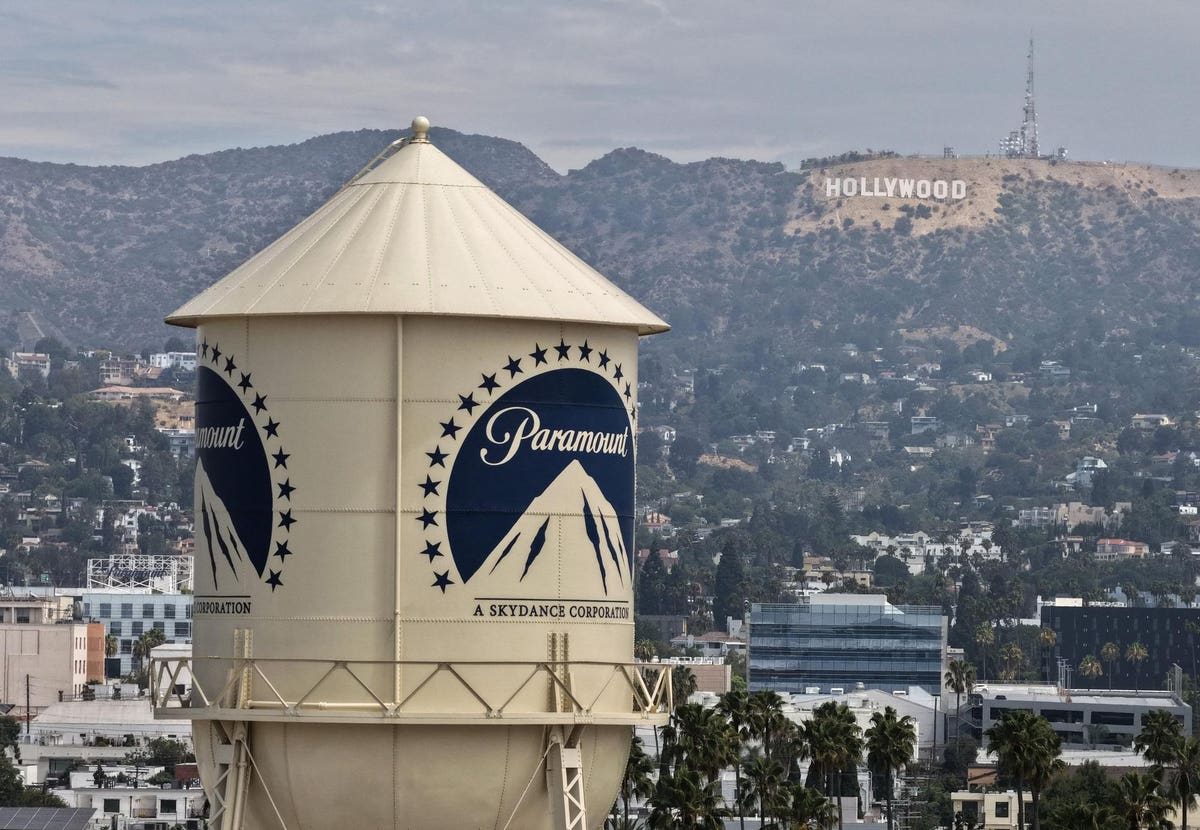
Paramount Skydance has proposed resolving the multi-state antitrust lawsuit that forced its Warner Bros. Discovery acquisition into a costly 2027 delay, as the ticking fee on the deal threatens to run into the billions.
Paramount Skydance on Friday called on the 12 state attorneys general suing to block its acquisition of Warner Bros. Discovery to negotiate a settlement rather than press on with litigation. The company described the legal fight as a "better path" to abandon, arguing that continued court battles inflict "harm without benefit to their own constituents."
The overture comes after the $110 billion transaction, first announced in February, secured regulatory clearance in 68 countries but ran into a wall in the United States. A coalition of states led by California Attorney General Rob Bonta filed suit alleging the merger violates antitrust law and would reduce competition in ways that push up cable subscriptions and cinema-ticket prices. A federal judge temporarily blocked the deal in June.
For Paramount and its shareholders, the delay is becoming expensive. Under the merger agreement, Paramount must pay Warner Bros. shareholders a "ticking fee" of $0.25 per share for every day the transaction remains unclosed past September 30. If completion slips to June 2027, the accumulated payments could exceed $1.9 billion, turning regulatory friction into a direct hit to the balance sheet.
That financial pressure shaped the tone of Friday's statement. Paramount chief executive David Ellison said the company remains "confident that the law and the facts are on our side" but has already "offered commitments and concessions" and is prepared to keep negotiating. He framed the settlement pitch as being in the interest of employees and the creative community "in California and across the world."
A deal that outbid Netflix
Paramount won the Warner Bros. prize after a bidding war with Netflix, making the acquisition one of the largest media transactions in recent memory. The combined entity would control a vast library of film and television intellectual property spanning both companies. The 12 states contend that concentration of that scale would leave consumers with fewer choices and higher prices, a position Paramount rejects.
The settlement proposal effectively concedes that Paramount would rather give ground on specific conditions than gamble on a drawn-out court fight with no guaranteed timeline. For investors tracking the stock, the key question is whether the states will accept negotiations or force Paramount into a full trial, each month of which adds to the fee burden.
Bonta's office had not commented on the proposal as of Friday. Paramount's statement noted that the company has already secured approvals from regulators spanning dozens of jurisdictions, implicitly arguing that the US state-level challenge is an outlier rather than a signal of broader regulatory hostility.
The next legal and negotiating steps will determine whether the transaction closes in 2026 as originally hoped or slides further toward the 2027 deadline that makes the ticking fee a nine-figure, possibly ten-figure, cost. For now, Paramount is signaling it will pay something to make the states go away. How much remains the open question.