Nvidia discloses $21 billion stake in SpaceX following xAI buyout
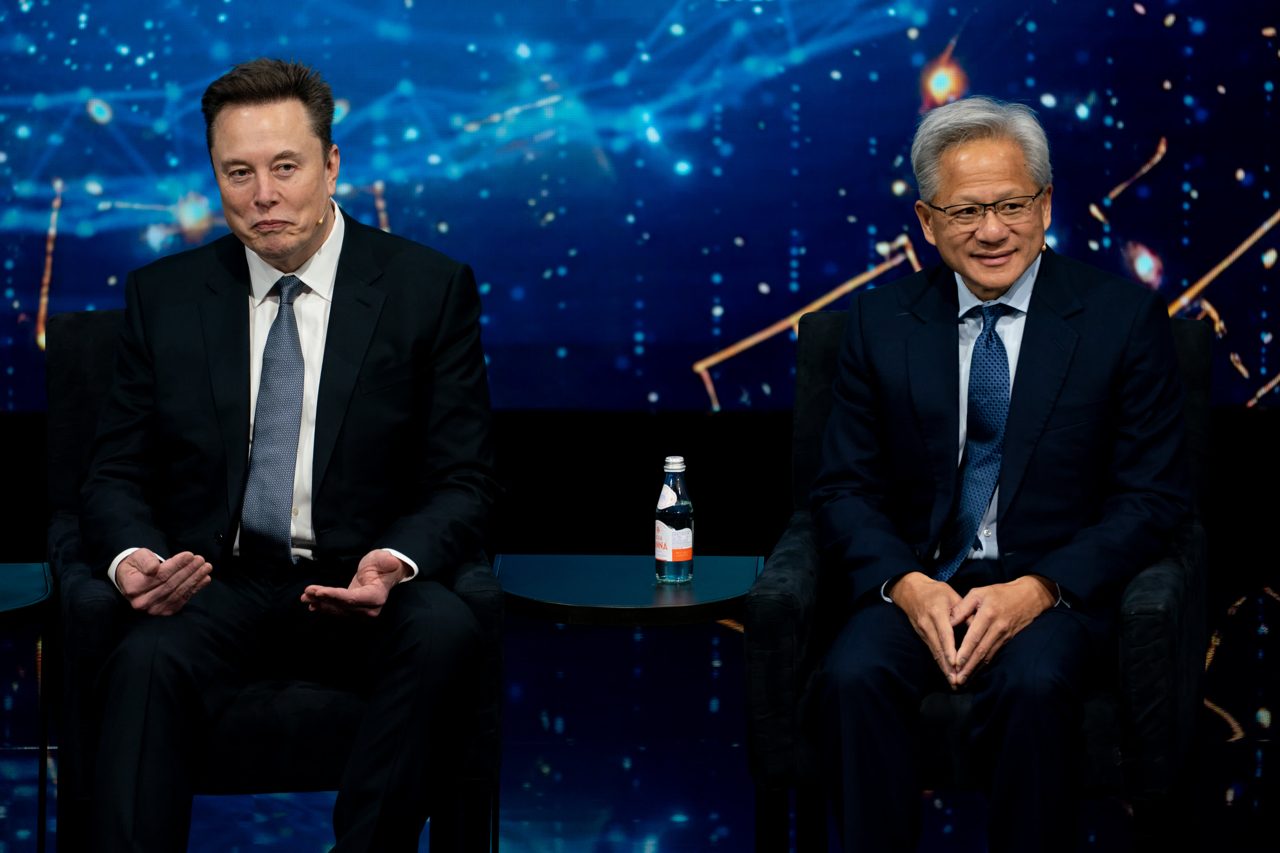
The chipmaker's significant equity position highlights the deepening commercial ties between Elon Musk's aerospace company and its primary supplier of artificial intelligence processors.
Nvidia disclosed on Friday that it held a stake in SpaceX valued at approximately $21 billion at the close of the second quarter. The regulatory filing reveals the chipmaker owns 122.8 million Class A shares in the aerospace company, which completed its public market debut in June.
The value of that position has since contracted alongside broader market movements. SpaceX shares closed at $140 on Friday, down from $170.86 at the end of June, reducing the current worth of the holding to roughly $17.2 billion.
Despite the recent pullback, SpaceX remains the second-largest investment on the chipmaker’s balance sheet. Its top holding is Intel, a position currently valued at about $22 billion, down from $30 billion at the end of the quarter.
The Intel position still represents a massive return on a $5 billion investment made less than a year ago. Nvidia ranks as the sixth-largest investor in SpaceX, trailing far behind Elon Musk, whose personal stake is valued at approximately $850 billion.
Alphabet holds the second-largest position overall with a stake worth roughly $78 billion. Nvidia acquired its SpaceX shares through a $10 billion investment in Musk’s xAI, which was part of a broader $20 billion funding round in January.
The aerospace company subsequently absorbed the artificial intelligence startup in February. That acquisition was executed through a deal valued at $1.25 trillion, fundamentally restructuring the ownership of the technology assets.
The equity disclosure underscores a rapidly expanding commercial relationship between the two companies. During a recent earnings call, Musk stated that his aerospace firm will exclusively use Nvidia chips within its artificial intelligence data centers.
The executive praised the supplier's graphics processing units, noting they possess the "best architecture" for training and inference of artificial intelligence models. This exclusive hardware agreement secures a major, long-term revenue stream for the chipmaker as data center demand accelerates.
The partnership is already extending into next-generation silicon. Musk indicated during the same call that his company expects to receive a "significant allocation" of the supplier's upcoming Vera Rubin processors next year.
For market professionals, the disclosure clarifies the financial entanglement between the dominant chipmaker and its most prominent corporate clients. Securing exclusive hardware mandates from high-growth technology conglomerates provides crucial visibility into future earnings.