Trump-linked crypto firm World Liberty wins conditional OCC bank charter
A federal regulator has conditionally approved a bank charter for a crypto firm partially owned by Donald Trump's family, paving the way for the company to issue its own stablecoins while sparking fierce political backlash over unprecedented conflicts of interest.
The Office of the Comptroller of the Currency granted conditional approval on Friday for World Liberty Trust Co. to operate as a national trust bank. The entity is sponsored by World Liberty Financial, a cryptocurrency firm that states 38 percent of its ownership belongs to an affiliate of President Donald Trump and his family.
Securing a national trust bank charter will allow the firm to issue stablecoins directly. These digital assets are pegged one-to-one to the U.S. dollar and backed by safe reserve assets like Treasury bonds.
The firm presently depends on BitGo, a third-party provider, for portions of its stablecoin infrastructure. Bringing these operations in-house could significantly boost the company's profit margins in the rapidly growing digital asset sector.
The approval remains conditional, meaning the company must still complete regulatory steps such as raising sufficient capital. The application itself was reviewed entirely by career staff at the agency, though the OCC under the current administration has signaled broader support for new bank charters.
Agency data shows 40 new filings since 2025, representing a stark rise from the volumes seen during the prior administration. A significant portion of these new filings are tied directly to cryptocurrency projects seeking federal oversight.
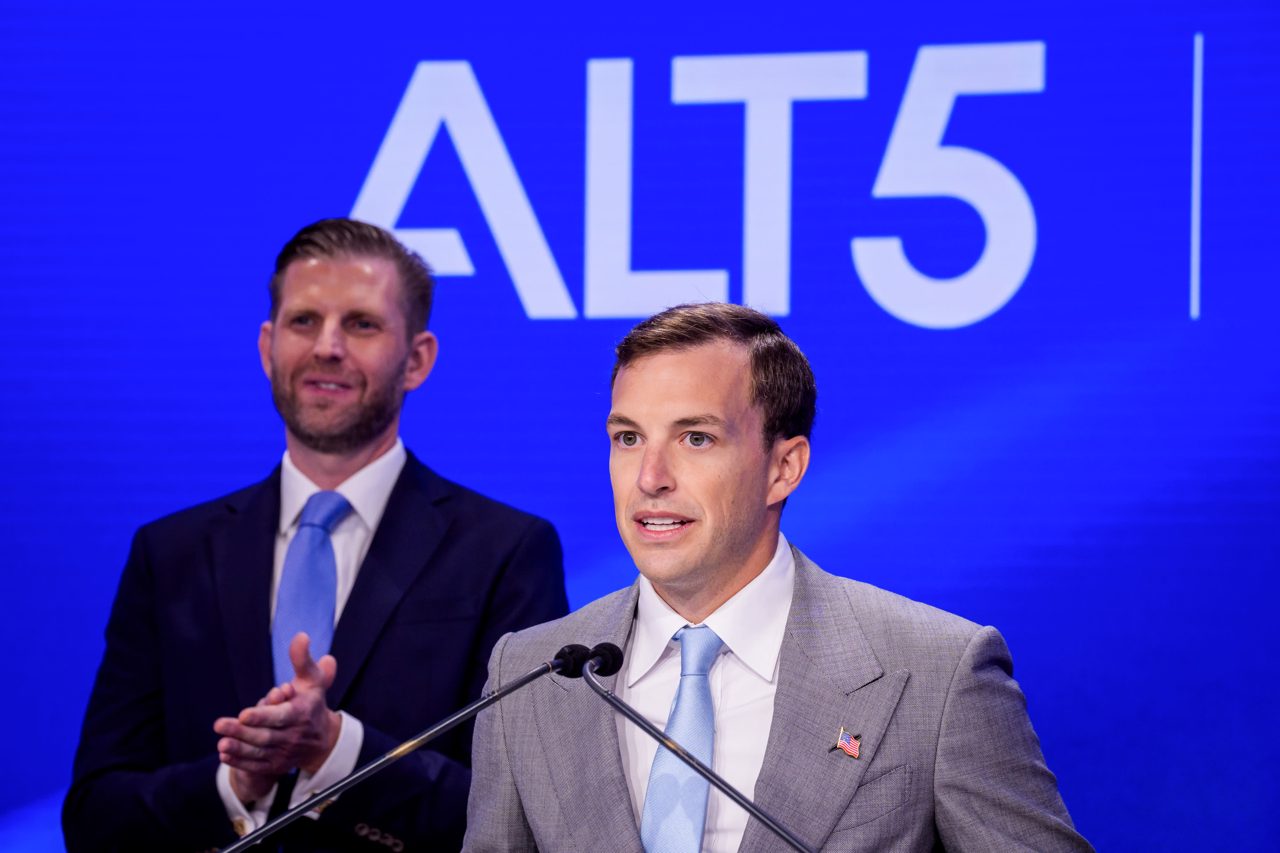
Zach Witkoff, chief executive of World Liberty Financial and chairman of the newly chartered trust company, said the firm embraces ongoing regulatory oversight. The son of the president's Middle East negotiator Steven Witkoff added: "We welcome continuous scrutiny from Federal regulators for many years to come."
Senator Elizabeth Warren criticized the decision, stating: "President Trump is now the first President in history to approve, operate, and supervise his own bank." The Massachusetts Democrat had previously urged the OCC to reject the application unless the president divested his interests.
Warren condemned the move, stating: "This is the most brazen act of self-dealing our financial system has ever seen, and Congress cannot allow it to stand." She and several colleagues plan to introduce legislation barring presidents and senior government officials from owning or controlling banks.
This political friction is already stalling the Clarity Act, a broader legislative package for the industry. Democratic holdouts argue the measure lacks adequate safeguards preventing a sitting president from monetizing digital assets.